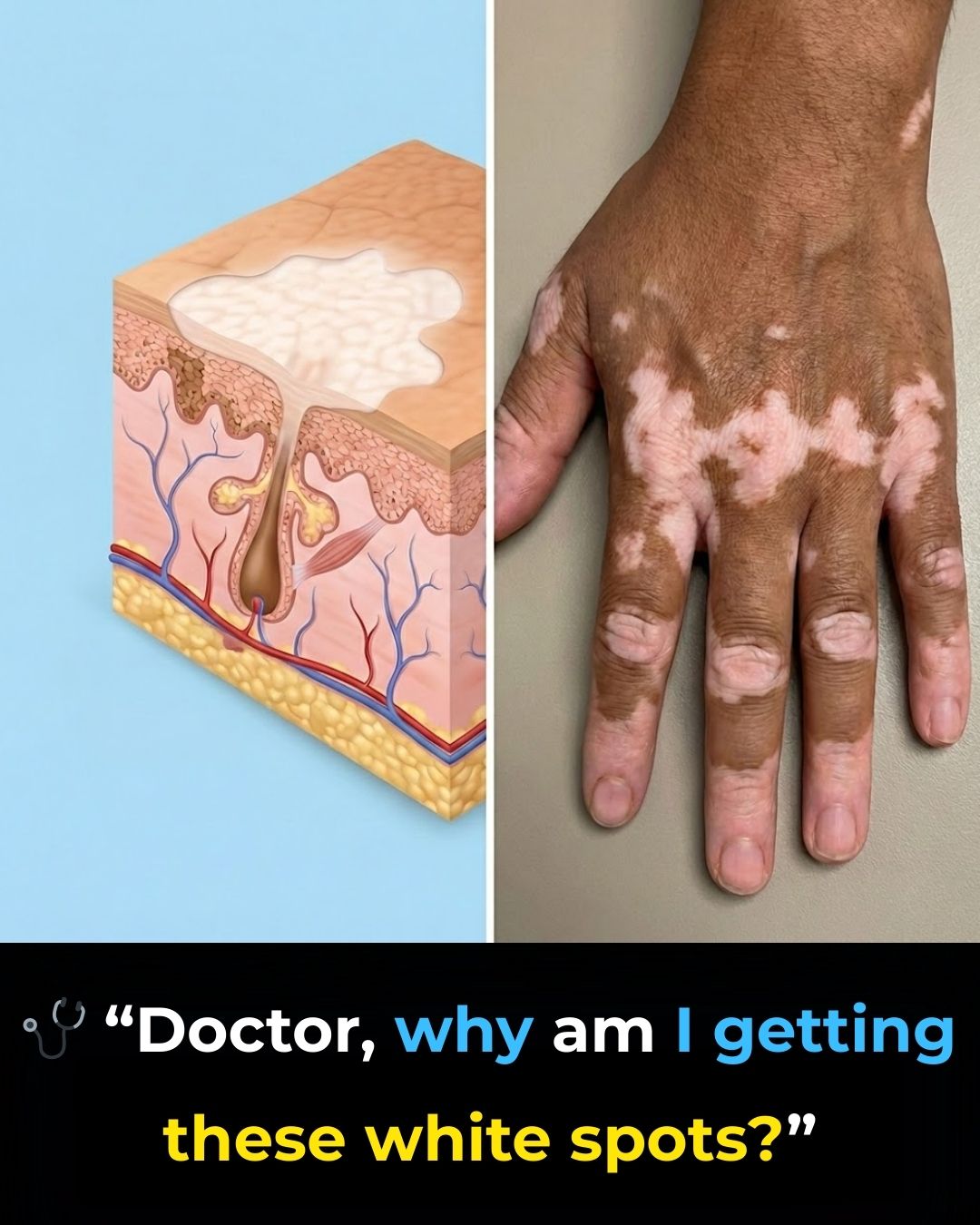
Causes, Diagnosis, and the Importance of Medical Evaluation
Introduction
Vitiligo is a chronic skin condition characterized by the loss of pigmentation, resulting in distinct white patches on the skin. Although not physically painful, it can have profound psychological and social impacts. Affecting 0.5–2% of the global population, vitiligo presents a challenge for both patients and clinicians due to its unpredictable progression and complex etiology. This article explores the causes, diagnostic procedures, and the critical importance of seeking medical evaluation.
Vitiligo is a disorder in which melanocytes, the cells responsible for producing melanin (the pigment that gives skin its color), are destroyed or cease functioning. The result is depigmented patches that can appear anywhere on the body. These patches are often symmetrical and may progress over time, but the pattern and rate of progression vary among individuals.
1.1 Types of Vitiligo
Vitiligo is classified into several types:
Non-segmental vitiligo (NSV):
The most common type, characterized by symmetrical depigmented patches, often on the hands, feet, and face. It is usually progressive.
Segmental vitiligo (SV):
Affects one side or segment of the body, often appearing early in life. It usually stabilizes after an initial period of progression.
Focal vitiligo:
Limited to one or a few areas, often without a clear pattern.
Universal vitiligo:
A rare form where depigmentation affects most of the body.
1.2 Prevalence and Demographics
2. Causes of Vitiligo
The exact cause of vitiligo is complex and multifactorial. Current research indicates a combination of genetic, autoimmune, and environmental factors.
2.1 Autoimmune Factors
Vitiligo is widely regarded as an autoimmune disorder. In individuals with vitiligo, the immune system mistakenly attacks melanocytes. This is supported by the frequent association of vitiligo with other autoimmune diseases, such as:
Thyroid disorders (Hashimoto’s thyroiditis, Graves’ disease)
Type 1 diabetes
Alopecia areata
Autoantibodies against melanocytes have been detected in patients, supporting the autoimmune hypothesis.
2.2 Genetic Factors
Genetic predisposition plays a significant role. Studies indicate that about 20–30% of vitiligo patients have a family history of the condition. Multiple genes are implicated, including those involved in immune regulation and melanocyte function. Some key genes include:
NLRP1 – involved in immune response
PTPN22 – associated with autoimmunity
TYR – related to melanocyte activity
2.3 Oxidative Stress
An imbalance between free radicals and antioxidants in the skin may damage melanocytes. Oxidative stress can be triggered by environmental factors such as:
Ultraviolet (UV) radiation
Chemical exposures
Physical skin trauma (Koebner phenomenon)
2.4 Neurogenic Factors
Some studies suggest that nerve-related chemicals may contribute to melanocyte destruction. Neurotransmitters or neuropeptides released in the skin could potentially damage melanocytes in genetically susceptible individuals.
2.5 Environmental Triggers
While genetics and autoimmunity are central, environmental triggers may initiate or exacerbate vitiligo. These include:
Skin injury or burns
Emotional stress
Exposure to certain chemicals (phenols and catechols)
3. Symptoms and Clinical Presentation
Vitiligo primarily presents as depigmented white patches on the skin. Other signs may include:
Premature whitening of hair: Hair on the scalp, eyebrows, eyelashes, or beard may turn white.
Loss of color in mucous membranes: Mouth and nose lining may appear lighter.
Changes in retina: Rarely, pigmentation changes may affect the eyes.
3.1 Patterns of Spread
Vitiligo often spreads gradually, and its progression is unpredictable:
Slow and gradual: Over several years
Rapid and extensive: Triggered by stress, illness, or skin injury
Localized: Limited to one area, sometimes stabilizing spontaneously
3.2 Psychological and Social Impact
Although vitiligo is not physically painful, it can cause significant emotional distress due to its visibility:
Anxiety and depression
Social withdrawal
Impact on professional or social opportunities
4. Diagnosing Vitiligo
Early and accurate diagnosis is essential to manage vitiligo effectively. Diagnosis is primarily clinical but may include laboratory tests.
4.1 Clinical Examination
Dermatologists typically examine the skin for:
Symmetrical white patches
Loss of pigmentation in hair or mucosa
Signs of other autoimmune diseases
Wood’s lamp examination (UV light) can highlight depigmented areas that may be less visible under normal light.
4.2 Laboratory Tests
While there is no definitive blood test for vitiligo, labs may help identify associated conditions:
Thyroid function tests
Blood glucose levels
Autoantibody panels
4.3 Skin Biopsy
Rarely, a biopsy may be performed to rule out other causes of hypopigmentation. Histology usually shows absence or reduced melanocytes.
5. Differential Diagnosis
Several conditions may mimic vitiligo, including:
Pityriasis alba: Mild, scaly patches in children
Tinea versicolor: Fungal infection causing light or dark patches
Post-inflammatory hypopigmentation: Following burns or eczema
Chemical leukoderma: Skin lightening from chemical exposure
Accurate differentiation requires careful clinical assessment.
6. Treatment Options
There is currently no cure for vitiligo, but treatments aim to restore pigmentation, halt progression, and improve psychological well-being.
6.1 Topical Therapies
Corticosteroids: Reduce inflammation and may stimulate repigmentation.
Calcineurin inhibitors: Tacrolimus or pimecrolimus, especially for sensitive areas.
6.2 Phototherapy
Narrowband UVB therapy: Stimulates melanocyte activity and repigmentation.
Excimer laser therapy: Targets small depigmented patches.
6.3 Surgical Options
Skin grafting: Transplanting pigmented skin to depigmented areas.
Cellular grafts: Cultured melanocytes are applied to affected areas.
6.4 Depigmentation Therapy
For extensive vitiligo, depigmentation of remaining pigmented skin can create a uniform appearance.
6.5 Psychological Support
Supportive care, counseling, and patient education are critical to help cope with the emotional impact.
Continue reading…
