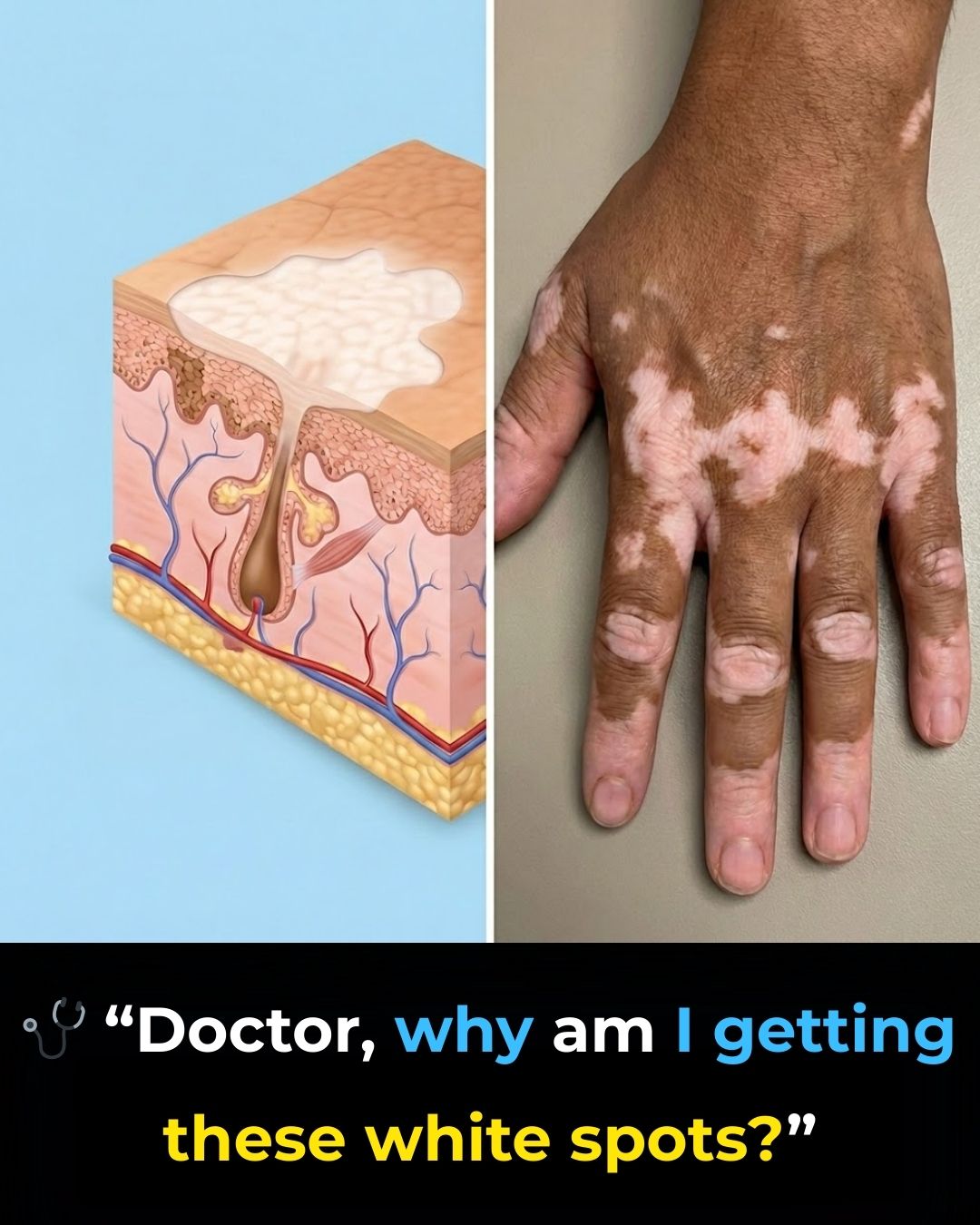
7. The Importance of Medical Evaluation
Medical evaluation is crucial for several reasons:
Assessment for associated autoimmune conditions: Thyroid disorders, diabetes, and anemia are common in vitiligo patients.
Customized treatment: Tailoring therapy based on type, location, and progression of vitiligo.
Psychological support: Clinicians can provide resources for coping with stigma and stress.
Self-diagnosis or unmonitored treatment can delay effective management and worsen outcomes. Professional guidance ensures safe and evidence-based care.
8. Lifestyle and Self-Care Considerations
While medical treatment is central, lifestyle adjustments can improve quality of life:
Sun protection: Depigmented skin is more prone to sunburn.
Camouflage: Cosmetic products to cover patches.
Stress management: Yoga, mindfulness, or therapy may reduce flare-ups.
9. Recent Advances and Research
Emerging research is improving our understanding and management of vitiligo:
JAK inhibitors: Target immune pathways to restore pigmentation.
Stem cell therapy: Investigational treatments for melanocyte regeneration.
Genetic studies: Identifying susceptibility genes to develop personalized therapies.
These advances hold promise but require further validation.
Vitiligo is a complex, multifactorial condition with significant physical, psychological, and social implications. Understanding its causes, recognizing early signs, and seeking professional medical evaluation are essential for effective management. Although treatments do not guarantee a cure, early intervention, combined with supportive care, can improve pigmentation outcomes and enhance quality of life. Raising awareness about vitiligo can reduce stigma and encourage timely medical consultation, ensuring patients receive comprehensive and compassionate care.
