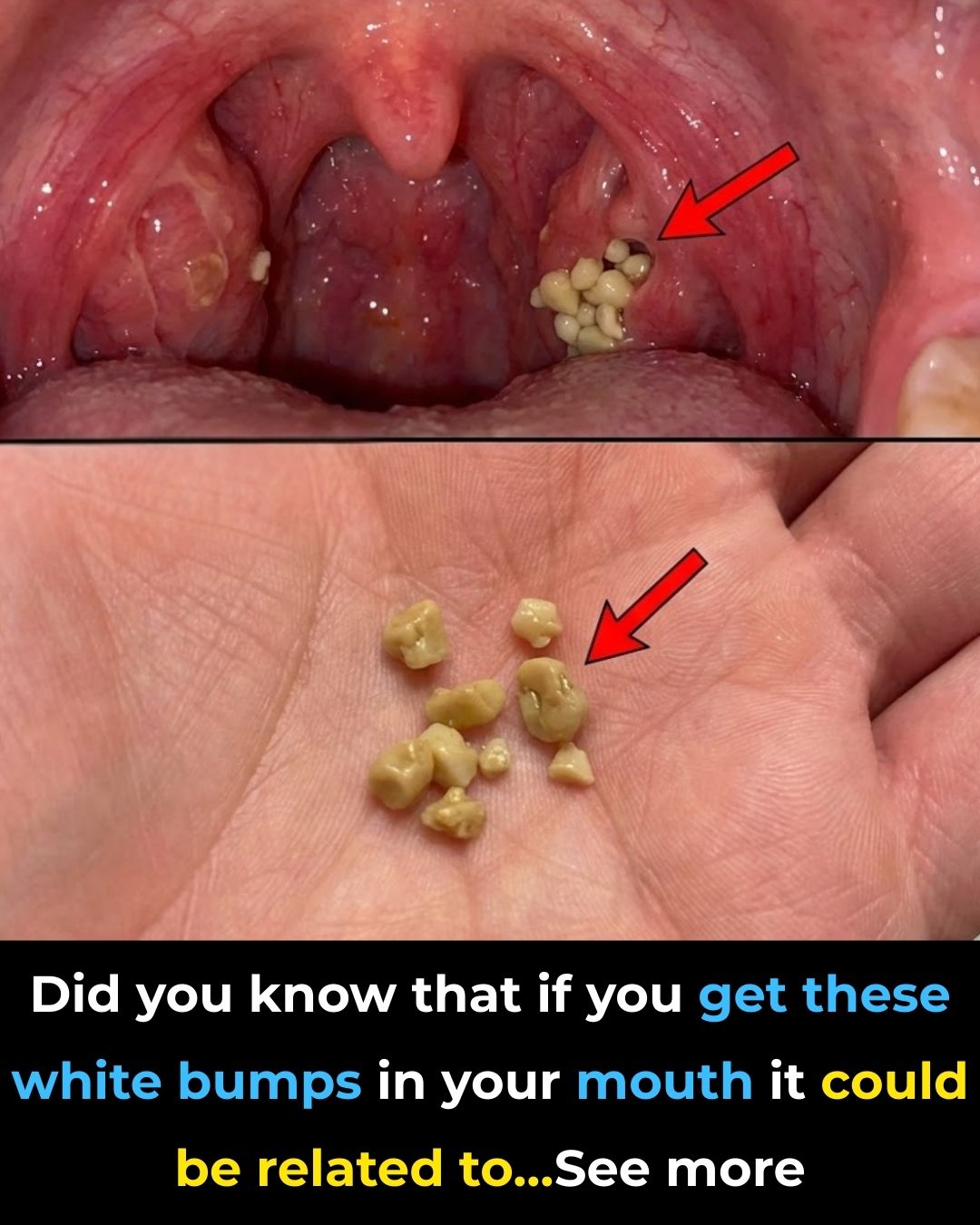
Discover What They Are, How They Appear, and How to Get Rid of Them Forever
Tonsil stones, also known as tonsilloliths, are a common yet often misunderstood condition that affects many people. These small, calcified formations can cause discomfort, bad breath, and even chronic throat irritation. While they are rarely dangerous, understanding what they are, why they form, and how to remove or prevent them is essential for maintaining oral and throat health. In this guide, we’ll explore everything you need to know about tonsil stones—from their causes and symptoms to long-term prevention strategies.
Tonsil stones are small, calcified deposits that form in the crevices of your tonsils. Your tonsils are lymphoid tissues located at the back of your throat that play a role in fighting infections. However, their structure includes small pockets or crypts where debris such as food particles, dead cells, and bacteria can accumulate. Over time, this debris can harden and form tonsil stones.
Tonsil stones vary in size and color:
Small stones may be nearly invisible.
Larger stones can be white or yellowish and sometimes visible at the back of your throat.
They may range in size from a few millimeters to over a centimeter in extreme cases.
While some people may develop only one or two stones, others may experience recurrent tonsil stones that affect their daily life.
What Causes Tonsil Stones?
Several factors contribute to the formation of tonsil stones:
Neglecting oral care allows bacteria, food debris, and dead cells to accumulate in the mouth and tonsil crypts. Brushing and flossing regularly can reduce this risk.
2. Chronic Tonsillitis
Repeated inflammation or infection of the tonsils can enlarge the crypts, creating more spaces for debris to lodge and calcify.
3. Large Tonsils
People with naturally larger tonsils are more prone to tonsil stones due to the increased number of crevices.
4. Post-Nasal Drip
Mucus from chronic sinus infections or allergies can contribute to debris buildup in the tonsils.
A diet high in dairy products or sugar can encourage bacterial growth, while smoking may worsen the formation of tonsil stones.
Signs and Symptoms of Tonsil Stones
Tonsil stones may not always cause noticeable symptoms. Many people have small stones and are unaware of them. However, when symptoms appear, they often include:
Bad Breath (Halitosis)
One of the most common signs is persistent bad breath caused by bacterial activity within the stones.
Throat Discomfort
Stones may cause a scratchy or sore throat, irritation, or the feeling of something stuck in your throat.
Difficulty Swallowing
Larger stones can make swallowing painful or uncomfortable.
Ear Pain
Tonsil stones can cause referred pain to the ears due to shared nerve pathways.
White or Yellow Deposits
Stones may sometimes be visible as small white or yellow lumps on the tonsils.
Chronic Cough
Some individuals experience a chronic cough caused by irritation from tonsil stones.
How Tonsil Stones Form: The Process
Understanding the formation of tonsil stones helps you prevent them:
Debris Accumulation: Food particles, mucus, and dead cells collect in tonsil crypts.
Bacterial Growth: Bacteria feed on this debris, creating a foul odor.
Calcification: Over time, calcium salts deposit on the debris, forming hard stones.
Stone Growth: Left untreated, stones may increase in size, causing discomfort and more noticeable symptoms.
Diagnosing Tonsil Stones
A diagnosis is usually straightforward:
Visual Inspection: Doctors can see visible stones using a flashlight or tongue depressor.
Imaging Tests: For deeper stones, X-rays or CT scans may be used.
Symptom Assessment: Persistent bad breath, sore throat, and throat irritation are strong indicators.
How to Get Rid of Tonsil Stones
The treatment depends on size, frequency, and severity. Some tonsil stones can be removed at home, while others may require medical intervention.
Home Remedies for Tonsil Stones
Gargling with Salt Water
Dissolves debris and reduces bacterial growth.
Mix ½ teaspoon of salt in a glass of warm water and gargle several times daily.
Manual Removal
Using a cotton swab or a soft-bristled toothbrush to gently dislodge stones.
Must be done carefully to avoid injury or infection.
Oral Irrigators
Low-pressure water flossers can flush out small stones from tonsil crypts.
Good Oral Hygiene
Brush teeth twice daily, floss, and use antiseptic mouthwash.
Clean your tongue to reduce bacteria that contribute to stone formation.
Hydration
Drinking plenty of water helps wash away debris and prevents dry mouth.
Medical Treatments
If home remedies fail, medical intervention may be necessary:
Laser Tonsil Cryptolysis
A minimally invasive laser procedure that reduces tonsil crypts to prevent stones.
Coblation Cryptolysis
Uses radiofrequency energy to remove tonsil crypts and stones.
Tonsillectomy
Surgical removal of the tonsils is considered in severe, recurrent cases.
Antibiotics
Prescribed in cases of infection but do not remove stones permanently.
Preventing Tonsil Stones Forever
Preventing tonsil stones is about eliminating the conditions that allow them to form. Strategies include:
Regular Oral Care
Brush, floss, and use antibacterial mouthwash.
Stay Hydrated
Reduces mucus accumulation and bacterial growth.
Gargle with Salt Water Regularly
Helps flush out small debris before stones form.
Continue reading…
