Avoid Smoking
Smoking irritates the throat and promotes bacterial growth.
Reduce dairy and sugary foods that encourage bacterial activity.
Manage Allergies and Sinus Issues
Prevent post-nasal drip from contributing to tonsil debris.
Regular Dental Checkups
Dentists can identify oral health issues that contribute to stone formation.
When to See a Doctor
Although tonsil stones are mostly harmless, you should consult a doctor if you experience:
Severe throat pain or swelling
Recurrent tonsil stones despite preventive measures
Signs of infection such as fever or pus
Prompt treatment ensures complications are avoided, and chronic stones are properly managed.
Myths About Tonsil Stones
Tonsil Stones Are Rare
False. Many people develop them at some point, but they often go unnoticed.
Tonsil Stones Cause Tonsillitis
False. While stones can worsen existing inflammation, they don’t directly cause tonsillitis.
Surgery Is Always Required
False. Most tonsil stones are manageable with home remedies and minor medical treatments.
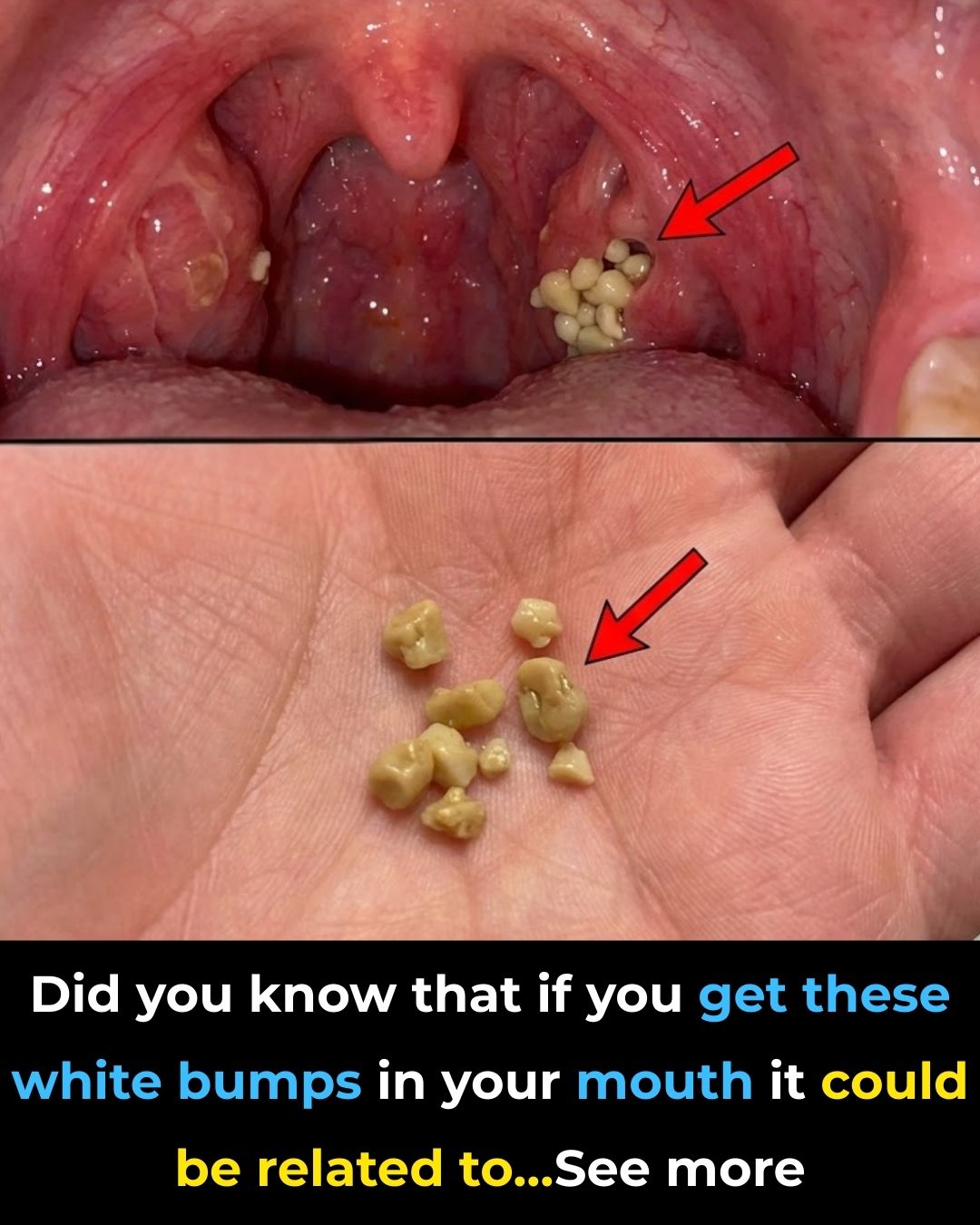
Tonsil stones can be annoying, sometimes painful, and definitely embarrassing if they cause bad breath. However, with proper oral hygiene, hydration, and timely treatment, most people can prevent their formation and even get rid of them permanently. For persistent or large stones, medical procedures offer safe and effective solutions. Understanding their causes and taking proactive steps is key to a healthy throat and fresh breath.
Remember: your tonsils are there to protect you. Treat them well, and they won’t betray you with stones!
