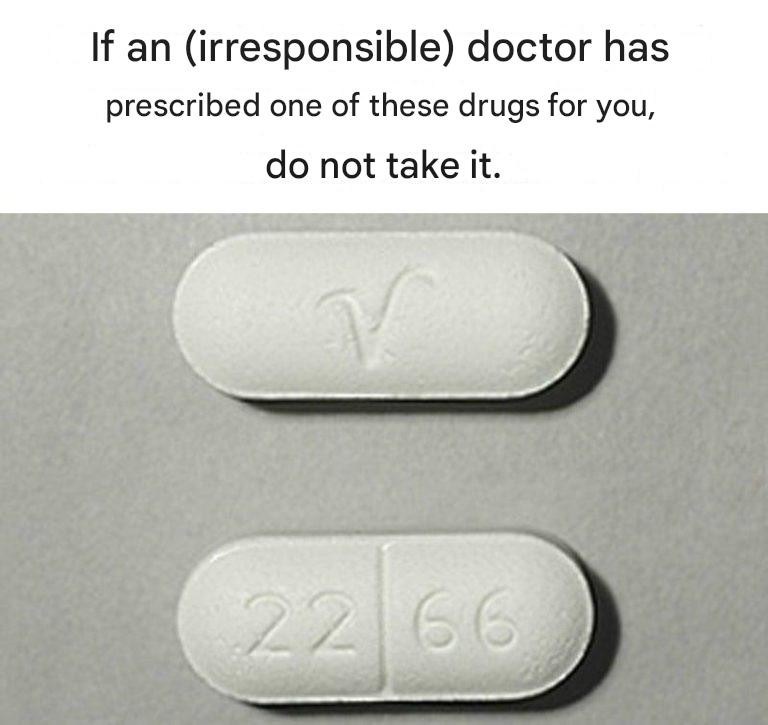
If a Doctor Ever Prescribed You One of These Medications, You Should Read This Immediately
Millions of people take prescription medications every single day. Some are lifesaving. Some dramatically improve quality of life. And many are absolutely necessary.
Some of the most commonly prescribed medications can carry serious long-term risks, withdrawal challenges, or side effects that only appear after months or years of use.
This doesn’t mean these drugs are “bad.”
It means they deserve respect, awareness, and informed consent.
If you have ever been prescribed any of the medications discussed below—or you’re currently taking one—this article is for you.
First, an Important Reminder
Before we begin:
Do not stop any medication suddenly
Do not change your dose without medical guidance
Do not panic
What you should do is understand:
Why the medication was prescribed
What the long-term risks may be
What questions to ask your doctor
What warning signs to watch for
Informed patients make better health decisions.
1. Benzodiazepines (Xanax, Ativan, Valium, Klonopin)
Why They’re Prescribed
Anxiety
Panic attacks
Insomnia
Muscle spasms
Seizure disorders
They work by enhancing the effect of GABA, a calming neurotransmitter in the brain.
What Many Patients Aren’t Told
Benzodiazepines can cause physical dependence—even when taken exactly as prescribed.
Key concerns include:
Tolerance (needing higher doses over time)
Cognitive impairment
Memory problems
Increased risk of falls (especially in older adults)
Emotional blunting
Withdrawal symptoms that can be severe
Withdrawal Can Be Serious
Stopping benzodiazepines abruptly can cause:
Severe anxiety
Insomnia
Heart palpitations
Tremors
Seizures (in some cases)
This is why slow, medically supervised tapering is critical.
What to Ask Your Doctor
Is this meant to be short-term or long-term?
What is the exit plan?
Are there non-drug alternatives?
2. Opioid Pain Medications (Oxycodone, Hydrocodone, Morphine)
Why They’re Prescribed
Opioids are used for:
Acute pain
Post-surgical pain
Cancer pain
Severe chronic pain (in limited cases)
They bind to opioid receptors to block pain signals.
The Hidden Risks
Opioids are effective—but highly addictive.
Risks include:
Physical dependence
Tolerance
Constipation and gut dysfunction
Hormonal suppression
Increased pain sensitivity over time
Risk of overdose
Even patients with no history of addiction can develop dependence.
Long-Term Use Changes the Brain
Extended opioid use can rewire pain pathways, sometimes making pain worse rather than better.
What to Ask Your Doctor
How long should I realistically be on this?
Are there non-opioid pain options?
What’s the tapering plan?
3. Antidepressants (SSRIs & SNRIs like Prozac, Zoloft, Lexapro, Effexor)
Why They’re Prescribed
These medications are used for:
Depression
Anxiety disorders
PTSD
OCD
Chronic pain
Menopause symptoms
They affect serotonin and/or norepinephrine levels in the brain.
What’s Often Overlooked
While many people benefit, some experience:
Emotional numbness
Sexual dysfunction
Weight changes
Sleep disturbances
Difficulty discontinuing
Discontinuation Syndrome Is Real
Stopping antidepressants suddenly can cause:
Brain zaps
Dizziness
Mood swings
Anxiety
Flu-like symptoms
This does not mean you’re “addicted,” but it does mean your brain has adapted.
Important Questions
What signs mean this medication is working?
How long before we reassess?
How would I safely stop if needed?
4. Proton Pump Inhibitors (PPIs) – Omeprazole, Nexium, Prevacid
Why They’re Prescribed
PPIs reduce stomach acid and are used for:
Acid reflux (GERD)
Ulcers
Gastritis
Esophagitis
The Long-Term Concerns
When used longer than necessary, PPIs have been associated with:
Nutrient deficiencies (magnesium, B12)
Increased fracture risk
Kidney issues
Gut microbiome changes
Rebound acid hypersecretion
Many people remain on PPIs for years without reevaluation.
Ask Yourself (and Your Doctor)
Is this still necessary?
Can I step down to a lower dose?
Are lifestyle changes an option?
5. Statins (Lipitor, Crestor, Zocor)
Why They’re Prescribed
Statins lower cholesterol and reduce cardiovascular risk.
They are among the most prescribed drugs in the world.
Potential Side Effects
Most people tolerate statins well, but some experience:
Muscle pain or weakness
Fatigue
Brain fog
Elevated blood sugar
Liver enzyme changes
Individual Risk Matters
Not everyone benefits equally from statins. Risk reduction depends on:
Age
Overall cardiovascular risk
Family history
Existing conditions
Important Questions
What is my actual risk reduction?
Are lifestyle interventions part of my plan?
What symptoms should I report?
6. Corticosteroids (Prednisone, Dexamethasone)
Why They’re Prescribed
Steroids are powerful anti-inflammatory drugs used for:
Autoimmune diseases
Asthma
Allergic reactions
Inflammatory conditions
Why They’re Dangerous Long-Term
Long-term steroid use can lead to:
Weakened immune system
Osteoporosis
Weight gain
Mood changes
Blood sugar spikes
Adrenal suppression
Stopping suddenly can be dangerous because your body reduces its own cortisol production.
Critical Questions
Is this short-term or chronic?
What is the lowest effective dose?
How will we taper?
7. Hormonal Birth Control
Why It’s Prescribed
Used for:
Pregnancy prevention
Cycle regulation
Acne
Endometriosis
PCOS symptoms
What Many Aren’t Told
Possible effects include:
Blood clot risk (especially in smokers)
Mood changes
Libido changes
Nutrient depletion
Masking underlying hormone issues
Hormonal birth control doesn’t “fix” hormonal imbalances—it often suppresses symptoms.
Important Considerations
Is this addressing the root cause?
Are there non-hormonal options?
How does my personal risk profile look?
Continue reading…
