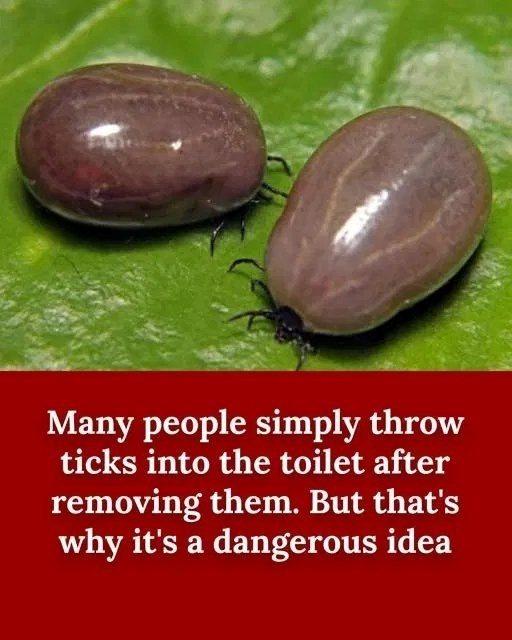
The Right Way to Dispose of Ticks After Removal
Ticks are small, but the health risks they carry are anything but. From Lyme disease and Rocky Mountain spotted fever to ehrlichiosis and babesiosis, ticks are known vectors of serious illnesses affecting humans and animals alike. While most people know the importance of removing a tick promptly, far fewer understand what to do after the tick has been removed.
This comprehensive guide explains the right way to dispose of ticks after removal, why proper disposal matters, and what mistakes to avoid. Whether you’ve removed a tick from yourself, a child, or a pet, this article will walk you through every step with clarity and confidence.
Why Proper Tick Disposal Matters
Ticks are not like mosquitoes or flies. Crushing or tossing them aside does not guarantee they are dead. In fact, ticks are remarkably resilient creatures.
Key Reasons Proper Disposal Is Important
Ticks Can Survive Extreme Conditions
Ticks can live without feeding for months and can survive flushing, cold temperatures, and mild crushing.
They Can Reattach
A live tick thrown into the trash or sink can crawl back out and attach to another host.
Disease Risk Remains
Some pathogens can still be transmitted if a tick comes into contact with broken skin or mucous membranes.
Identification May Be Necessary
In case of illness, doctors may want to identify the tick species.
Proper disposal is not just about hygiene—it is a critical step in disease prevention.
What to Do Immediately After Removing a Tick
Before discussing disposal methods, it’s important to cover what should happen immediately after removal.
Step 1: Confirm the Tick Is Fully Removed
Inspect the bite area carefully. Make sure:
The tick’s head and mouthparts are not embedded
The skin is intact
If mouthparts remain, clean the area and monitor for infection.
Step 2: Clean the Bite Area
Use:
Soap and warm water, or
Rubbing alcohol or iodine
Wash your hands thoroughly after handling the tick.
Step 3: Secure the Tick
Do not leave the tick loose on a tissue, counter, or sink. Secure it immediately using one of the methods described below.
The Best and Safest Ways to Dispose of Ticks
1. Submerging the Tick in Alcohol (Recommended)
This is one of the safest and most reliable methods.
How to do it:
Place the tick in a small container
Fill with rubbing alcohol or isopropyl alcohol
Seal the container tightly
Why it works:
Alcohol kills ticks quickly
Prevents escape
Preserves the tick for identification if needed
Best for:
Situations where medical follow-up may be needed
Families with children or pets
Areas with high Lyme disease prevalence
You can discard the sealed container after several days or keep it temporarily if symptoms develop.
2. Sealing the Tick in Tape
This is a practical option when alcohol is not available.
How to do it:
Place the tick in the center of a piece of clear tape
Fold the tape over completely, sealing all edges
Dispose of the tape in the trash
Important tips:
Make sure the tick cannot crawl out
Use strong adhesive tape (packing tape or duct tape works well)
Limitations:
Does not preserve the tick
Less secure than alcohol
3. Placing the Tick in a Sealed Plastic Bag or Container
Another effective method when combined with killing the tick first.
Steps:
Place the tick in a zip-top bag or pill bottle
Add alcohol if available
Seal tightly
Dispose in outdoor trash
Why this works:
Prevents escape
Easy to label with date and location
This method is often used by veterinarians and hikers.
4. Flushing the Tick Down the Toilet (With Caution)
This method is commonly suggested, but it has drawbacks.
Pros:
Immediate removal from living space
Convenient
Cons:
Ticks may survive flushing
Not environmentally ideal
Not suitable for septic systems
If you flush a tick, ensure it is already dead (for example, submerged in alcohol first).
Methods You Should NEVER Use
Some commonly suggested methods are ineffective or dangerous.
Crushing the Tick With Fingers
❌ Do not do this
Risk of exposing yourself to infected fluids
Tick contents may enter broken skin
Often does not kill the tick completely
Burning the Tick
❌ Strongly discouraged
Fire hazard
Releases potentially infectious material
Dangerous indoors
Throwing the Tick in the Trash Loose
❌ Unsafe
Ticks can crawl out
Can reattach to humans or pets
Survive for extended periods
Using Chemicals or Household Cleaners
❌ Unreliable
Many cleaners do not kill ticks instantly
Inhalation risk
Environmental concerns
Should You Save the Tick?
In some cases, yes.
When Saving the Tick Is Recommended
The tick was attached for 36 hours or longer
You live in a high-risk tick-borne disease area
The bite is on a child, elderly person, or immunocompromised individual
Symptoms develop after the bite
How to Store a Tick Properly
Place in alcohol
Label with:
Date of removal
Location on the body
Geographic location of exposure
This information can be valuable to healthcare providers.
Disposing of Ticks Removed From Pets
Ticks found on dogs and cats pose similar risks and require the same level of care.
Special Considerations for Pets
Pets may bring ticks indoors
Some tick diseases affect animals before humans
Pets may ingest ticks if not disposed of properly
Best Disposal Methods for Pet Ticks
Alcohol submersion
Sealed container disposal
Tape sealing (temporary)
Always wash your hands after handling ticks from animals.
Environmental Considerations
Proper tick disposal also has environmental implications.
Avoid releasing live ticks into nature
Do not flush into septic systems when possible
Use minimal chemicals
Responsible disposal protects not just your household, but the wider ecosystem.
Common Myths About Tick Disposal
Myth 1: “Ticks die instantly once removed”
False. Many ticks survive hours or days after removal.
Myth 2: “Flushing always kills ticks”
False. Some ticks survive underwater.
Myth 3: “If the tick is dead, it’s harmless”
False. Improper handling can still expose you to pathogens
Continue reading…
