.
What to Do After Tick Disposal
Monitor the Bite Site
Watch for:
Redness expanding over time
Rash (especially bull’s-eye shape)
Swelling or warmth
Pus or infection
Monitor Your Health
Symptoms may appear days or weeks later:
Fatigue
Headache
Joint or muscle pain
Seek medical attention if symptoms occur.
Preventing Future Tick Encounters
Proper disposal is important, but prevention is even better.
Personal Protection Tips
Use EPA-approved tick repellents
Shower after outdoor activities
Perform full-body tick checks
Home and Yard Protection
Keep grass trimmed
Remove leaf litter
Create gravel barriers
Treat pets with veterinarian-approved preventatives
Frequently Asked Questions About Tick Disposal
Q: Can I use hand sanitizer to kill a tick?
A: Hand sanitizer may work if alcohol-based, but it is less reliable than rubbing alcohol.
Q: Is freezing a tick effective?
A: Freezing may eventually kill ticks, but it is slow and unreliable.
Q: Should I test every tick for disease?
A: Not always necessary. Consult a healthcare provider for guidance.
Final Thoughts: Dispose of Ticks the Right Way Every Time
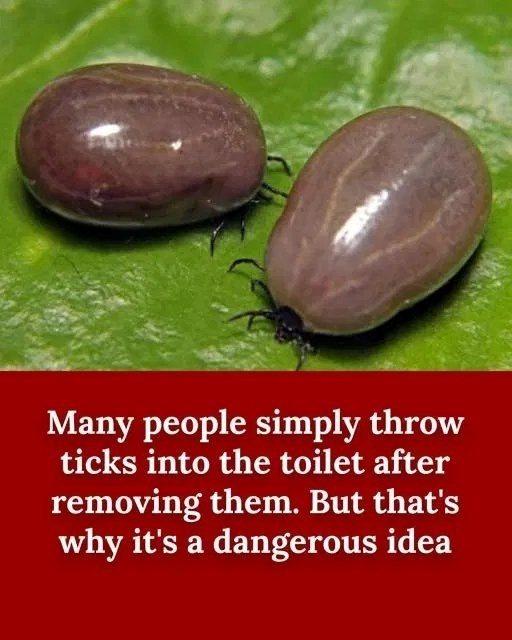
Ticks are small, but the consequences of improper handling can be serious. Removing a tick safely is only half the job—the way you dispose of it matters just as much. By using proven methods such as alcohol submersion, sealed containment, or secure tape disposal, you significantly reduce the risk of reinfestation and disease exposure.
Developing the habit of proper tick disposal protects you, your family, your pets, and your community. The next time you encounter a tick, you’ll know exactly what to do—calmly, safely, and effectively.
