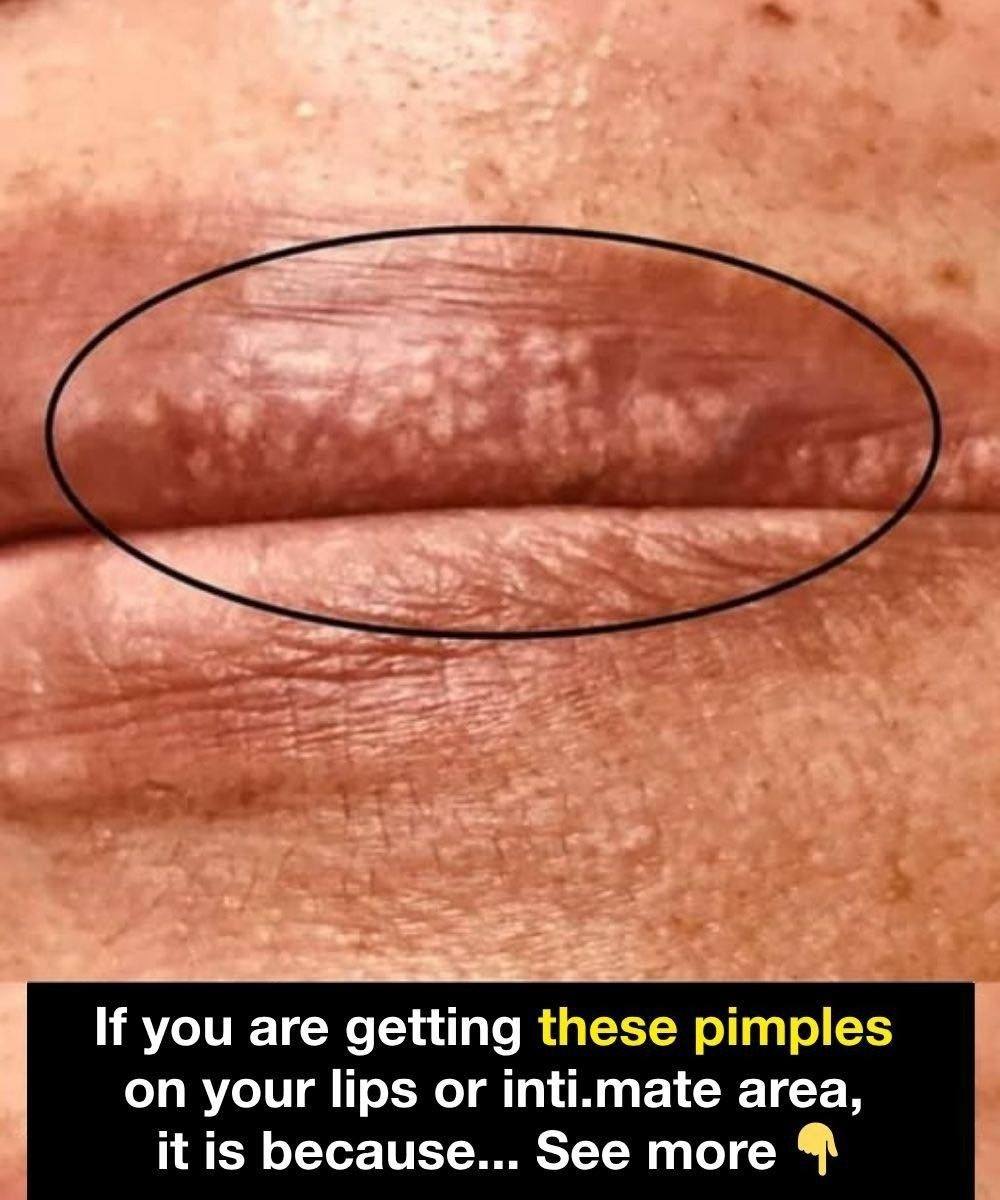
When You Should See a Dermatologist for White Pimples
White pimples—commonly referred to as whiteheads—are one of the most common skin concerns. They can appear on the face, back, chest, or other areas and, while often harmless, they can sometimes indicate underlying skin issues that require professional attention. Understanding when to self-manage and when to see a dermatologist is essential for maintaining healthy skin and preventing complications.
White pimples are a form of acne that develops when pores become clogged with oil, dead skin cells, and bacteria. Unlike blackheads, which are open and oxidize to a dark color, white pimples remain closed under the skin. They typically appear as small, raised bumps and can be accompanied by redness or irritation.
Common causes include:
Excess sebum production: Overactive oil glands can clog pores.
Hormonal changes: Fluctuations in hormones, especially during puberty, menstruation, pregnancy, or stress, can trigger breakouts.
Poor skincare habits: Using heavy creams, not cleansing properly, or over-exfoliating can worsen acne.
Diet and lifestyle factors: High-glycemic foods, dairy, stress, and lack of sleep may contribute to flare-ups.
Most white pimples are mild and can be treated with over-the-counter solutions, but certain signs indicate that it’s time to see a dermatologist.
When White Pimples Are Usually Harmless
Home care tips include:
Gentle cleansing: Use a mild cleanser twice daily. Avoid harsh scrubbing.
Topical treatments: Products containing benzoyl peroxide or salicylic acid can reduce whiteheads.
Non-comedogenic skincare: Choose oil-free moisturizers and makeup products.
Healthy lifestyle: Balanced diet, regular exercise, stress management, and adequate sleep support skin health.
If pimples persist despite proper care, worsen, or cause discomfort, it may be time to consult a dermatologist.
Signs You Should See a Dermatologist
1. Persistent or Worsening Acne
If white pimples continue to appear despite consistent home care for several weeks, it may indicate that over-the-counter treatments aren’t sufficient. Persistent acne can sometimes reflect hormonal imbalances, stress, or underlying skin conditions that require prescription medication.
2. Severe or Painful Pimples
White pimples that are large, painful, or filled with pus may be more than simple whiteheads. These can develop into cystic acne, which is deeper and more likely to cause scarring. Dermatologists can prescribe antibiotics, retinoids, or other treatments to prevent permanent damage.
3. Spread Beyond the Face
While acne often starts on the face, it can also affect the back, chest, and shoulders. Widespread white pimples may require stronger medications or targeted therapies that a dermatologist can provide.
4. Scarring or Hyperpigmentation
If you notice dark spots, pitted scars, or other changes in skin texture after pimples heal, professional treatment is necessary. Dermatologists can provide interventions like chemical peels, laser therapy, or prescription creams to reduce scarring and prevent future outbreaks.
5. Sudden Onset of Severe Acne
Rapidly developing acne, especially in adulthood, may be a sign of hormonal imbalance, medication side effects, or other medical issues. A dermatologist can help identify the root cause and tailor an effective treatment plan.
6. Pimple Clusters or Nodules
Clusters of pimples or nodules under the skin are more concerning than isolated whiteheads. Nodular acne is deep, inflamed, and prone to scarring. Early professional intervention is crucial.
7. Pimples That Don’t Respond to OTC Treatments
If you’ve tried standard acne treatments (like benzoyl peroxide, salicylic acid, or retinoids) without improvement, a dermatologist can prescribe stronger topical or oral medications.
8. Signs of Infection
White pimples can sometimes become infected, causing redness, warmth, swelling, and pus. Severe infections may require oral antibiotics or other medical treatment.
9. Emotional or Psychological Impact
Acne, even mild, can affect self-esteem, mental health, and social life. If white pimples are causing anxiety, depression, or social withdrawal, consulting a dermatologist can help improve both skin health and emotional well-being.
Common Dermatologist Treatments for White Pimples
Dermatologists offer a range of treatment options depending on acne severity, skin type, and underlying causes:
1. Topical Treatments
Prescription retinoids: Help unclog pores and prevent new pimples.
Topical antibiotics: Reduce bacterial growth and inflammation.
Combination creams: Often combine benzoyl peroxide with antibiotics for more effective treatment.
2. Oral Medications
Antibiotics: Reduce bacterial growth and inflammation for moderate to severe acne.
Hormonal therapy: Birth control pills or anti-androgen medications may help women with hormonal acne.
Isotretinoin: A powerful treatment for severe, cystic, or scarring acne, used under strict medical supervision.
3. In-office Procedures
Extraction: Safe removal of whiteheads and blackheads to prevent scarring.
Chemical peels: Help exfoliate skin and reduce clogged pores.
Laser and light therapy: Target bacteria and reduce inflammation, also improving skin texture.
Corticosteroid injections: Reduce inflammation in large, painful nodules quickly.
4. Personalized Skincare Plans
Dermatologists can recommend cleansers, moisturizers, and treatments suited to your skin type, ensuring that daily routines support professional treatment rather than interfere with it.
Preventing Future White Pimples
While some factors like genetics or hormones can’t be changed, preventive strategies can reduce the frequency and severity of white pimples:
Wash your face twice daily with a gentle cleanser.
Avoid picking or squeezing pimples.
Use non-comedogenic skincare and makeup products.
Maintain a healthy diet and lifestyle.
Manage stress through mindfulness, exercise, or therapy.
Follow dermatologists’ instructions carefully for medications and treatments.
Continue reading…
