Elevating legs
Compression stockings
Sclerotherapy: Injection to close off problematic veins
Laser therapy: Using light to remove or close veins
Surgery: For severe varicose veins or chronic venous insufficiency
3. Medication
In cases of clotting disorders or inflammation, doctors may prescribe anticoagulants or anti-inflammatory medications.
Red Flags: When to Seek Immediate Medical Attention
You should see a doctor immediately if you notice:
Sudden, painful swelling in one leg (possible DVT)
Veins appearing with abdominal swelling or jaundice (possible liver issue)
Rapidly spreading varicose veins with pain or skin ulcers
Early detection and treatment can prevent complications.
Preventing Vein Problems
Although genetics and age play a role, lifestyle measures can reduce the risk of vein problems:
Stay active and avoid prolonged sitting or standing
Maintain a healthy weight
Wear supportive footwear and compression stockings if needed
Conclusion
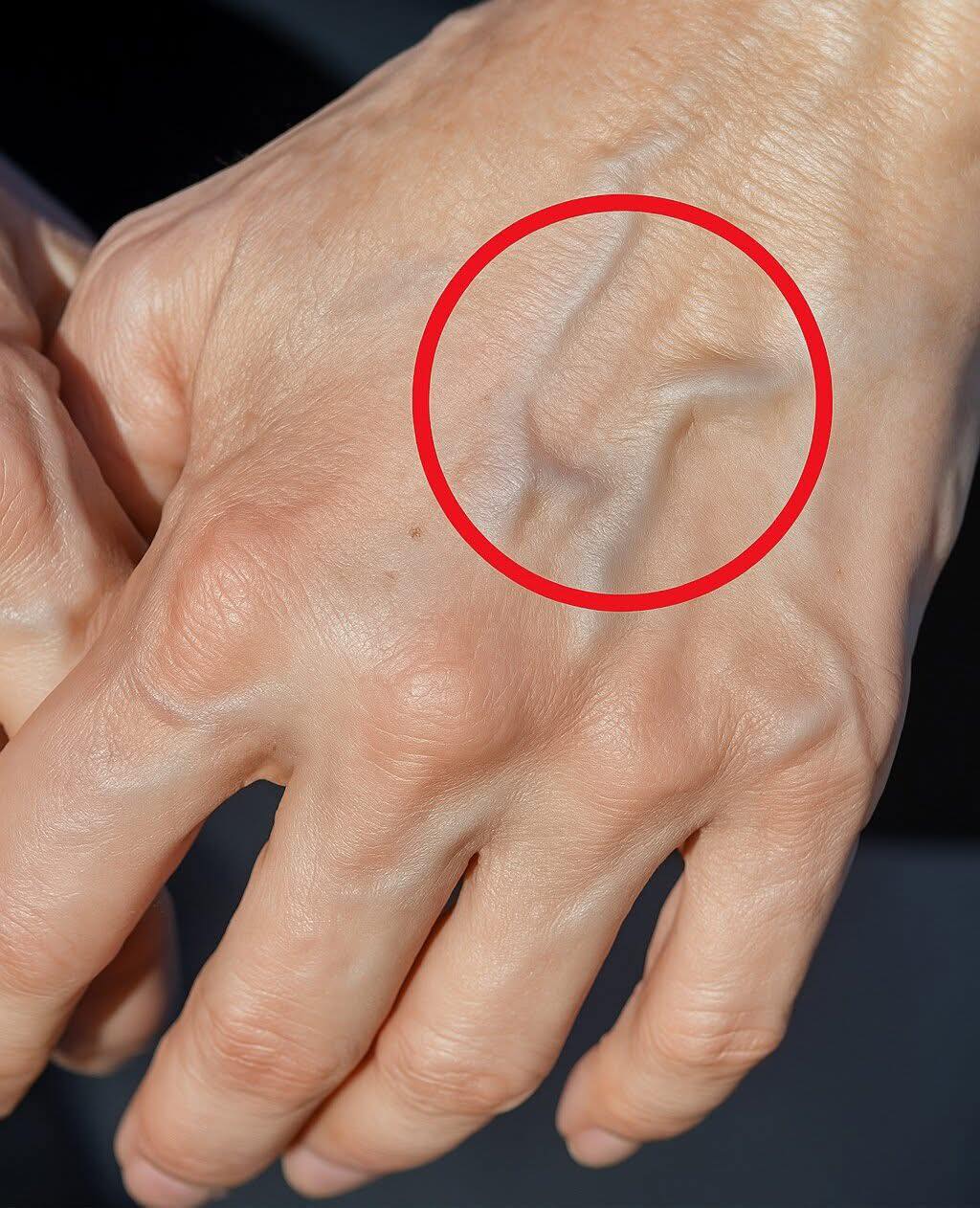
Veins that suddenly appear or become more prominent are not always a cause for concern. Often, they are related to exercise, weight changes, aging, or genetics. However, sudden changes accompanied by pain, swelling, redness, or other systemic symptoms could indicate serious conditions such as blood clots, varicose veins, or liver problems.
Pay attention to your body’s signals, make healthy lifestyle choices, and consult a healthcare provider when in doubt. Early evaluation and treatment can prevent complications and keep your circulatory system healthy.
Understanding your veins helps you differentiate between harmless changes and warning signs that require medical attention. Remember, while visible veins can be alarming, knowledge and proactive care are your best defenses.
