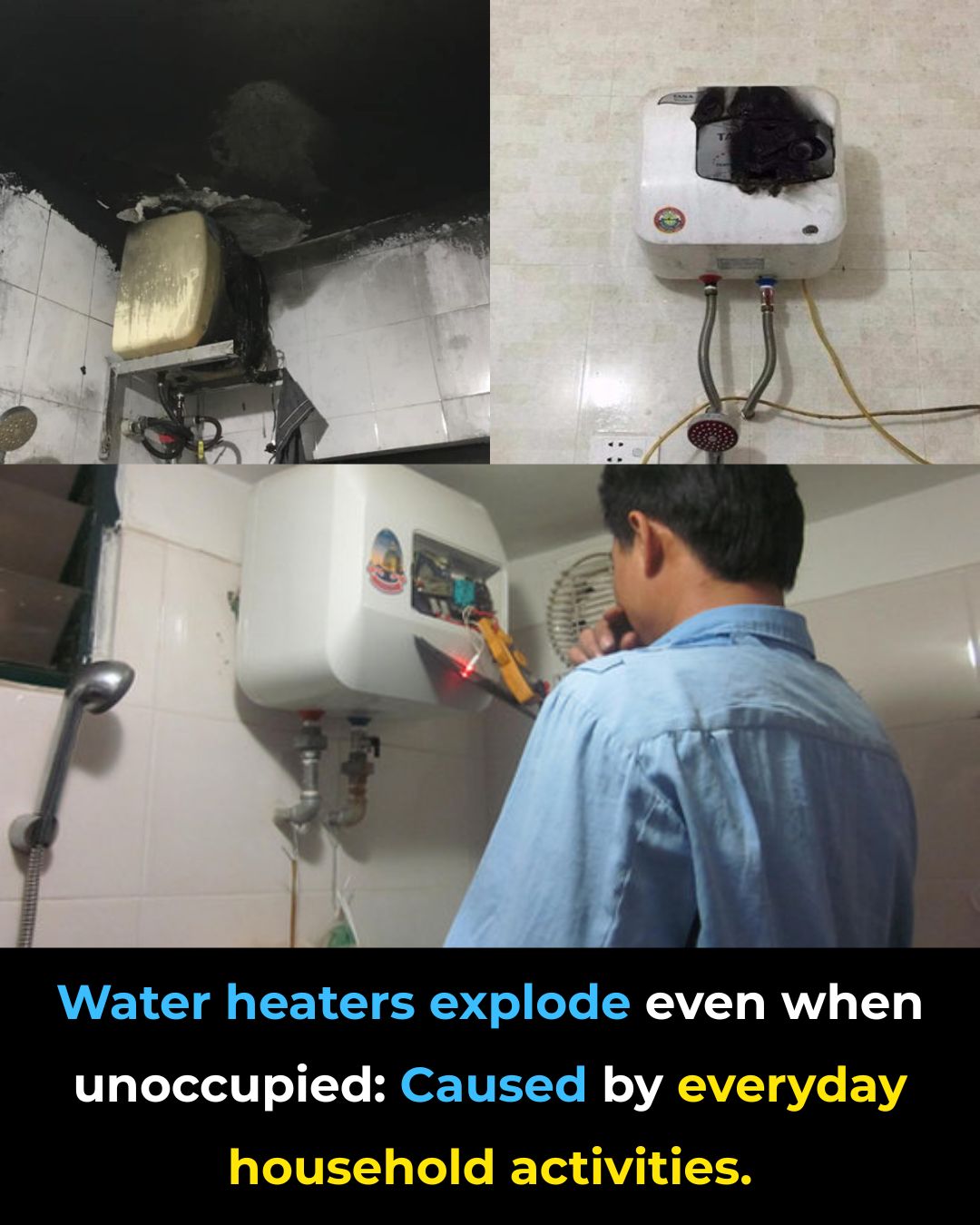
4. Real-World Warning Signs You Shouldn’t Ignore
Even if a heater isn’t being used, certain signs indicate imminent danger:
⚠ Leaking or Faulty T&P Valve
⚠ Brown or Rusty Water
Rust indicates internal corrosion that can weaken the tank and compromise safety.
⚠ Popping, Knock, or Rumbling Noises
Sediment buildup can produce these sounds, a precursor to overheating and pressure spikes.
⚠ Smell of Gas
A gas leak is an immediate fire and explosion hazard in gas-powered heaters.
⚠ Temperature Fluctuations
Irregular heating could hint at thermostat or pressure valve malfunctions.
5. Why Often “No One Uses It” Still Doesn’t Make It Safe
Water heaters are always under pressure, whether hot water is flowing or not. The tank constantly holds heated water, and heat is maintained even when no taps are open.
Here are ways an idle heater becomes a ticking bomb:
Thermostat Continues to Heat
Even if you don’t open the hot water tap, if the thermostat calls for heat (because tank temperature dropped), the heating element will kick in and potentially raise pressure.
This means potential danger without any user interaction.
No Usage ≠ No Pressure Buildup
Most people think “no usage = no pressure,” but that’s simply incorrect. Pressurization is driven by internal temperature, not by whether the faucet is open.
6. Prevention Strategies: Safely Managing Your Water Heater
While the risk sounds frightening, most water heater explosions are preventable with proper awareness and maintenance.
🛠 Annual or Semi-Annual Professional Inspection
A licensed plumber can:
-
Test the T&P valve
-
Inspect the thermostat and heating elements
-
Flush out sediment
-
Check for corrosion
This should be part of routine home maintenance.
🔥 Set the Thermostat to Safe Temperatures
Keeping the temperature at 120–125°F (~49–52°C) is a balance between comfort, efficiency, and safety. Higher temperatures significantly increase pressure inside the tank.
🔄 Flush Sediment Regularly
Flushing the tank annually removes minerals that trap heat and lead to pressure buildup.
This is a simple task that dramatically reduces risk and extends heater life.
🔧 Check and Replace the Anode Rod
The anode rod attracts corrosive elements in water, preserving the tank’s interior. A spent rod means corrosion begins inside the tank — a precursor to structural failure.
🚨 Install a Pressure Expansion Tank
An expansion tank gives expanding water a place to go, reducing stress on the hot water tank itself.
🔥 Keep Gas Lines and Ventilation Safe
For gas heaters, make sure gas connections are tight, properly sealed, and that there’s adequate ventilation to avoid accumulation of flammable gas.
7. What to Do If You Suspect a Problem
If you notice any of the following, take immediate action:
✔ Hissing from the pressure valve
✔ Strong gas smell
✔ Constant leaks
✔ Loud popping or rumbling
✔ Terrible odors from hot water
Steps to take:
-
Turn off the power (electric breaker or gas supply).
-
Shut off cold water supply to the heater.
-
Evacuate the area if you smell gas.
-
Call a licensed plumber immediately.
This isn’t something to delay. A few minutes of action can prevent a dangerous explosion.
8. Why Households Overlook This Risk
Despite the danger, many households don’t think about water heater safety because:
-
The unit is out of sight and out of mind.
-
People assume danger only occurs when someone is showering.
-
Maintenance feels expensive or inconvenient.
-
There’s a lack of awareness about internal components.
But safety and peace of mind are worth a small investment of time and attention.
9. Conclusion: A Quiet Risk Worth Taking Seriously
Water heaters are vital, silent workhorses in every home. But they can also become dangerous pressure vessels when safety mechanisms fail, internal pressure builds up unchecked, or maintenance is neglected.
Understanding that explosions can occur even when no one is using hot water — and that simple daily habits like adjusting thermostat settings or ignoring maintenance can increase that risk — is key to preventing disasters.
Awareness and proper care aren’t optional — they’re essential.
Take the time to inspect, maintain, and respect your water heater. Because when it comes to avoiding silent, invisible risks, knowledge truly is power.
