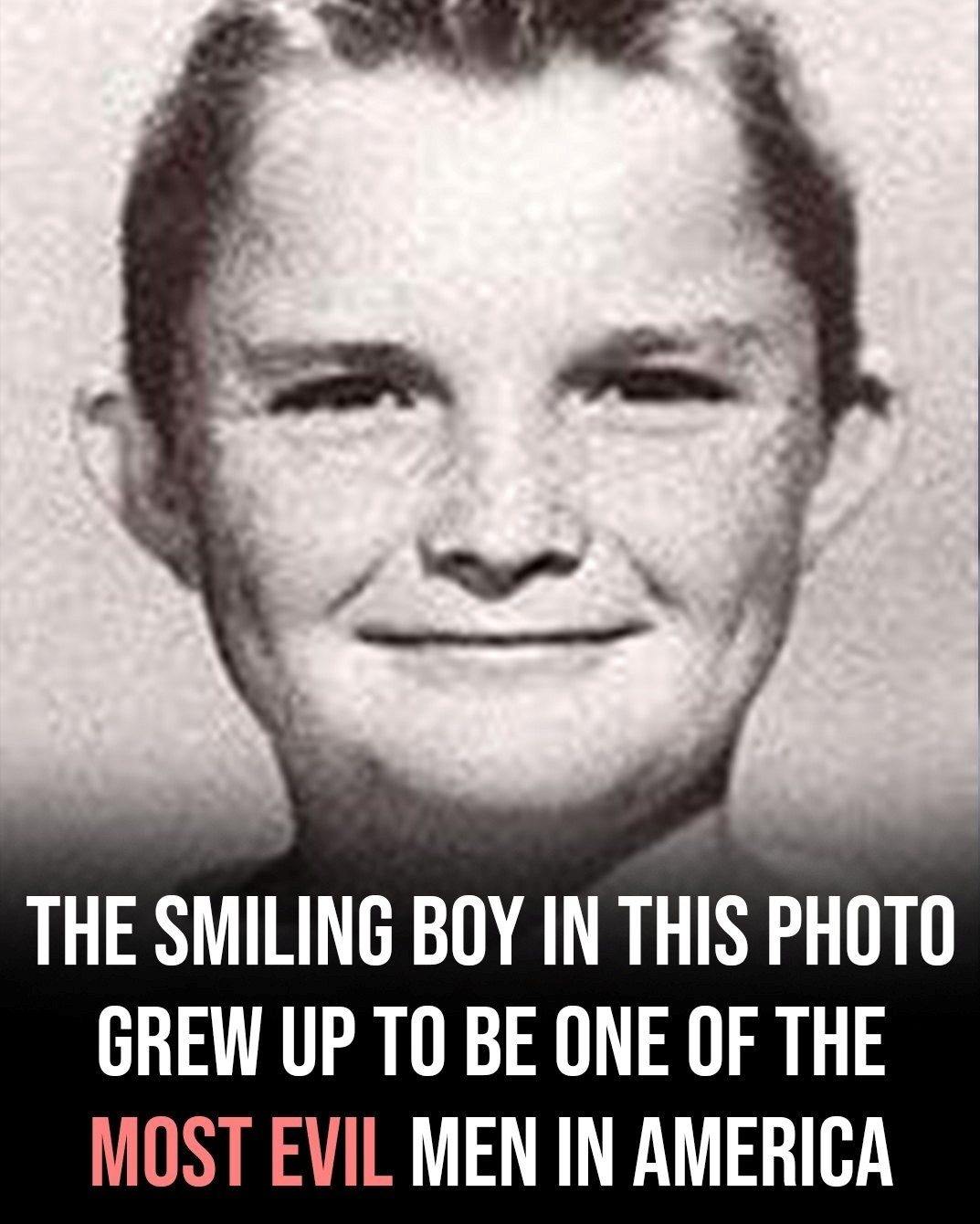
And understanding meant control.
3. Watching, Not Participating
He watched.
He noticed who cheated during games and who got away with it. He noticed which teachers humiliated students and which protected favorites. He noticed cruelty disguised as humor, bullying excused as “kids being kids.”
When a classmate stole lunch money from smaller kids, everyone laughed it off.
When a shy girl finally snapped and yelled back, she was sent to the principal.
The math never added up.
So he started keeping track.
Not on paper anymore. In his head.
A running tally of wrongs and who committed them.
4. The First Fracture
The summer he turned twelve, the family dog died.
The dog had been old, sick, and gentle. His only true friend in the house. The one creature that loved him without conditions or scorekeeping.
When his father took the dog to be “put down,” he didn’t come back for hours.
Later, the boy overheard the truth.
The dog hadn’t been sick enough. The vet had suggested waiting. His father had insisted.
“He was becoming inconvenient,” his father said.
Inconvenient.
That night, for the first time, the scorecard gained a new column.
Irredeemable.
5. Learning the World’s Math
Teenage years sharpened him.
He learned how power actually worked—not through rules, but through fear, charisma, and silence. He watched predators thrive in plain sight. Teachers who crossed lines. Coaches who humiliated kids “to toughen them up.”
No one did anything.
The world wasn’t broken, he realized.
It was functioning exactly as designed.
So he adapted again.
He learned how to blend in. How to laugh at the right jokes. How to seem harmless. He learned how to make people comfortable enough to be careless.
And all the while, the scorecard grew.
6. The Philosophy of Balance
In college, he studied statistics.
Not because he loved math—but because it explained people.
Outliers. Patterns. Deviations. Correction.
He wrote essays about moral accountability disguised as academic theory. Professors praised his insight without realizing how literal his thinking had become.
He wasn’t angry.
That’s what people never understood.
He was methodical.
To him, violence wasn’t emotional. It was corrective.
The world kept letting certain people tip the scales.
Someone had to balance them.
7. The First Correction
The first person he killed would never be named publicly.
The police would call it a mugging gone wrong.
But he knew better.
The man had been on his scorecard for years—a local figure with a reputation that never quite turned into consequences. Rumors. Settlements. Smiles that never reached the eyes.
He didn’t feel pleasure when it happened.
He felt relief.
Like fixing a crooked picture frame.
That night, he updated the scorecard for the first time in years.
One mark erased.
Balance restored.
8. The Ritual Emerges
After that, the scorecard became physical again.
A notebook. Plain. Unremarkable.
Each page followed the same structure:
Name
Public Face
Private Record
Victims
Attempts at Correction (Failed)
Final Score
He didn’t rush.
He believed haste was how innocent people got hurt.
He researched obsessively. He waited. He confirmed patterns.
And when the score was undeniable—when the math proved someone had taken more than they’d ever give back—he acted.
No randomness.
No collateral damage.
Just correction.
9. The Media Gets It Wrong
The press loved a nickname.
The Scorecard Serial Killer.
They imagined a madman obsessed with numbers. A deranged genius leaving clues behind. A monster driven by compulsion.
They were wrong.
He didn’t want attention. He didn’t leave messages. The scorecard was for him alone.
The name stuck because investigators found one page after a raid on an abandoned apartment—a page he hadn’t meant to lose.
One page was enough to turn him into a myth.
And myths are easier to hate than truths.
10. Almost Human
There were moments—rare, unsettling moments—when he doubted himself.
A woman on the list who laughed nervously when confronted by allegations. A man who had done terrible things once but seemed genuinely changed.
He paused.
He recalculated.
Sometimes, he crossed names out.
That was his mercy.
The world never noticed.
11. The Boy Still Inside
In quieter moments, he thought about the little boy he used to be.
The one with the gold-star chart. The one who wanted rules to mean something. The one who believed fairness was possible if everyone just followed the system.
He wondered if that boy would recognize him.
He decided the boy would understand.
Someone had to finish the accounting.
12. The Beginning of the End
They caught him because he made one mistake.
Not emotional. Not violent.
Human.
He spared someone he shouldn’t have.
That person talked.
Patterns connected.
The math unraveled.
When police finally entered his apartment, they found no trophies. No weapons on display. No walls covered in madness.
Just shelves of notebooks.
Orderly.
Precise.
Balanced.
13. Trial by Numbers
In court, experts debated his sanity.
Was he delusional? Psychopathic? A moral absolutist taken too far?
He didn’t argue.
He didn’t confess.
He simply listened as his life was reduced to numbers—victim counts, dates, statistics.
Irony wasn’t lost on him.
The world loved scorecards too.
14. The Final Entry
They never found the last notebook.
Authorities assumed it was destroyed.
They were wrong.
On death row, in the quiet hours before sleep, he kept it in his head.
One final scorecard.
The system.
The institutions.
The silence.
And himself.
For the first time, his own name appeared on the list.
Final score pending.
15. Epilogue: What We Miss
People still ask the wrong question.
They ask how a serial killer is made.
They ask what went wrong.
They rarely ask who kept the score first.
The truth is uncomfortable.
The little boy didn’t grow up wanting to kill.
He grew up wanting fairness.
And when the world taught him fairness was optional—enforceable only by power—he learned to become powerful in the only way he understood.
That doesn’t excuse him.
But it explains him.
And explanations are far more frightening than monsters.
