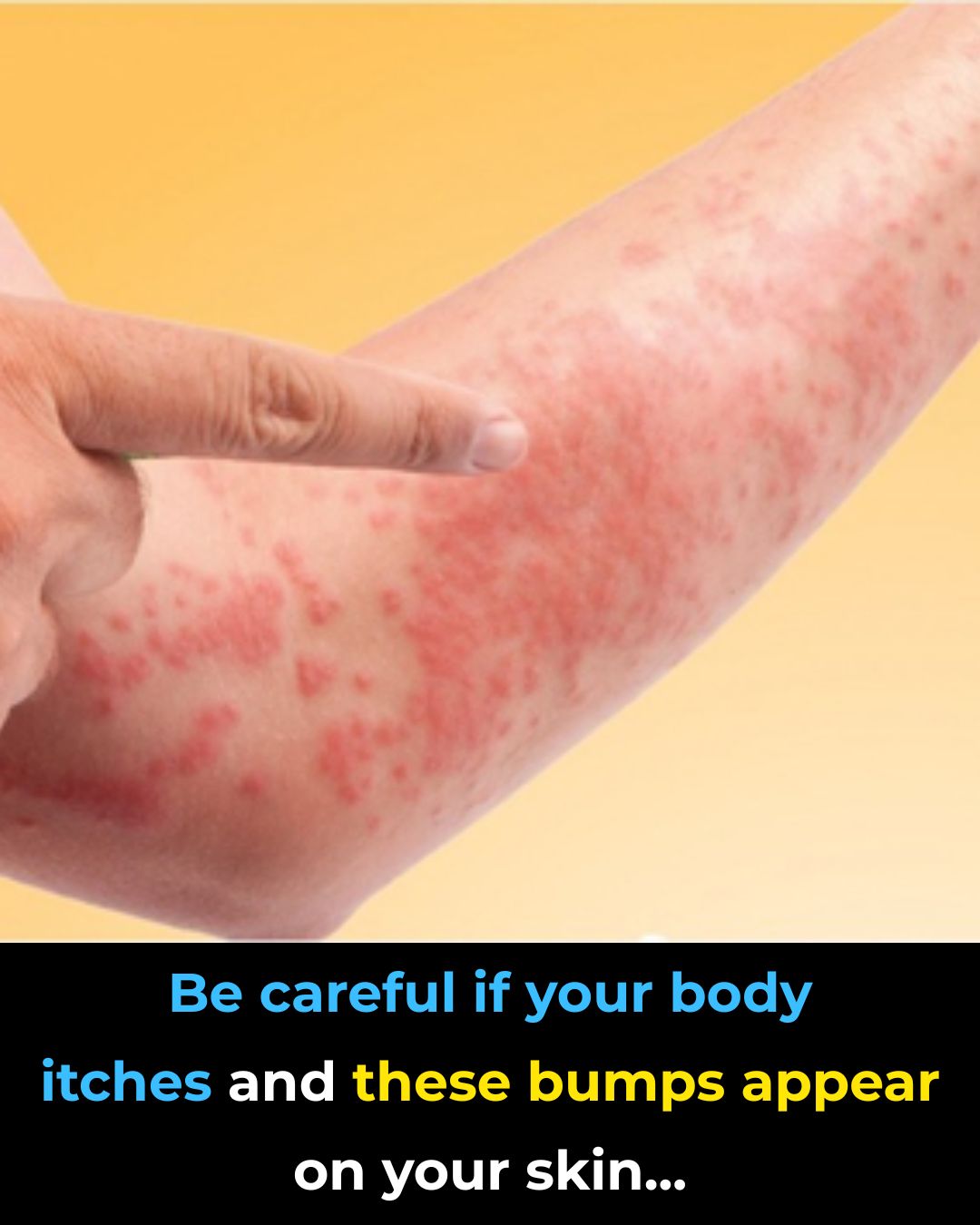
Surprising Causes of Hives Revealed — What May Be Triggering Your Skin Reaction
Hives, also known as urticaria, are raised, itchy, red or skin-colored welts that appear suddenly on the skin. While most people associate hives with common triggers like allergies to food or insect bites, the reality is that hives can be caused by a surprisingly wide range of factors. Understanding these triggers is essential for prevention, proper treatment, and improving your overall quality of life.
What Are Hives?
Hives are a skin reaction characterized by swollen, itchy, and sometimes painful patches. They can appear anywhere on the body and vary in size—from small dots to large, blotchy areas. Hives often resolve on their own within hours or days but can persist in chronic cases.
Why they appear:
Hives occur when the body releases histamine, a chemical involved in immune responses, into the skin. This histamine release leads to swelling of the blood vessels and the hallmark raised bumps of hives.
While acute hives may last a few days, chronic hives persist for more than six weeks and may require medical evaluation to uncover underlying causes.
Common Triggers You Probably Know
Before diving into the surprising causes, it’s helpful to quickly mention the well-known triggers:
Food allergies: Shellfish, peanuts, eggs, and dairy are common culprits.
Medications: Antibiotics, aspirin, and NSAIDs can trigger reactions.
Environmental allergens: Pollen, pet dander, and dust mites.
But beyond these, there are less obvious triggers that many people overlook.
1. Stress-Induced Hives
Yes, stress can trigger hives. Psychologists and dermatologists refer to this as stress urticaria. When you’re stressed, your body releases cortisol and other hormones that can alter immune responses and cause histamine release.
Symptoms: Hives may appear suddenly after emotional stress, often on the chest, arms, or back.
Management: Stress-reduction techniques like meditation, yoga, and deep breathing can help reduce flare-ups.
Even minor daily stressors—like deadlines or family conflicts—can trigger a physical skin reaction, which may surprise many.
Some hives appear in response to heat, cold, or even sunlight.
Cold-induced hives: Exposure to cold air, water, or objects can cause itchy welts.
Heat or sweat hives: Hot weather, exercise, or overheating can trigger itchy patches.
Solar urticaria: Sunlight itself can provoke hives in sensitive individuals.
The mechanism usually involves mast cells in the skin releasing histamine in response to environmental changes.
3. Pressure Hives
Also called dermatographism, pressure hives appear when skin is pressed, scratched, or rubbed.
Trigger examples: Tight clothing, belts, backpacks, or even leaning on your elbows.
Symptoms: Raised red welts appear along the lines of pressure, often accompanied by itching.
Prevalence: Dermatographism affects about 5% of the population and is more common in young adults.
4. Infection-Related Hives
Hives can be a reaction to bacterial, viral, or fungal infections.
Common infections:
Viral: Cold viruses, hepatitis, and mononucleosis.
Bacterial: Strep throat, urinary tract infections, or staph infections.
Fungal: Yeast infections in sensitive individuals.
Why it happens: The immune system reacts to infection by releasing histamine, which can manifest as hives.
Tip: Hives accompanying fever, fatigue, or other systemic symptoms should prompt medical attention.
5. Food Additives and Preservatives
It’s not just whole foods that trigger hives—processed foods can be a sneaky cause.
Culprits: Artificial colors, flavorings, and preservatives like sulfites and benzoates.
Hidden triggers: Packaged snacks, soft drinks, and ready-to-eat meals.
Mechanism: These substances may cause non-allergic histamine release, which can look like a traditional allergic reaction.
For some people, eliminating these additives dramatically reduces flare-ups.
6. Hormonal Fluctuations
Hormones can have a surprising impact on hives.
Menstrual cycles: Some women experience hives related to estrogen fluctuations.
Pregnancy: Hormonal changes can trigger or worsen hives.
Thyroid disorders: Both hyperthyroidism and hypothyroidism are linked with chronic urticaria.
If hives consistently appear during hormonal changes, discussing this with a healthcare provider is important.
7. Exercise-Induced Hives
Also known as exercise-induced urticaria, this occurs after physical activity.
Triggers: Running, swimming, or intense workouts.
Symptoms: Hives appear during or shortly after exercise, often with itching, flushing, or swelling.
Complication: In some cases, it’s combined with food intake, leading to exercise-induced anaphylaxis, which requires emergency attention.
8. Water-Induced Hives
Known as aquagenic urticaria, this rare condition triggers hives after skin contact with water, regardless of temperature.
Mechanism: The exact cause is unclear, but it may involve a reaction between water and a substance in the skin.
Treatment: Antihistamines and protective barriers can help, though severe cases need specialist care.
9. Autoimmune Causes
Chronic hives may sometimes have an autoimmune origin.
How it works: The immune system mistakenly attacks normal tissues, triggering histamine release.
Associated conditions: Thyroid disease, lupus, and rheumatoid arthritis.
Treatment: Chronic cases may require immunosuppressants or biologics under medical supervision.
10. Stress on the Immune System
A weakened or hyperactive immune system can make you more prone to hives.
Triggers: Illness, fatigue, or immune disorders.
Symptoms: Hives appear more frequently and sometimes without a clear external trigger.
Prevention: Adequate sleep, proper nutrition, and managing chronic conditions can reduce episodes.
11. Chemical and Environmental Exposures
Certain chemicals, even in everyday life, can trigger hives.
Examples:
Cleaning agents and detergents
Perfumes and cosmetics
Latex gloves or balloons
Mechanism: Contact dermatitis or histamine release from skin irritation.
Even seemingly harmless substances can cause a strong skin reaction in sensitive individuals.
12. Food-Drug Interactions
Sometimes, hives arise not from a single substance, but from the interaction between food and medication.
Example: Certain painkillers taken with alcohol, or foods containing tyramine while on MAO inhibitors.
Result: Unexpected hives appear hours later, making the cause hard to trace.
Keeping a detailed diary of food, medications, and hives outbreaks can help identify these hidden triggers.
How to Identify Your Personal Triggers
Pinpointing the cause of hives can be tricky but is crucial for prevention.
Keep a symptom diary: Note foods, activities, medications, and stress levels.
Patch testing or blood tests: Dermatologists can test for specific allergies.
Elimination diets: Temporarily removing suspected triggers may help.
Consult a healthcare professional: Chronic hives or hives with swelling of the lips, tongue, or throat require immediate attention.
Treatment Options
While avoiding triggers is ideal, hives often require medical or over-the-counter interventions:
Antihistamines: Block histamine and reduce itching.
Corticosteroids: Short-term use for severe flare-ups.
Cold compresses: Soothe itching and swelling.
Continue reading…
