Local and Global Reactions
Within Ukraine, authorities and civil society groups have used the incident to highlight the dangers of warfare near nuclear installations. They argue that explosive drones and other modern weapons systems — increasingly used in conflicts worldwide — pose new challenges that international nuclear safety frameworks were not written to address.
Environmental groups such as Greenpeace and the International Campaign to Abolish Nuclear Weapons (ICAN) have also amplified calls for renewed global agreements to protect nuclear facilities and waste storage sites worldwide.
Where Things Stand Today
As of early 2026:
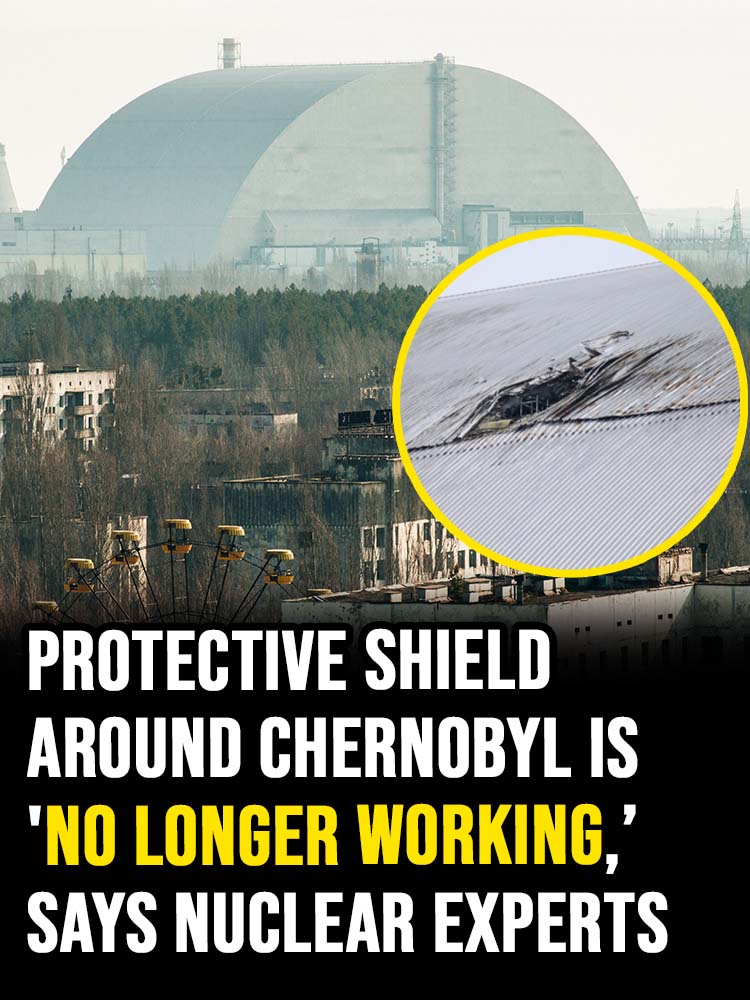
• The New Safe Confinement remains damaged and unable to fully perform its primary safety functions.
• Radiation levels around the site remain stable and within expected norms, with no evidence of a major radioactive leak since the 2025 attack.
• Temporary repairs have been conducted, but comprehensive restoration is still required to reinstate full containment.
• International funding and technical planning are underway for a repair project expected to unfold in 2026.
• Experts warn that delaying repairs would only increase long-term risks.
Conclusion: A Cautionary Tale for the Nuclear Age
The revelation that Chernobyl’s protective shield is no longer working as designed is a stark reminder of how fragile nuclear safety systems can be in times of armed conflict. Although no immediate radiation emergency has occurred, the failure of the NSC’s containment capability represents a long-term hazard that will require sustained international effort and cooperation to address.
The Chernobyl disaster shaped global nuclear policy for decades, teaching critical lessons about reactor design, safety culture, and disaster response. Now, more than 40 years after the initial catastrophe, the site is once again at the center of a lesson the world must learn — about protecting nuclear infrastructure in an era of modern warfare and geopolitical tensions.
As global powers consider future commitments to nuclear safety, disarmament, and environmental protection, the situation at Chernobyl stands as an urgent call to action: nuclear sites are too dangerous, and too important, to be left vulnerable in conflict zones.
