8.1 Larger Clinical Trials
BioNTech and Genentech have progressed into Phase 2 trials of autogene cevumeran in more patients to determine whether the vaccine can improve recurrence‑free and overall survival compared with standard post‑surgical care.
Researchers are exploring combinations of mRNA vaccines with:
Checkpoint inhibitors (e.g., PD‑1/PD‑L1 or CTLA‑4 inhibitors)
Chemotherapy or targeted agents
Other immunomodulatory adjuvants
The goal is to synergize different mechanisms to enhance tumor control.
8.3 Novel Nanoparticle Platforms
Work like the UCLA nanoparticle research may expand vaccine efficacy to metastatic disease and even preventive applications in high‑risk individuals — though this remains early stage.
9. Broader Implications for Cancer Treatment
9.1 A Shift Toward Precision Immunotherapy
9.2 Lessons From the COVID‑19 Pandemic
The rapid development of COVID‑19 mRNA vaccines validated the technology’s potential. That success accelerated research into cancer applications, and the emerging PDAC vaccine results illustrate how breakthroughs in one field can inspire advances in another.
10. Conclusion: A New Chapter in Pancreatic Cancer Treatment
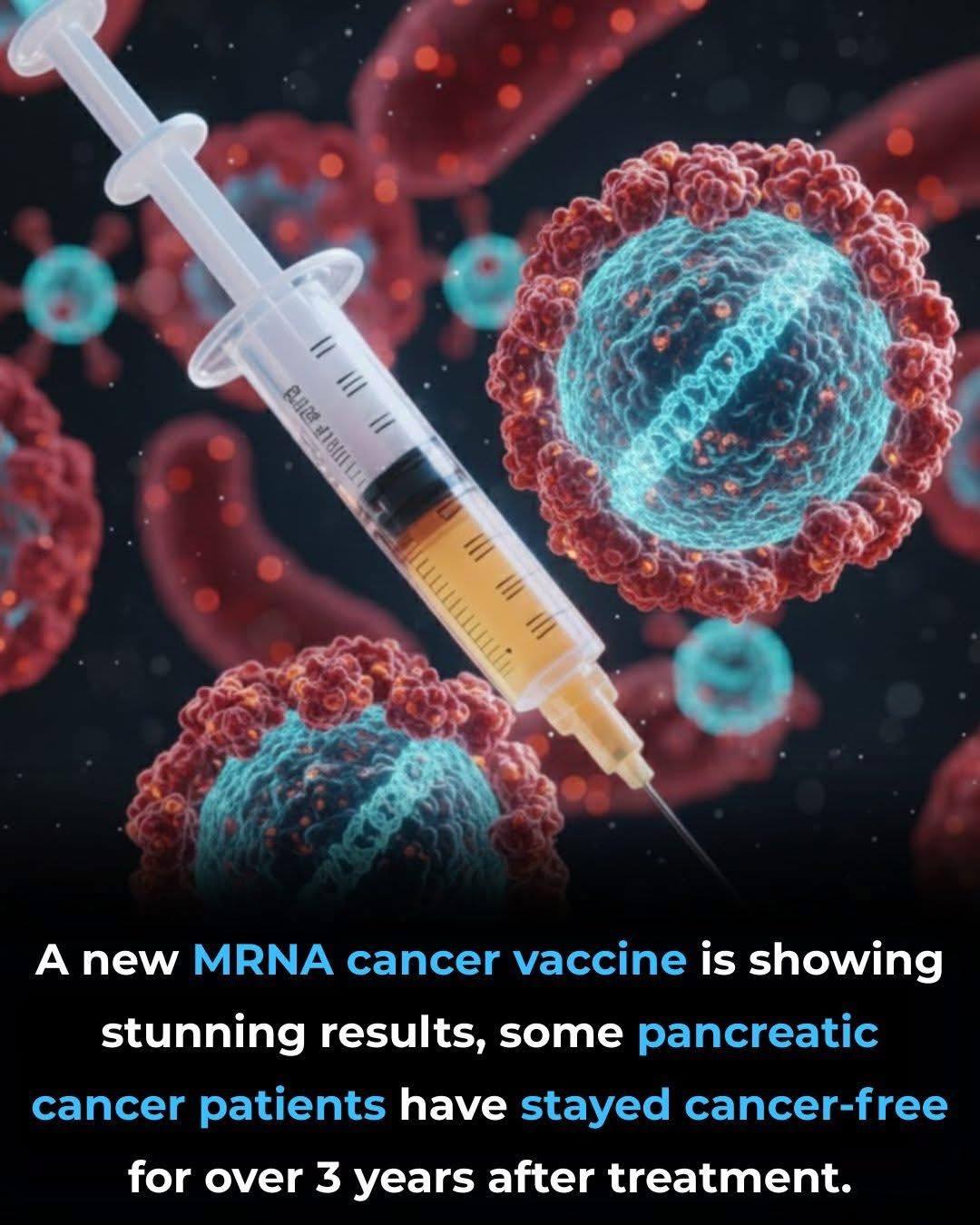
The emergence of mRNA vaccines as a strategy against pancreatic cancer represents one of the most exciting developments in oncology in years. Early clinical data, especially from personalized vaccines like autogene cevumeran, show that these vaccines can stimulate durable immune responses and potentially delay cancer recurrence — remarkable for a disease long considered almost impervious to immunotherapy.
Off‑the‑shelf KRAS‑targeted vaccines and innovative nanoparticle platforms further broaden the possibilities, suggesting that both individualized and more universal approaches may have roles.
While significant challenges remain — including tumor heterogeneity, manufacturing complexity, and the immunosuppressive tumor microenvironment — the progress so far marks a new chapter in the fight against pancreatic cancer. The next few years of research, especially large-scale Phase 2 and 3 trials, will be critical in determining whether these promising vaccines can translate into real, widespread clinical benefit.
