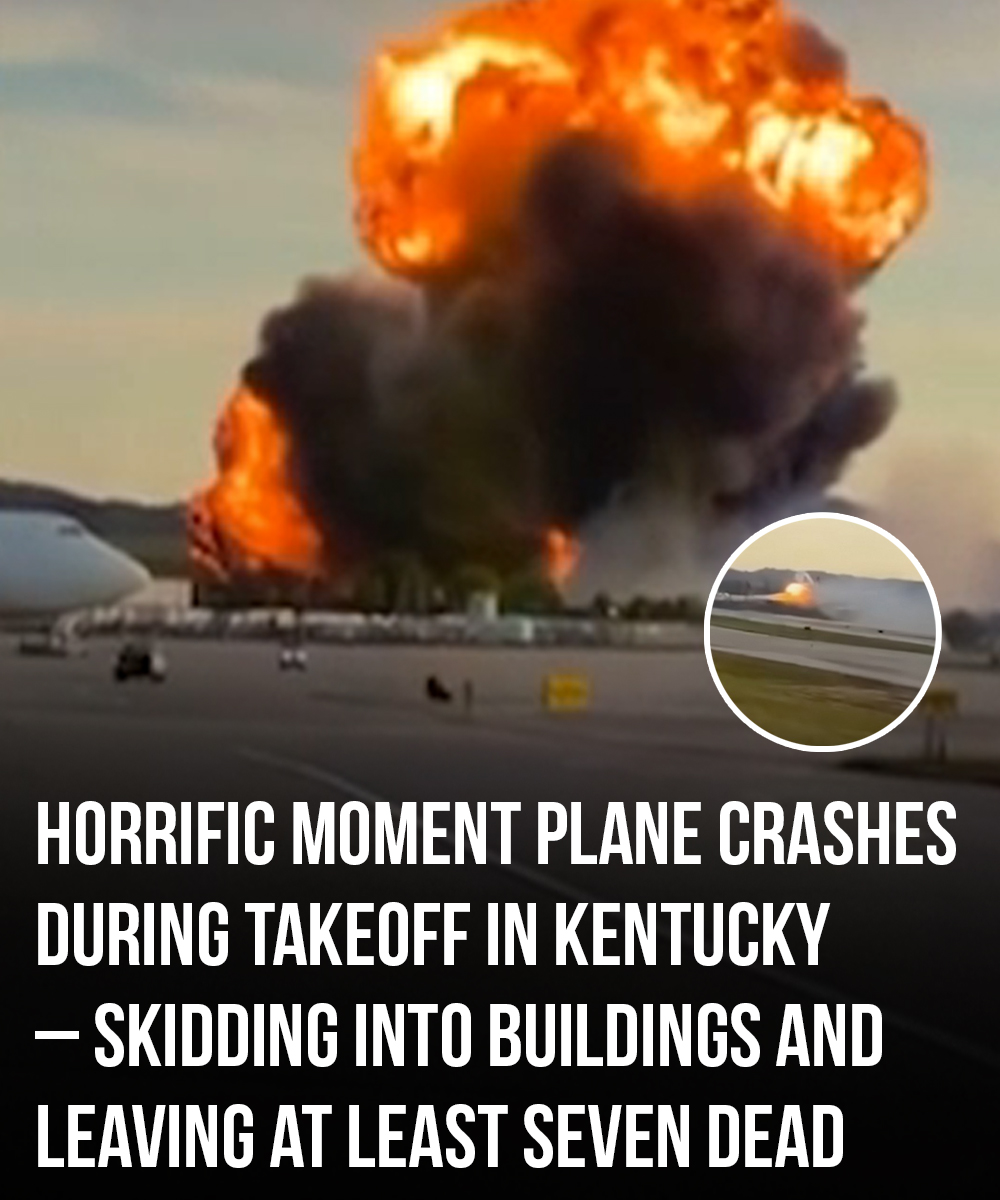
Nearby highways were closed, area schools were shuttered for days, and the airport itself was shut down temporarily, causing flight cancellations and delays as authorities secured the scene and ensured there were no additional hazards.
Community members joined relief efforts, donating blood, supplies, and support to displaced workers and families impacted by the loss of loved ones. Vigils and memorials sprung up across Louisville as the city mourned the tragedy.
From the beginning, investigators focused on technical factors that might have caused or contributed to the crash.
Early video analysis and CCTV footage suggested that the left engine of the MD‑11 separated from the wing during takeoff, creating an imbalance that the remaining engines could not compensate for.
According to officials from the NTSB, a plume of fire appeared near the left wing before the plane even became airborne, indicating a possible engine fire or catastrophic mechanical failure.
The black box flight recorders were recovered from the wreckage and sent to specialized labs for analysis. Investigators examined cockpit voice recordings, flight data, and engine performance parameters, alongside wreckage debris patterns and maintenance records. These findings are expected to inform recommendations for future safety measures.
Officials have not yet released a final report, and such investigations typically take 12–24 months due to the complexity of reconstructing aircraft systems and sequences of events leading up to a crash.
Industry Impact: UPS and the MD‑11 Fleet
In the wake of the crash, UPS announced the accelerated retirement of its entire fleet of McDonnell Douglas MD‑11 cargo aircraft, citing safety concerns following the tragedy. The MD‑11 had been a workhorse for UPS for decades, but the Louisville disaster underscored vulnerabilities inherent in older airframes and system designs.
The Federal Aviation Administration also grounded MD‑11s across U.S. carriers pending a thorough review of inspection findings. Other operators, including international freight airlines, voluntarily suspended MD‑11 operations as a precaution.
Industry analysts have speculated that this event could accelerate modernization of cargo fleets worldwide, as carriers re‑evaluate risk profiles associated with aging aircraft. Safety advocates have also called for stricter oversight of maintenance logs, engine mount inspections, and mid‑air engine‑failure certification standards.
Community Toll and Broader Implications
Louisville is not just an aviation hub — it is a living community with families, schools, businesses, and daily life woven into the fabric surrounding the airport.
For many locals, the crash was not just an air disaster but a community shock. South Louisville’s industrial corridor — populated with auto parts stores, warehouses, recyclers, and small businesses — was directly in the crash’s path. Entire structures were damaged or destroyed, displacing workers and creating months of rebuilding work.
Employees of nearby businesses shared stories of sudden explosions, shattered glass, and frantic attempts to escape flames. Some families lost multiple relatives in a single devastating event.
Resilience efforts included charity drives for funeral costs, medical bills, and psychological support for those afflicted by trauma. Schools offered counseling to students who witnessed the smoke plumes or had family ties to the tragedy.
Aviation Safety and Lessons Learned
1. Engine Reliability and Redundancy
The failure and subsequent separation of the MD‑11’s left engine raises questions about redundancy systems and certification thresholds for multi‑engine cargo jets.
2. Fuel Load Risks
The aircraft’s full fuel tanks contributed to the magnitude of the fireball, sparking reviews of fuel management protocols on long‑haul cargo departures.
3. Crash Zone Planning
Urban planning around airports — especially when homes and workplaces lie within potential crash corridors — may be re‑examined to reduce ground casualties in future emergencies.
4. Maintenance Oversight
Regulators could tighten inspection requirements for older fleets, including structural components critical to flight integrity under stress.
Industry voices note that while air travel and cargo transport remain among the safest forms of transportation, rare catastrophic events like this send ripples through engineering, operations, and regulation.
Conclusion
The UPS Flight 2976 crash in Kentucky was a tragic and complex aviation disaster that claimed lives, altered corporate fleet strategies, and underscored the ever‑present need for vigilance in airline safety.
From the harrowing scenes of flames and smoke at Louisville Muhammad Ali International Airport to the meticulous reconstruction efforts by aviation investigators, the event has had lasting consequences — for grieving families, a shaken community, and an industry that strives to learn from every loss.
As investigations continue and safety recommendations emerge, the legacy of this accident will be measured not just in numbers, but in how lessons from that tragic afternoon shape a safer future for cargo aviation worldwide.
