When to Worry and Seek Medical Help
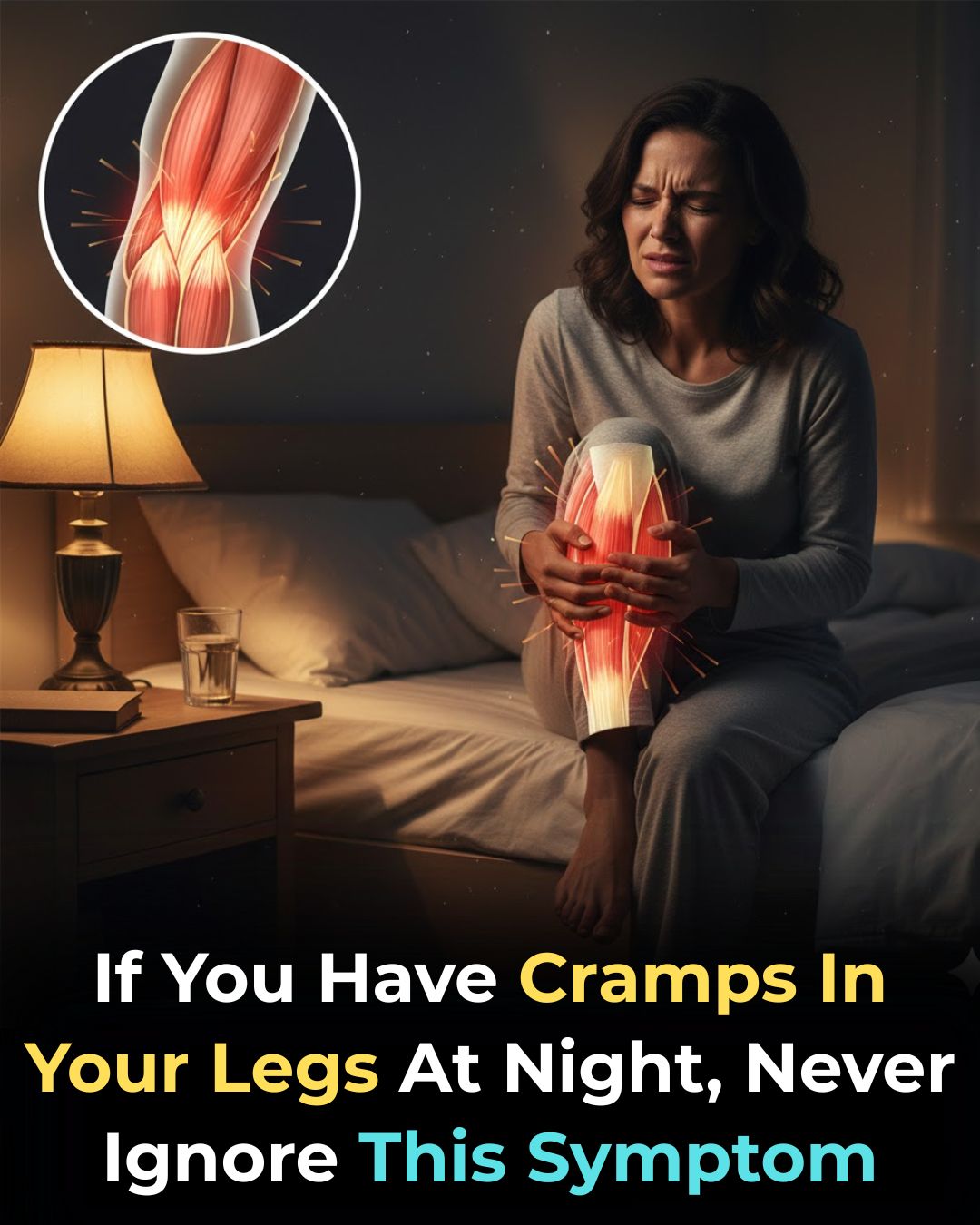
Nighttime leg cramps are a common and often distressing experience. One moment you’re peacefully asleep, and the next you’re jolted awake by a sudden, intense pain gripping your calf, foot, or thigh. The muscle tightens involuntarily, sometimes becoming visibly knotted, and relief may take seconds—or several agonizing minutes.
When are nighttime leg cramps harmless—and when should you worry and seek medical help?
This article explores nighttime leg cramps in depth: what they are, why they happen, who is most at risk, how to relieve and prevent them, and most importantly, the warning signs that indicate it’s time to see a healthcare professional.
What Are Nighttime Leg Cramps?
Nighttime leg cramps, also known as nocturnal leg cramps, are sudden, involuntary muscle contractions that occur during rest, typically at night or while lying down. They most often affect:
The calf muscles
The arches or toes of the foot
Less commonly, the thigh muscles
These cramps are characterized by:
Sharp or intense pain
A hard, tight muscle that may be visible under the skin
Duration ranging from a few seconds to several minutes
Residual soreness lasting hours or even days
Unlike muscle spasms caused by exercise, nighttime leg cramps occur at rest and are not always predictable.
Nighttime Leg Cramps vs. Restless Legs Syndrome
A common source of confusion is the difference between nighttime leg cramps and restless legs syndrome (RLS). Although both occur at night and affect the legs, they are very different conditions.
Understanding the difference is important because they have different causes and treatments.
How Common Are Nighttime Leg Cramps?
Nighttime leg cramps are extremely common, especially with age:
Up to 60% of adults report experiencing them at some point
Prevalence increases significantly after age 50
Pregnant individuals, particularly in the third trimester, are frequently affected
Despite how common they are, many people never mention them to their doctor—assuming they are just part of aging or something they must tolerate.
What Causes Nighttime Leg Cramps?
In many cases, the exact cause of nighttime leg cramps is unknown. However, several contributing factors and medical conditions have been identified.
1. Muscle Fatigue and Overuse
Overworked muscles are more prone to cramping, especially when they are not properly stretched or rested. Common triggers include:
Prolonged standing during the day
Intense exercise without adequate recovery
Long periods of sitting followed by sudden movement
Muscle fatigue alters neuromuscular control, increasing the likelihood of involuntary contractions at rest.
2. Poor Circulation and Prolonged Positioning
Sleeping with your feet pointed downward or lying in one position for extended periods may shorten calf muscles, making them more susceptible to cramping.
Similarly, sitting for long periods during the day—especially with poor posture—can impair circulation and muscle flexibility.
3. Dehydration
Even mild dehydration can disrupt the balance of fluids and electrolytes in the body, affecting muscle function. This is particularly common in people who:
Don’t drink enough water
Consume excessive caffeine or alcohol
Sweat heavily due to heat or exercise
4. Electrolyte Imbalances
Electrolytes play a crucial role in muscle contraction and relaxation. Imbalances may involve:
Potassium
Magnesium
Calcium
Sodium
Low levels of these minerals can increase neuromuscular excitability, making cramps more likely. However, electrolyte deficiency is not the cause in all cases, and supplementation should not be done without medical guidance.
5. Pregnancy
Nighttime leg cramps are common during pregnancy, especially in the third trimester. Contributing factors include:
Increased weight and pressure on leg muscles
Changes in circulation
Altered mineral levels
Fatigue
While uncomfortable, pregnancy-related leg cramps are usually benign.
6. Age-Related Muscle Changes
As we age, muscle mass and flexibility naturally decline. Shortened tendons and reduced neuromuscular control increase the likelihood of cramps, especially at night.
7. Medications That May Trigger Leg Cramps
Certain medications are associated with an increased risk of nighttime leg cramps, including:
Diuretics (water pills)
Statins (cholesterol-lowering drugs)
Beta-agonists (used for asthma)
Certain blood pressure medications
Some antidepressants
If leg cramps begin after starting a new medication, this is worth discussing with your healthcare provider.
8. Underlying Medical Conditions
In some cases, nighttime leg cramps may be associated with chronic or serious health conditions, such as:
Peripheral artery disease (PAD)
Diabetes
Kidney disease
Liver disease
Thyroid disorders
Neurological conditions
Venous insufficiency
This is where “when to worry” becomes particularly important.
When Are Nighttime Leg Cramps Harmless?
Most nighttime leg cramps are benign, meaning they are not caused by a serious medical condition. You are less likely to need medical evaluation if:
Cramps occur occasionally
Pain resolves completely between episodes
There is no swelling, redness, or weakness
You are otherwise healthy
Symptoms improve with stretching or hydration
For many people, lifestyle adjustments are enough to significantly reduce or eliminate cramps.
Warning Signs: When to Worry About Nighttime Leg Cramps
While most leg cramps are harmless, certain features suggest the need for medical evaluation. You should consider seeking medical help if any of the following apply.
1. Cramps Are Frequent or Worsening
If leg cramps:
Occur multiple times per week
Are increasing in frequency or intensity
Regularly disrupt your sleep
This may indicate an underlying condition that needs evaluation.
2. Persistent Pain or Muscle Weakness
Normal cramps resolve, leaving only mild soreness. Seek medical attention if you experience:
Ongoing pain between cramps
Muscle weakness
Difficulty walking or standing
These symptoms may suggest nerve or muscle disorders.
3. Swelling, Redness, or Warmth
Leg cramps accompanied by:
Swelling
Redness
Tenderness
Warmth
could indicate deep vein thrombosis (DVT) or infection, both of which require urgent medical care.
4. Cramps Associated With Exercise-Induced Pain
Pain or cramping during walking or exercise that improves with rest may indicate peripheral artery disease (PAD). PAD reduces blood flow to the legs and can be serious if untreated.
5. Numbness, Tingling, or Burning Sensations
Neurological symptoms such as numbness, tingling, or burning pain may suggest nerve involvement, often seen in:
Diabetic neuropathy
Spinal conditions
Vitamin deficiencies
6. Sudden Onset After Starting a New Medication
If cramps begin shortly after starting or increasing a medication, your healthcare provider may need to adjust the dose or switch medications.
7. History of Chronic Disease
People with the following conditions should be especially vigilant:
Diabetes
Kidney disease
Heart disease
Thyroid disorders
Liver disease
In these cases, leg cramps may reflect changes in metabolism, circulation, or electrolytes.
How Doctors Evaluate Nighttime Leg Cramps
If you seek medical care, evaluation may include:
Medical History
Frequency and duration of cramps
Location and severity
Medication review
Lifestyle and activity level
Associated symptoms
Physical Examination
Muscle strength and tone
Reflexes
Circulation and pulses
Signs of swelling or nerve involvement
Laboratory Tests (If Needed)
Electrolyte levels
Kidney function tests
Blood sugar levels
Thyroid function
Imaging or nerve studies are rarely required unless there are concerning signs.
Immediate Relief: What to Do During a Leg Cramp
When a nighttime leg cramp strikes, the goal is to gently relax the muscle.
1. Stretch the Muscle
Straighten the leg
Gently pull toes toward your head
Hold for 10–30 seconds
2. Massage
Gently rub or knead the muscle
Apply pressure to help release the contraction
3. Apply Heat or Cold
Heat can relax tight muscles
Cold may reduce lingering soreness
4. Walk It Off
Standing or walking may help restore normal muscle function
Preventing Nighttime Leg Cramps
While prevention isn’t always possible, these strategies can significantly reduce frequency.
Daily Stretching
Stretch calves and hamstrings before bed
Hold stretches for at least 30 seconds
Stay Hydrated
Drink water throughout the day
Be mindful of caffeine and alcohol intake
Proper Footwear
Wear supportive shoes
Avoid high heels for prolonged periods
Continue reading…
