Who Are the Children Being Returned?
The seven children recently returned to Ukraine were identified as six boys and one girl, though detailed personal descriptions were not released publicly for privacy reasons. Officials emphasized that all had been living outside of Ukraine due largely to the upheavals of war and needed to be reunited with parents or extended family members.
In that previous announcement, some of the children were reported to have been displaced into Russia because of frontline fighting, while others were separated due to family displacement across international borders.
The diversity of these situations — ranging from battlefield separations to cross-border displacements — highlights the myriad ways the war has torn families apart.
International and Humanitarian Context
The issue of Ukrainian children displaced or abducted in the war has attracted global concern from governments, international organizations, and advocacy groups.
Ukraine itself has developed initiatives such as the “Bring Kids Back UA” campaign, which works alongside civil society organizations and international partners to identify and support the return of abducted children. Efforts include building DNA databases and mobilizing public awareness campaigns to reconnect families with missing children.
Ukrainian officials earlier this year estimated that at least 1,859 children abducted by Russia had been successfully returned through various efforts — though they emphasized that this still represented a small fraction of those reported missing.
European institutions and leaders have also prioritized the issue. The European Commission announced plans for an international summit focused on the return of Ukrainian children, bringing together officials and advocates to coordinate strategies and underscore the urgency of addressing systematic displacement.
Beyond government-led initiatives, humanitarian and legal groups continue to push for accountability, documentation, and support for families still separated from their children — many of whom are believed to remain in Russian territory or under Russian control.
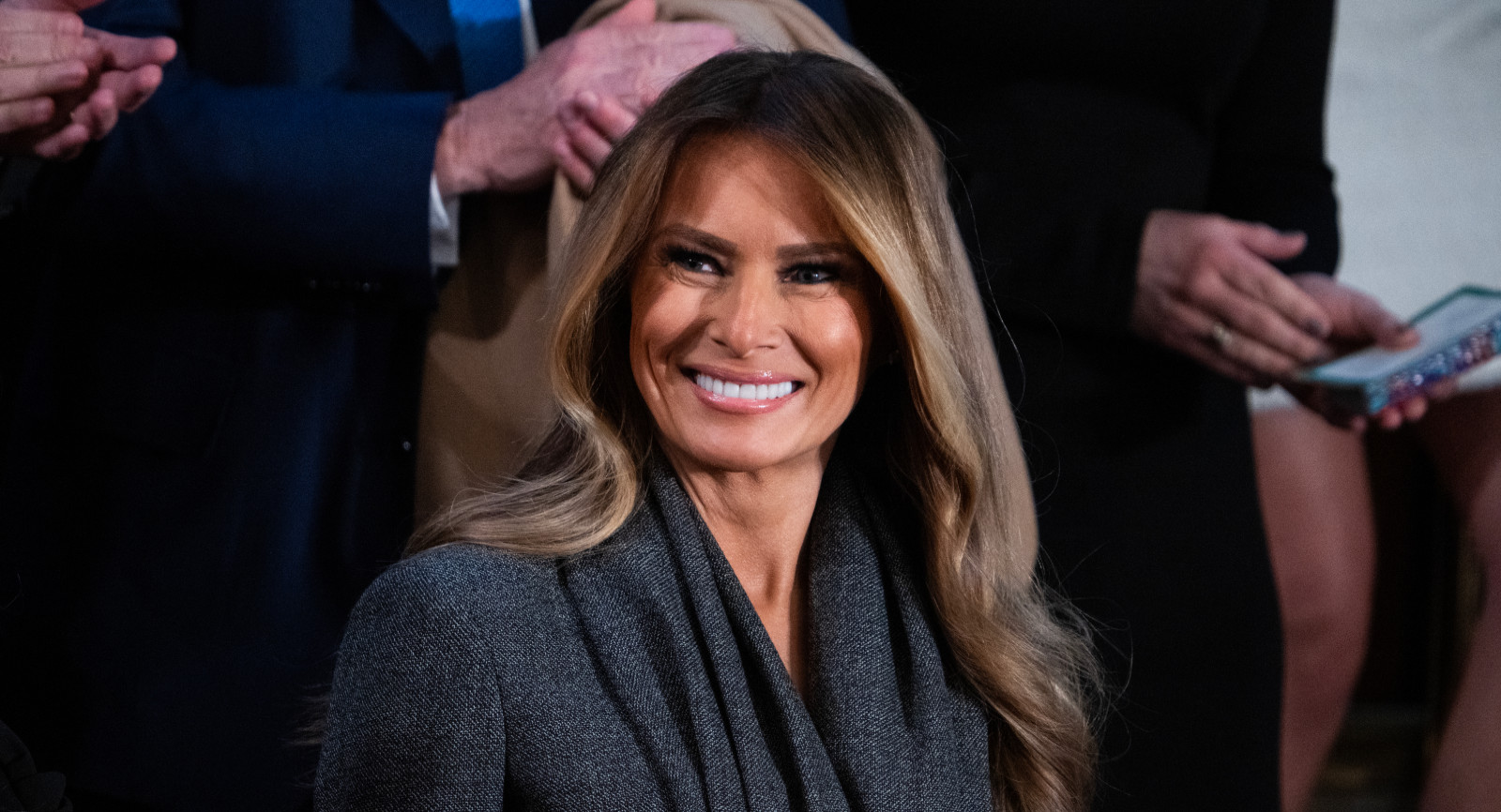
The announcement by the First Lady has drawn mixed reactions domestically and internationally.
Supporters of the reunification efforts have lauded the humanitarian outcome, saying that any child returned to their family is a victory amid such profound suffering. Advocacy groups, including FDD Action, have issued statements urging legislative backing — such as including the Abducted Ukrainian Children Recovery and Accountability Act in broader U.S. defense legislation to ensure sustained focus on the issue.
At the same time, some critics and commentators have warned that isolated returns, while positive, do not substitute for systemic action to address the root causes of child displacement or to ensure that broader war crimes allegations are thoroughly investigated and addressed.
Observers have also debated the diplomatic balance of credit and responsibility — particularly concerns that engaging with Russian authorities without firm conditions could be portrayed as legitimizing Russia’s broader wartime conduct, even as specific children are brought home.
The Human Toll: Families and Children
Behind the diplomatic announcements are the deeply personal stories of families who have endured years of uncertainty.
For many Ukrainian parents, the separation from a child — whether through displacement, conflict, or forced transfer — has been a source of profound anguish. Reunification, even of a small number of children, carries emotional weight that extends beyond the headlines.
While these reunifications are welcomed by families and advocates, the broader issue remains daunting: thousands of children are still believed to be separated from their families.
What Comes Next?
The recent announcement makes clear that efforts to return Ukrainian children will continue, but it also highlights the immense scale of the challenge.
Officials say that diplomatic communication channels remain open and that further reunifications are expected. Both U.S. and Ukrainian authorities, along with multiple international partners, have pledged ongoing engagement to support families still waiting for the return of their children.
Efforts to sustain international attention — including planned summits, legislative initiatives, and civil society campaigns — reflect a recognition that the humanitarian dimension of the war will require long-term commitment.
As families welcome home these children, the broader quest for peace and justice in the region continues, with the fate of many more still undecided.
Sources: This article draws on reports from Reuters, the Associated Press, Fox News, and The Well News, as well as independent analysis of Ukrainian government figures and international initiatives.
