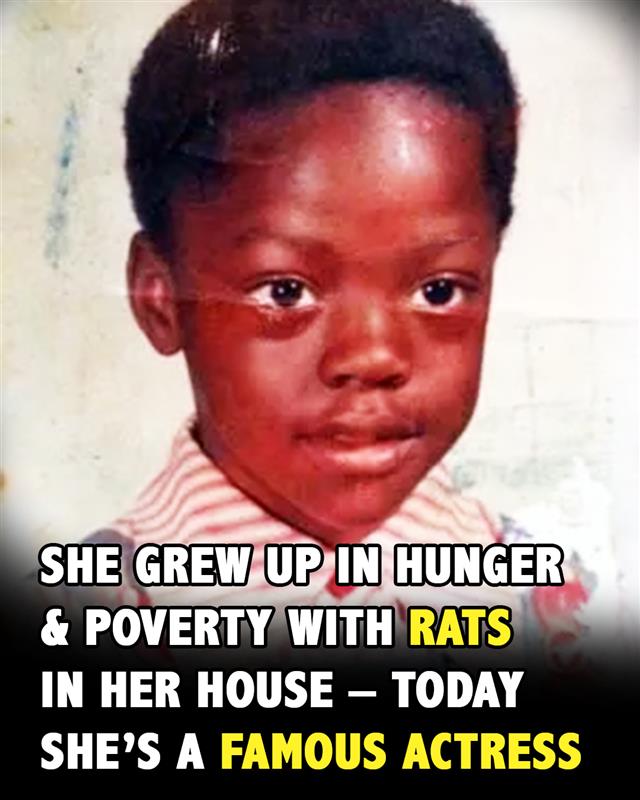
Pain, Poverty, and the Making of a Survivor
Viola Davis is often celebrated today as one of the greatest actors of her generation—an EGOT winner, a commanding screen presence, a voice of moral authority in Hollywood. She radiates strength, intelligence, and emotional truth. Yet behind that power lies a childhood marked by extreme poverty, hunger, fear, and trauma. Davis has never hidden this part of her story. In fact, she has chosen to tell it—again and again—not for sympathy, but for truth.
This is the story of that childhood.
Born Into Hardship
Viola Davis was born on August 11, 1965, in St. Matthews, South Carolina, the fifth of six children in her family. From the very beginning, life offered little comfort. Her parents were sharecroppers—an arrangement rooted in the legacy of slavery, where Black families worked land they did not own for minimal pay, often trapped in cycles of debt and dependence.
Sharecropping was not simply a job; it was a system designed to keep families poor. Davis has spoken about how her early years were shaped by instability and lack—lack of money, lack of safety, lack of certainty about the future.
Soon after Viola’s birth, her family moved north to Central Falls, Rhode Island, hoping for better opportunities. What they found instead was a different form of struggle.
Growing Up in Extreme Poverty
The apartment the Davis family lived in was condemned. It was infested with rats—so many that they were not just an occasional nuisance but a constant presence. Viola has described rats running across the floor, crawling through walls, and even biting her in her sleep.
Food insecurity was a daily reality. Meals were not guaranteed. Sometimes the only food available was a can of pork and beans shared among multiple children. Viola has spoken openly about being hungry at school, about the shame of her stomach growling in class, about the constant anxiety of not knowing when she would eat again.
Bullying and Social Isolation
At school, Viola was bullied relentlessly.
She smelled different—because poverty does not allow for consistent hygiene. She wore the same clothes repeatedly. Her shoes were worn down. Other children noticed, and they were cruel.
She has recalled classmates refusing to sit near her, calling her names, mocking her appearance. Teachers often did nothing. Silence, she learned early, was another form of abandonment.
This isolation planted deep seeds of self-doubt. Viola has said she felt invisible, unwanted, and fundamentally different. She internalized the idea that she was “less than”—not because she lacked intelligence or kindness, but because the world told her so every day.
A Home Marked by Violence
Poverty was only part of the trauma. Viola Davis grew up in a household affected by alcoholism and domestic violence. Her father struggled with alcohol addiction, and when he drank, he became abusive.
Continue reading…
