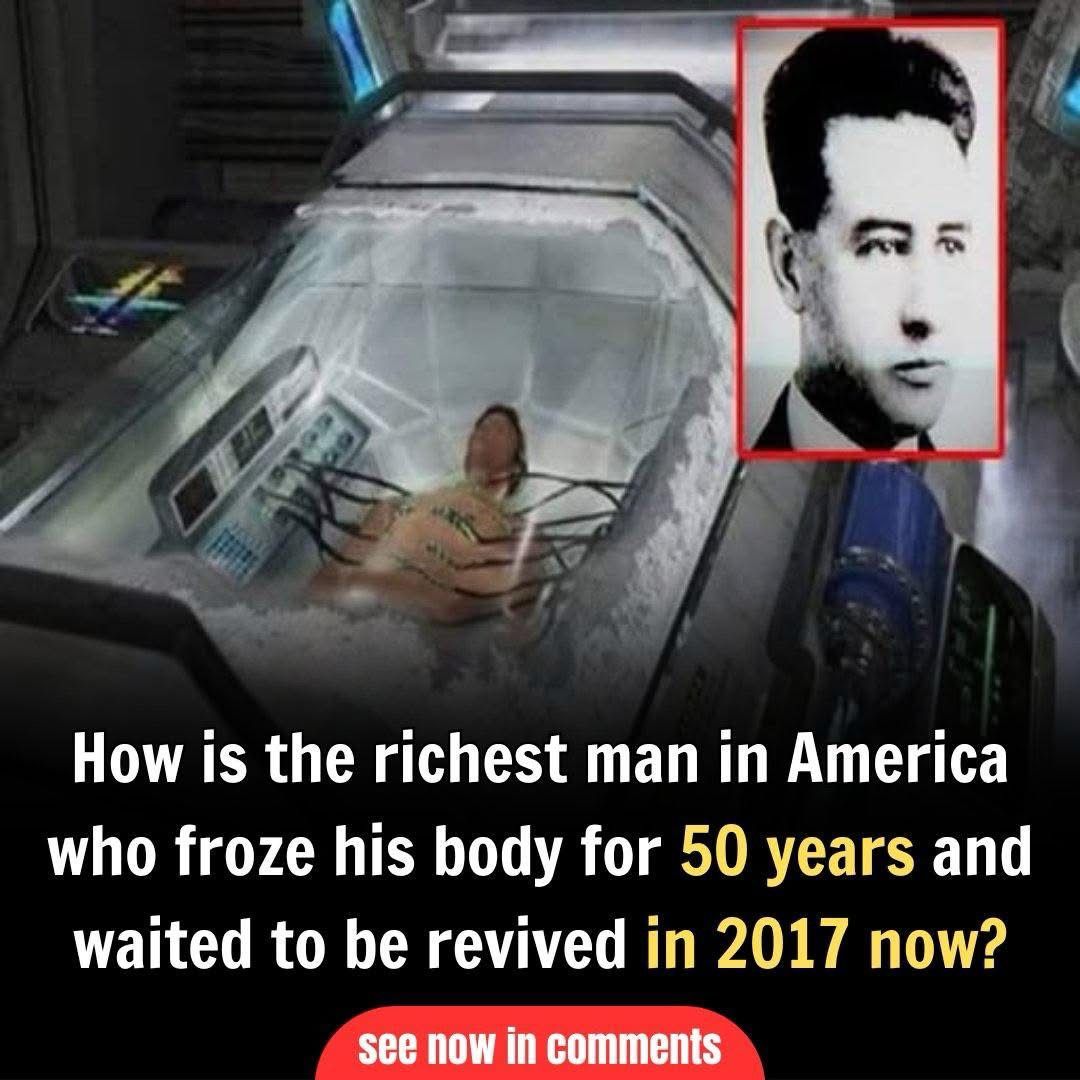
Leading cryobiologists and mainstream medical researchers caution that, as of now, cryonics remains speculative and that the probability of successful revival is unknown and likely extremely low.
⚖️ Ethical and Philosophical Debates
🤔 What Is Death?
Traditional definitions of death hinge on irreversible cessation of brain and bodily function. Cryonics reimagines death as a spectrum: a condition that might one day be reversed if the structural information in the brain is preserved. This challenges legal, medical, and philosophical boundaries.
🧠 Identity and Continuity
Even if futuristic technology could repair cellular damage, questions remain about whether a revived person would truly be the same individual — with the same consciousness, memories, and sense of self.
💰 Resource and Access Issues
Cryonics is expensive. Ongoing storage and care require financial plans, and those without resources might never afford such services. Critics argue that investing in cryonics might divert attention from improving healthcare for the living.
🌐 Bedford’s Legacy: Frozen, But Not Forgotten
Today, Dr. James Bedford’s preserved remains are more than just a historical footnote. They are a symbol — of humanity’s yearning to transcend death, of the tension between hope and scientific limits, and of the enduring conversation about what the future might hold.
Hope in the Face of Finality
Bedford’s choice — and that of his family, who defended his wishes in courts when others wanted him buried — reflects a deep belief that death might someday be postponed or reversed.
Science Still Has Far to Go
While modern cryonics has evolved remarkably since 1967, the goal of reviving a cryogenically preserved human remains just that: a goal, not a realized achievement. The science needed to make revival possible — from molecular repair to brain reconstruction — is currently beyond our reach.
Whether Bedford will ever be awoken from his icy slumber is unknown. Some advocates see his preservation as a long‑term bet on human ingenuity. Others view it as a cautionary tale about technology outpacing evidence. What remains undeniable is that his frozen body continues to challenge our assumptions about death, identity, and the future.
🧠 Conclusion: The Frozen Future
James Bedford lies in suspension, waiting in a cryonics vessel for a future that may come centuries — or millennia — from now. His story straddles science, philosophy, and human emotion, forcing us to ask: What would it mean to conquer death? And at what cost?
The first cryogenically preserved man remains on ice — not as a corpse forgotten, but as a provocateur of ideas, a testament to scientific idealism, and perhaps a bridge to a future we can’t yet imagine.
