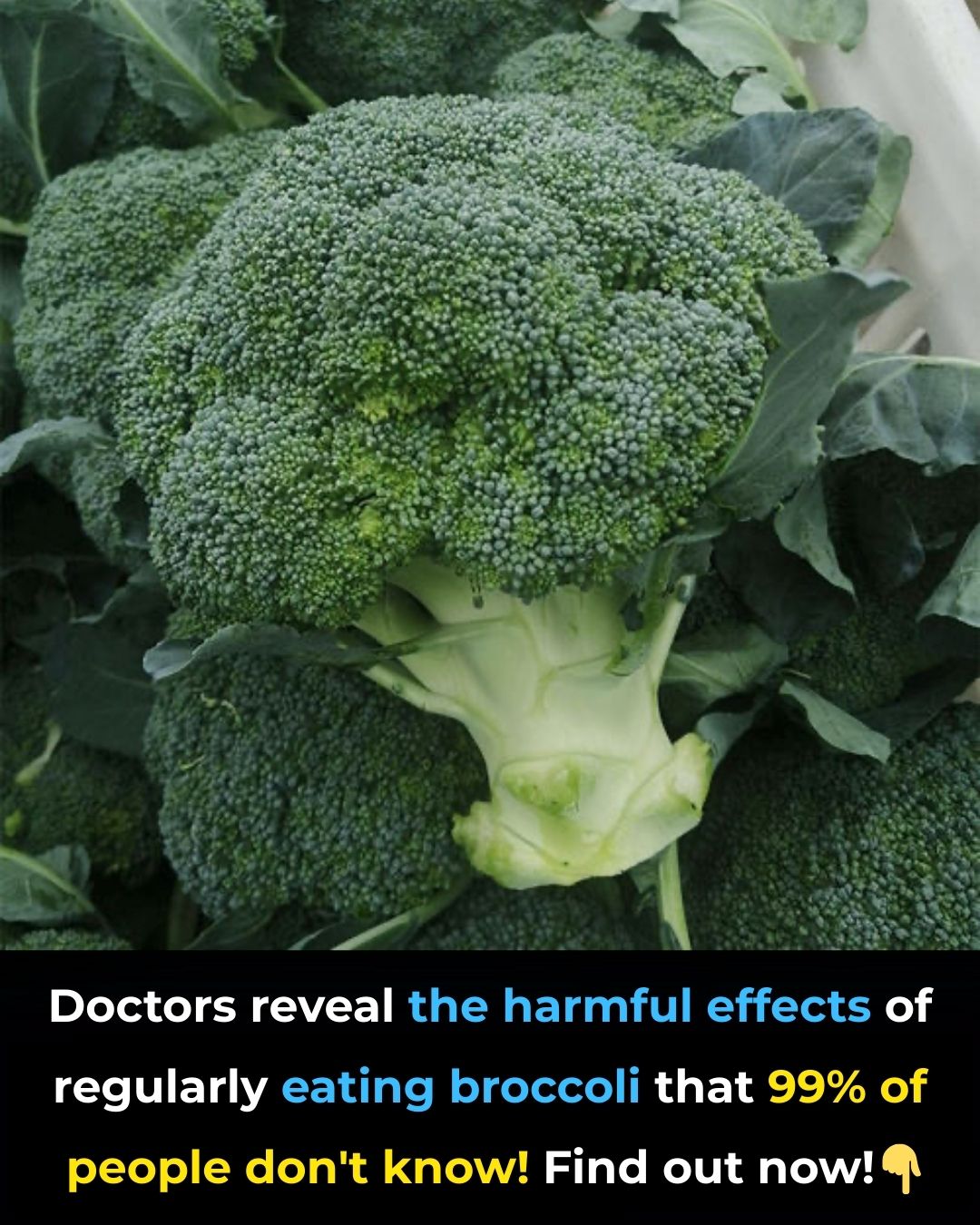
Doctors Reveal What Eating Broccoli Really Causes in the Body
Broccoli has long been praised as a “superfood,” but for many people, it’s also one of the most misunderstood vegetables on the plate. Some swear by it for energy, immunity, and longevity. Others complain it causes bloating, digestive discomfort, or thyroid issues. So what really happens inside your body when you eat broccoli?
In this in-depth article, we’ll break down exactly what eating broccoli causes in the body, from digestion and inflammation to hormones, cancer protection, brain health, and even aging. We’ll also explore who should be cautious, how cooking changes broccoli’s effects, and how to eat it for maximum benefit.
1. What Broccoli Is Made Of: A Nutritional Overview
Before understanding what broccoli does in the body, it’s essential to know what it contains.
Broccoli is a cruciferous vegetable, part of the Brassica family, which includes cauliflower, kale, Brussels sprouts, and cabbage. Its nutritional density is unusually high for its calorie count.
Key Nutrients in Broccoli
One cup of cooked broccoli provides:
Vitamin C (more than an orange)
Vitamin K (essential for blood clotting and bone health)
Potassium
Fiber
Calcium (plant-based)
Magnesium
Iron (non-heme)
But the most powerful compounds in broccoli aren’t vitamins or minerals.
Bioactive Compounds Doctors Pay Attention To
Indole-3-carbinol
Glucosinolates
Lutein and zeaxanthin
Kaempferol (a flavonoid)
These compounds are what give broccoli its disease-fighting reputation.
2. What Happens the Moment You Eat Broccoli
Step 1: Chewing Activates Its Medicine
When you chew broccoli, you trigger an enzyme called myrosinase. This enzyme converts inactive compounds (glucosinolates) into sulforaphane, one of the most studied anti-inflammatory and anti-cancer compounds in nutrition science.
Doctors emphasize:
If broccoli isn’t chewed well—or if it’s overcooked—this conversion is reduced.
Step 2: Digestive Processing
Once swallowed:
Fiber slows digestion, stabilizing blood sugar
Sulfur compounds stimulate digestive enzymes
Gut bacteria begin fermenting certain fibers in the colon
This is why broccoli can cause gas for some people (more on that later).
3. Broccoli’s Impact on Inflammation
Chronic Inflammation: The Root of Many Diseases
Doctors now agree that chronic inflammation contributes to:
Heart disease
Diabetes
Arthritis
Alzheimer’s disease
Autoimmune conditions
Cancer
How Broccoli Reduces Inflammation
Sulforaphane works at a cellular and genetic level by:
Activating the Nrf2 pathway, which turns on antioxidant genes
Suppressing NF-κB, a major inflammatory signaling molecule
Reducing oxidative stress in tissues
Medical Insight:
This isn’t a temporary antioxidant effect—it’s a gene-regulating effect. Broccoli essentially tells your cells to protect themselves better.
4. Broccoli and Cancer: What Doctors Actually Say
Broccoli is one of the most researched vegetables in cancer prevention.
Cancers Most Strongly Associated with Broccoli Consumption
Breast cancer
Prostate cancer
Colon cancer
Lung cancer
Bladder cancer
What the Science Shows
Doctors point to sulforaphane’s ability to:
Neutralize carcinogens before they damage DNA
Slow tumor growth
Promote cancer cell apoptosis (programmed cell death)
Inhibit angiogenesis (blood supply to tumors)
Importantly, broccoli does not cure cancer, but population studies consistently show lower cancer rates among people who regularly consume cruciferous vegetables.
5. Effects on Digestion and Gut Health
Why Broccoli Can Improve Gut Health
Broccoli feeds beneficial gut bacteria through:
Soluble fiber
Prebiotic compounds
Sulfur-containing nutrients
These promote:
Increased short-chain fatty acids (like butyrate)
Reduced gut inflammation
Stronger intestinal lining
Why Broccoli Causes Bloating for Some People
Doctors explain bloating occurs when:
Gut bacteria ferment broccoli’s fibers too rapidly
People with IBS or SIBO struggle with FODMAPs
Raw broccoli is eaten in large quantities
Medical Advice:
Lightly steaming broccoli reduces digestive discomfort without destroying most nutrients.
6. Broccoli’s Effect on Hormones
Estrogen Balance
Broccoli contains indole-3-carbinol, which helps the liver metabolize estrogen more efficiently.
This can:
Reduce estrogen dominance
Lower risk of estrogen-related cancers
Improve hormonal balance in both men and women
Testosterone and Men’s Health
Doctors note broccoli may:
Reduce excess estrogen in men
Support healthy testosterone ratios
Improve prostate health
7. Broccoli and Brain Health
Neuroprotection
Sulforaphane crosses the blood-brain barrier and:
Reduces neuroinflammation
Protects neurons from oxidative damage
May slow cognitive decline
Studies link cruciferous vegetable intake to:
Better memory in aging adults
Lower risk of neurodegenerative disease
Mood and Mental Health
Broccoli’s folate and magnesium support:
Neurotransmitter production
Stress resilience
Reduced depression risk
8. Broccoli and Heart Health
Doctors recommend broccoli for cardiovascular protection because it:
Lowers LDL (“bad”) cholesterol
Improves blood vessel function
Reduces arterial inflammation
Supports healthy blood pressure
Vitamin K in broccoli also helps prevent arterial calcification, a major risk factor for heart attacks.
9. Blood Sugar and Weight Control
Blood Sugar Regulation
Broccoli:
Slows glucose absorption
Improves insulin sensitivity
Reduces post-meal blood sugar spikes
Some studies show sulforaphane improves glucose control in people with type 2 diabetes.
Weight Loss Support
Doctors note broccoli helps weight management because it:
Is low-calorie, high-volume
Increases satiety
Stabilizes blood sugar
Supports fat metabolism
10. Broccoli and Bone Health
Broccoli contributes to bone strength through:
Vitamin K (critical for bone mineralization)
Calcium
Magnesium
Anti-inflammatory compounds
Doctors often recommend broccoli for people who don’t consume dairy.
11. Immune System Effects
Broccoli strengthens immunity by:
Increasing antioxidant capacity
Supporting white blood cell function
Reducing chronic immune stress
Vitamin C and sulforaphane together help the body respond more effectively to infections.
12. Anti-Aging and Longevity Effects
Cellular Aging
Sulforaphane activates genes associated with:
Detoxification
DNA repair
Reduced cellular senescence
Populations with higher cruciferous vegetable intake often show:
Lower disease burden
Longer healthspan
Better metabolic aging profiles
13. Raw vs Cooked Broccoli: What Doctors Recommend
Raw Broccoli
Pros
Higher myrosinase activity
More sulforaphane potential
Cons
Harder to digest
More bloating risk
Cooked Broccoli
Continue reading…
