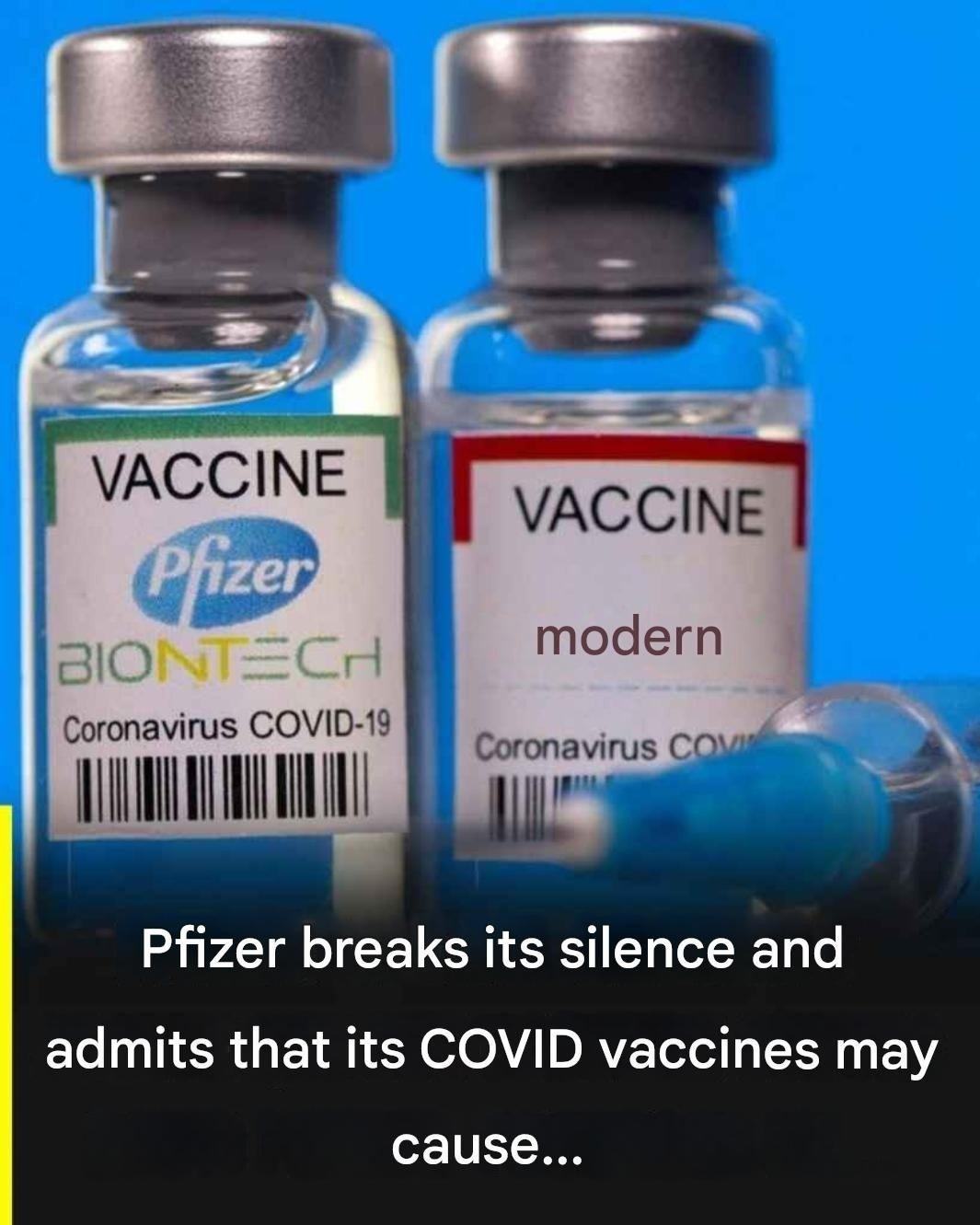
What You Need to Know About Its Effects and Aftercare
Introduction
The COVID-19 pandemic reshaped the world in ways few events ever have. From overwhelmed healthcare systems to lockdowns, remote work, and global economic disruption, the virus touched nearly every aspect of daily life. Among the most critical tools developed to combat COVID-19 were vaccines—scientific breakthroughs that significantly reduced severe illness, hospitalization, and death.
This article provides a detailed, easy-to-understand guide to the effects of COVID-19 vaccines and proper aftercare, helping you make informed decisions and feel confident about vaccination.
Understanding COVID-19 and the Role of Vaccines
What Is COVID-19?
COVID-19 is a contagious respiratory disease caused by the SARS-CoV-2 virus. While some people experience mild or no symptoms, others develop severe illness, including pneumonia, organ failure, and long-term complications known as long COVID. The virus spreads primarily through respiratory droplets and aerosols when infected individuals cough, sneeze, talk, or breathe.
Why Vaccines Are Important
Vaccines train the immune system to recognize and fight the virus without causing the disease itself. By doing so, they:
Reduce the risk of severe illness and death
Lower hospitalization rates
Help protect vulnerable populations
Contribute to herd immunity, slowing the spread of the virus
COVID-19 vaccines have saved millions of lives worldwide and remain a cornerstone of public health response.
Types of COVID-19 Vaccines
Different COVID-19 vaccines use different technologies, but they all aim to teach the immune system how to fight the virus.
1. mRNA Vaccines
Examples include Pfizer-BioNTech and Moderna.
Use messenger RNA to instruct cells to make a harmless piece of the virus (spike protein)
mRNA never enters the nucleus and does not alter DNA
2. Viral Vector Vaccines
Examples include Johnson & Johnson and AstraZeneca.
Use a modified, harmless virus to deliver instructions for making the spike protein
Triggers an immune response without causing COVID-19
3. Inactivated or Protein-Based Vaccines
Use inactivated virus or specific viral proteins
Traditional technology used in many long-standing vaccines
All approved COVID-19 vaccines undergo rigorous testing to ensure safety and effectiveness.
What Happens in Your Body After Vaccination?
The Immune Response
After vaccination, your immune system responds by:
Recognizing the antigen (spike protein or its instructions)
Producing antibodies to fight the virus
Creating memory cells that remember how to respond in the future
This process takes time—usually a few days to a couple of weeks—and is the reason some side effects occur.
Why Side Effects Happen
Side effects are generally a sign that your immune system is responding appropriately. They are not caused by the virus itself, but by the body’s defense mechanisms activating.
Common Effects and Side Effects of COVID-19 Vaccines
Most side effects are mild to moderate and resolve within a few days.
Local Side Effects (at the Injection Site)
Pain or tenderness
Swelling
Redness
Warmth
These are the most common effects and usually last 1–3 days.
Systemic Side Effects
Fatigue
Headache
Muscle or joint pain
Fever or chills
Nausea
These effects are more common after the second dose or booster and typically resolve within 48–72 hours.
Delayed Reactions
Some individuals experience delayed skin reactions (sometimes called “COVID arm”) several days after vaccination. These reactions are harmless and temporary.
Less Common and Rare Side Effects
While rare, some side effects have been closely monitored.
Allergic Reactions
Severe allergic reactions (anaphylaxis) are extremely rare
Most occur within minutes to an hour after vaccination
Vaccination sites are equipped to manage these reactions
Heart-Related Inflammation
Rare cases of myocarditis or pericarditis, mostly in younger males
Usually mild and resolves with treatment
Risk is significantly higher from COVID-19 infection itself than from vaccination
Blood Clotting Disorders
Extremely rare and linked to certain viral vector vaccines
Benefits of vaccination greatly outweigh these risks
COVID-19 Vaccines and Long-Term Effects
Do Vaccines Cause Long-Term Problems?
Extensive research shows that serious vaccine side effects typically appear within the first few weeks after vaccination. COVID-19 vaccines have been administered to billions of people globally, with ongoing monitoring showing no widespread long-term adverse effects.
Vaccines vs. Long COVID
COVID-19 infection can lead to long-term symptoms such as fatigue, brain fog, heart issues, and lung damage. Vaccination significantly reduces the risk of developing long COVID.
Special Populations and Considerations
Older Adults
Higher risk of severe COVID-19
Vaccines are especially important and effective
Boosters help maintain protection
Pregnant and Breastfeeding Individuals
Vaccination is considered safe
Helps protect both parent and baby
Antibodies can pass to the baby through placenta or breast milk
People with Chronic Conditions
Conditions like diabetes, heart disease, and asthma increase COVID-19 risk
Vaccines reduce severe outcomes
Immunocompromised Individuals
May require additional doses
Protection may be lower, but vaccination is still strongly recommended
Aftercare: What to Do After Getting Vaccinated
Proper aftercare helps reduce discomfort and supports your immune response.
Immediately After Vaccination
Stay at the vaccination site for 15–30 minutes
Report dizziness, difficulty breathing, or swelling immediately
Avoid strenuous activity for the rest of the day
Managing Common Side Effects
For arm pain or swelling:
Apply a cool compress
Gently move your arm
Avoid heavy lifting
For fever or body aches:
Stay hydrated
Rest as needed
Use over-the-counter pain relievers if recommended by a healthcare provider
Sleep and Nutrition
Get adequate sleep, which supports immune function
Eat balanced meals with fruits, vegetables, protein, and fluids
Avoid excessive alcohol for a few days
When to Seek Medical Attention
Contact a healthcare provider if you experience:
Chest pain or shortness of breath
Persistent high fever (over 3 days)
Severe or worsening symptoms
Signs of allergic reaction (hives, swelling, difficulty breathing)
These situations are rare but should be evaluated promptly.
Boosters and Ongoing Protection
Why Boosters Are Needed
Over time, immunity can decrease, and new variants may emerge. Booster doses:
Reinforce immune memory
Improve protection against severe disease
Continue reading…
