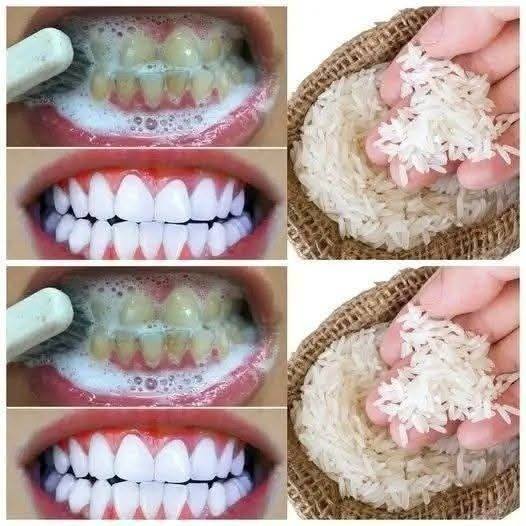
The antibacterial compounds in bay leaves can help reduce odor-causing bacteria, which may temporarily improve breath freshness. Their anti-inflammatory effects may also support gum health, contributing to a cleaner-looking smile overall. However, these benefits relate to oral hygiene—not true teeth whitening.
Many DIY recipes combine bay leaves with baking soda or coconut oil. In such cases, most of the whitening effect comes from baking soda, a proven polishing agent, rather than the bay leaf itself. Bay leaf mouth rinses may soothe gums and freshen breath but do not whiten teeth at all.
Importantly, there is no scientific evidence supporting bay leaves as an effective whitening treatment. Excessive rubbing can damage enamel, leading to sensitivity and long-term harm.
In short, bay leaves may support oral freshness and cleanliness, but they will not deliver dramatic whitening results. A brighter smile comes from consistent dental care, stain prevention, and dentist-approved whitening methods—not herbal shortcuts.
