How the Incident Unfolded
On January 24, 2026, 37‑year‑old intensive care nurse Alex Pretti was shot and killed by U.S. Customs and Border Protection (CBP) agents in Minneapolis during a federal immigration enforcement operation. The incident occurred amid protests against the deployment of immigration agents to the city, which had become a flashpoint in the nationwide debate over immigration enforcement and civil liberties.
However, bystander videos and multiple independent reviews contradicted key aspects of that narrative. Footage widely circulated on social media showed Pretti holding a phone when agents tackled him to the ground, and at least one agent removing a firearm from his waistband before he was shot. These discrepancies raised serious questions about the justification for lethal force.
According to a preliminary internal review by CBP’s Office of Professional Responsibility sent to Congress, two federal officers fired their weapons during the confrontation with Pretti. The report did not explicitly state that Pretti brandished his firearm, contradicting initial DHS claims.
Border Patrol Chief’s Controversial Defense
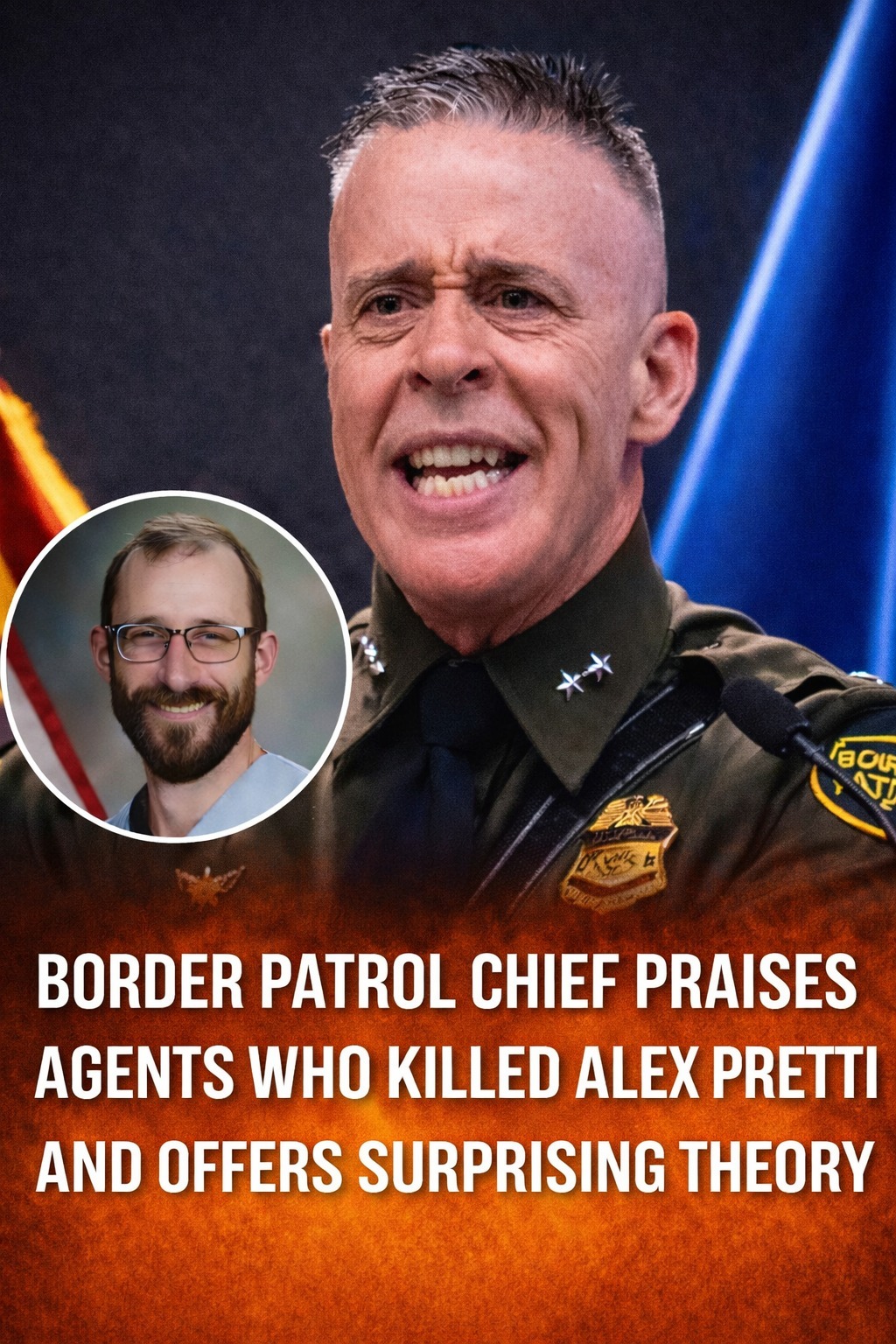
Days after the shooting, Border Patrol commander Gregory Bovino gave public statements defending the agents involved. Instead of acknowledging concerns about the use of deadly force, he praised the Border Patrol agents, asserting that they had responded appropriately to a dangerous situation and implying they were victims of circumstances created by Pretti.
During an interview on CNN’s State of the Union, Bovino repeatedly described the federal agents as the ones who suffered and suggested Pretti had “put himself in that situation” by approaching an “active law enforcement scene.” He claimed without offering clear evidence that the officers “prevented any specific shootings of law enforcement” by acting decisively.
He reiterated similar sentiments in other comments, celebrating the agents’ actions and referring to them colloquially as the “Mean Green Machine”, thanking them for their service despite the controversy surrounding the fatal shooting.
Bovino’s framing was stark and has drawn significant criticism: rather than acknowledging the complex and unresolved facts, his defense placed the blame on Pretti, depicted as an aggressor rather than a victim—even as video evidence suggests he was disarmed before being shot.
Alternative Explanations Offered by Officials
1. Pretti as a Threat
Early statements from DHS Secretary Kristi Noem and White House aides described Pretti as carrying a weapon with the intent to assault federal agents. Noem said he “came with weapons and ammunition to stop a law enforcement operation,” and other officials used terms like “domestic terrorist” to describe him.
These characterizations were widely circulated through official channels and right‑wing media. Commentary amplified claims that Pretti intended violence, even though video evidence contradicts the assertion that he ever brandished his firearm.
2. Misinterpretation and Fear in the Moment
In later explanations, some administration officials began softening or modifying initial claims. According to internal statements reported by The Guardian, there was a suggestion that agents may have fired out of fear or misinterpretation after Pretti’s gun was removed—raising the possibility that the shooting was a tragic error rather than a justified defensive act.
3. Operational Context and Protocol
CBP’s internal notification to Congress framed the encounter as a struggle when agents attempted to detain Pretti, with an agent yelling “He’s got a gun!” shortly before officers fired. Though this report doesn’t justify lethal force, it indicates how agents perceived the situation.
Contradictions in the Official Narrative
One of the most contentious aspects of this episode has been the gap between initial government claims and what video evidence shows:
Video footage showed Pretti holding a phone and trying to help a woman just before agents tackled him. There was no evidence in the video that he brandished his firearm at any time.
Preliminary internal CBP reviews did not mention Pretti brandishing his gun, contradicting initial DHS claims. Experts say this undermines official justifications for lethal force.
Congressional notifications and internal memos suggest that the agents may have fired within seconds of hearing “gun” shouted, but do not support broader assertions of aggressive intent by Pretti.
These contradictions have fueled widespread skepticism and allegations of misinformation, particularly given how rapidly certain narratives were disseminated by political officials and partisan outlets.
Public Reaction and Political Fallout
The shooting of Pretti has provoked intense public outcry, protests, and political debate across the United States.
Community and Family Response
Pretti’s family, friends, and colleagues have challenged the official narrative, describing him as a compassionate person who was trying to protect others during the protest. Many have denounced attempts to label him a threat or a terrorist.
Memorials and vigils have taken place in his honor, highlighting his life as an ICU nurse and community member rather than the controversial framing some officials offered.
Local and National Protests
The incident sparked protests in Minneapolis as residents and activists expressed anger over federal agents’ presence and tactics. Minnesota Governor Tim Walz joined calls for a de‑escalation of federal law enforcement activity in the state.
Public demonstrations have become a focal point for broader grievances about immigration enforcement, civil liberties, and police accountability.
Political Reactions
The fallout has fractured political discourse:
Democratic leaders condemned the killing and questioned the Trump administration’s response, demanding transparent investigations and accountability.
Republican figures offered mixed statements. While some defended law enforcement, others, including President Donald Trump, softened initial rhetoric, acknowledging that Pretti was not acting as an assassin even as he upheld broader immigration enforcement goals.
The controversy has also influenced debates over federal funding and oversight of immigration agencies, with some lawmakers proposing restrictions or enhanced review mechanisms in light of the shooting.
Legal and Investigative Responses
Multiple investigations are underway, including internal CBP reviews and scrutiny from Congress. Key issues include:
Whether the use of lethal force was justified or excessive.
The integrity and completeness of evidence handling and access.
Discrepancies between initial public claims and what official records show.
As of late January 2026, agents involved in the Pretti shooting were placed on administrative duty and relocated from Minneapolis, but they have not been criminally charged.
Some legal experts have raised alarm over how evidence has been handled and whether investigative protocols were fully respected.
Broader Implications
The controversy around Pretti’s killing and subsequent praise from Border Patrol leadership sheds light on several broader trends and concerns:
1. Trust in Federal Law Enforcement
The incident underscores deep mistrust among many Americans toward federal agencies, particularly when their public statements don’t align with independent evidence.
Continue reading…
