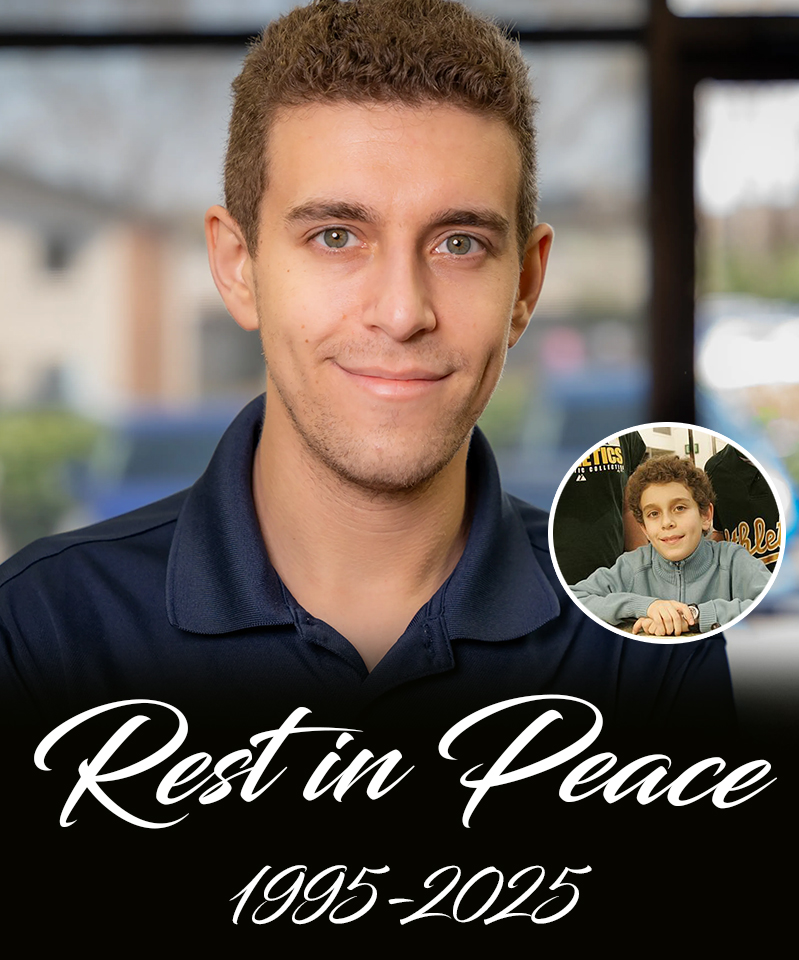
Daniel Naroditsky: A Brilliant Life Cut Tragically Short
American Chess Grandmaster Dies Suddenly at Age 29
By the time Daniel Naroditsky died unexpectedly in October 2025 at just 29 years old, he was one of the most recognizable and beloved figures in the modern chess world. His death sent shockwaves not just through the United States but across the global chess community, from elite grandmasters to club players and millions of online fans.
His passing has sparked deep reflection on the pressures faced by modern players, the impact of public scrutiny in the era of social media, and how the chess world—and society—supports the mental health and wellbeing of its brilliant but vulnerable members.
Origins: From Child Prodigy to U.S. Chess Star
Daniel “Danya” Naroditsky was born on November 9, 1995 in San Mateo, California, to a family with deep intellectual roots. His father, Vladimir, was a mathematician from Ukraine, and his mother, Lena, a pianist from Azerbaijan; both had emigrated to the United States prior to his birth.
Naroditsky’s chess journey began at a young age. He first learned the game at age six, and it quickly became clear that he possessed rare talent. By age nine he was the top‑ranked player in the United States for his age group, and in 2007 he won the Under‑12 World Youth Chess Championship—one of the first major international trophies of his life.
He published his first instructional chess book as a teenager and continued to excel both academically and in chess, eventually earning a degree in history from Stanford University in 2019 while maintaining a fierce competitive schedule.
At just 18 years old, Naroditsky earned the title of Grandmaster, the highest title awarded by the International Chess Federation (FIDE), and one that only a select few achieve in their lifetimes—a testament to his extraordinary skill and dedication.
A Career Defined by Competitive Success and Public Engagement
Though Naroditsky achieved a high level of competitive success—he stayed among the top 200 players in the world and was among the top 25 in blitz chess (fast‑paced games)—his influence was felt far beyond the ranking tables.
He won the U.S. National Blitz Championship in August 2025 with a perfect 14‑0 record, showcasing his explosive tactical skills and his ability to thrive in intense, fast time formats.
But what made Naroditsky a true modern chess icon wasn’t only his tournament performance—it was his media presence. He amassed hundreds of thousands of followers on platforms like YouTube and Twitch, where he streamed live games, provided analysis, and shared teaching content that made complex chess theory accessible to casual observers and aspiring players alike.
Beyond online video, he wrote for publications such as The New York Times and Chess Life, designing puzzles, authoring columns, and helping bridge the gap between competitive chess and mainstream culture.
Off the board, Naroditsky served as a head coach at the Charlotte Chess Center in North Carolina, further shaping the next generation of American players.
The Announcement: A Sudden Death That Shocked the Chess World
On October 20, 2025, the Charlotte Chess Center released a statement announcing that Daniel Naroditsky had died unexpectedly at age 29. The news was met with profound grief across the chess world. FIDE, national federations, elite grandmasters, online personalities, and ordinary fans around the world expressed deep sorrow.
The official statement described Naroditsky as “a talented chess player, commentator, and educator, and a cherished member of the chess community.” It asked for privacy for his family during a time of mourning.
At the time of the announcement, no cause of death was disclosed. Initial reporting focused on the suddenness of his passing and the shock it inflicted on his community.
Immediate Aftermath and Community Reaction
The reaction to Naroditsky’s death was immediate and global. Some of the world’s top players, including American blitz specialist Hikaru Nakamura, voiced their devastation publicly, describing the loss as a massive blow to chess.
Tributes poured in from players of every level, describing him as a generous mentor, a brilliant strategist, and someone who inspired a deep love for the game. Stories circulated of Naroditsky signing autographs for children after tournaments, engaging in discussions with fans long after matches had concluded, and using his platform to promote sportsmanship and intellectual curiosity.
Continue reading…
