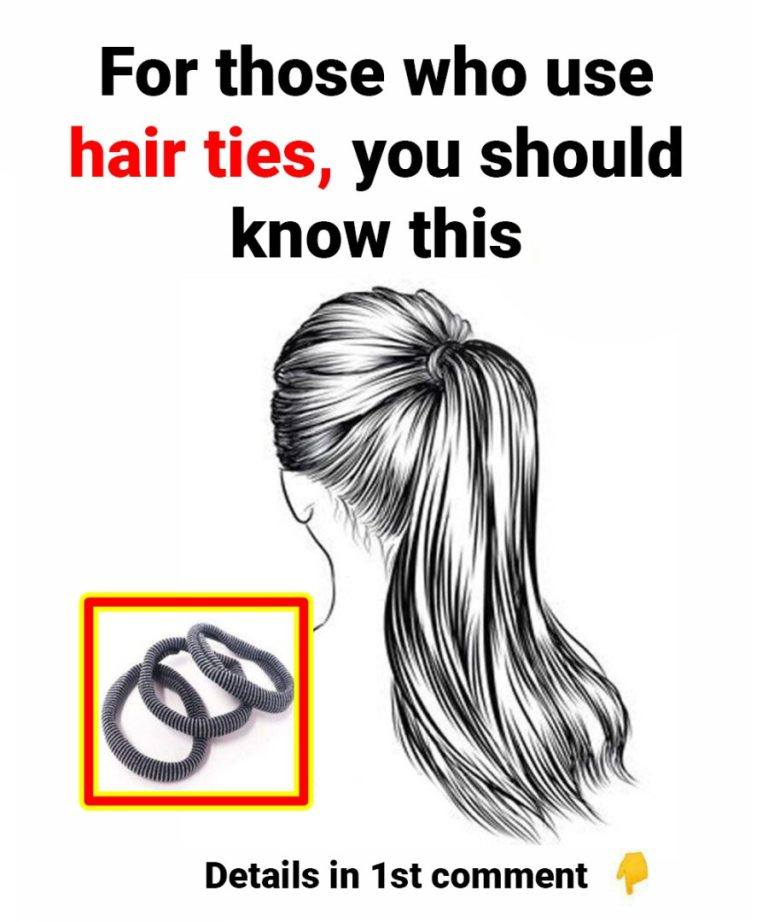
Hair Ties Can Cause More Damage Than You Think
Hair ties are one of the most common hair accessories in the world. Almost everyone who has medium to long hair uses them daily—whether to tie a quick ponytail before heading out, secure hair during workouts, or keep strands out of the face while working or sleeping. They are inexpensive, convenient, and often overlooked as a potential source of harm.
In this article, we’ll explore how hair ties can affect your hair, scalp, and overall health, why certain types are worse than others, and what you can do to protect your hair while still enjoying the convenience of tying it up.
1. Hair Breakage and Split Ends
One of the most common problems caused by hair ties is hair breakage.
How Hair Ties Cause Breakage
Hair ties place constant tension on the hair strands. When hair is pulled tightly into a ponytail, bun, or braid, the elastic compresses the hair shaft. Over time, this repeated stress weakens the hair, causing it to snap—especially at the point where the tie sits.
Traditional elastic hair ties with a rubber core and fabric covering are particularly damaging. The rubber grips the hair too tightly, while the fabric creates friction when the tie is removed.
Signs of Hair Tie Damage
Short, broken hairs around the crown
Increased split ends
Hair snapping when brushing or styling
Who Is Most at Risk?
People with fine or fragile hair
Those with chemically treated hair (bleached, relaxed, or colored)
Individuals who wear tight ponytails or buns daily
2. Hair Thinning and Traction Alopecia
What Is Traction Alopecia?
Traction alopecia occurs when hair is pulled too tightly for long periods. This constant tension damages the hair follicles, causing inflammation and, eventually, hair loss.
It often starts subtly, with thinning along the hairline or crown, but can become permanent if the pulling continues.
Continue reading…
