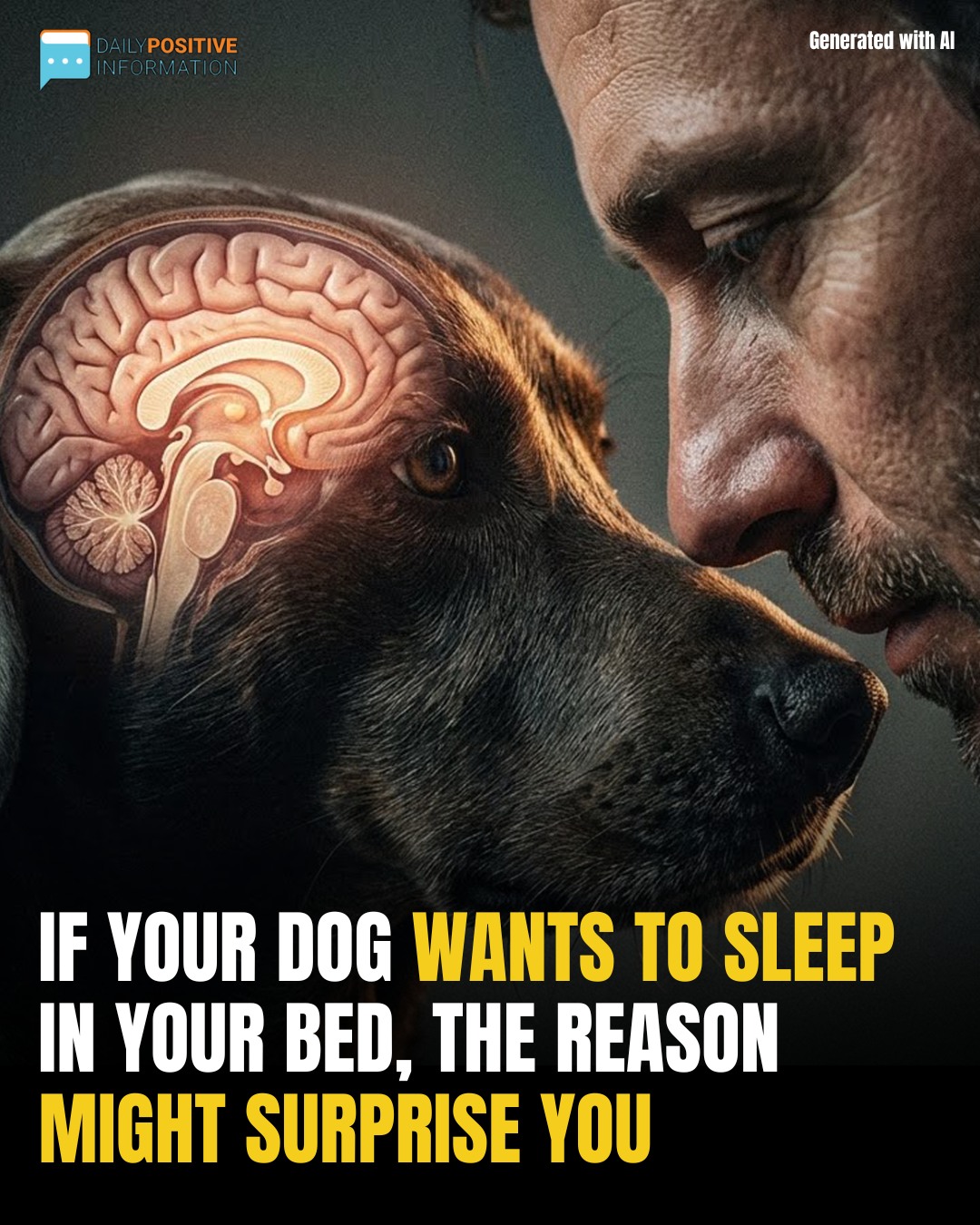
Your Dog Isn’t Stealing Your Bed for the Reason You Think
If you’ve ever woken up clinging to the edge of your mattress while your dog sprawls luxuriously across the center, you’ve probably asked yourself the same question countless pet owners do:
You might assume it’s about dominance. Or stubbornness. Or maybe your dog is just being selfish.
But here’s the surprising truth: your dog isn’t stealing your bed for the reason you think. In fact, the behavior has far less to do with control or entitlement—and much more to do with instinct, biology, comfort, and emotional connection.
Understanding why your dog wants to sleep where you do can completely change the way you see this nightly ritual—and may even deepen your bond.
Let’s unpack what’s really going on when your dog takes over your bed.
The Common Myths About Dogs Stealing Beds
Before diving into the real reasons, it’s important to clear up a few persistent myths.
Myth #1: Your Dog Is Trying to Be the “Alpha”
For decades, dog owners were told that dogs are constantly trying to assert dominance over humans. According to this outdated theory, a dog taking your bed is an attempt to claim territory or establish leadership.
Dogs don’t view humans as pack rivals in the way wolves might compete for rank. Most bed-sharing behavior has nothing to do with power and everything to do with comfort, safety, and social bonding.
Myth #2: Your Dog Is Being Disrespectful
Dogs don’t understand beds as “yours” or “theirs” unless you teach specific boundaries. They aren’t intentionally ignoring your rules out of spite.
When your dog hops onto your bed, they aren’t being rude—they’re responding to instincts that long predate mattresses.
Myth #3: Your Dog Just Likes Soft Things
While comfort is part of the equation, it’s far from the whole story. If softness were the only factor, any cushion would do. But many dogs prefer your bed specifically, even when other comfy options are available.
So what’s really going on?
At the core of this behavior is something deeply biological.
Dogs Are Social Sleepers by Nature
Dogs evolved from wolves, and wolves rarely sleep alone. In the wild, pack members sleep together for:
Warmth
Protection
Social bonding
Sleeping close increases survival. It keeps vulnerable pack members safe and strengthens group cohesion.
Even though your dog doesn’t need protection from predators in your bedroom, their brain still follows ancient wiring.
To your dog, sleeping near you feels natural and safe.
You Smell Like Safety
One of the most overlooked reasons dogs steal beds is scent.
Your Scent Is Comforting
Dogs experience the world primarily through smell. Your scent tells your dog:
You are familiar
You are safe
You belong together
Your bed is saturated with your scent—far more than the couch or a dog bed across the room. Curling up where you sleep allows your dog to feel emotionally secure, especially during the most vulnerable time of day: rest.
This is especially true for:
Rescue dogs
Dogs with anxiety
Dogs who are deeply bonded to one person
To them, your bed isn’t furniture—it’s an emotional anchor.
Body Heat Is a Big Deal (Even If You Don’t Think So)
Another powerful factor is warmth.
Dogs love heat. Your body produces a steady, comforting temperature that no blanket or heating pad can perfectly replicate.
Even breeds with thick coats seek out warmth, especially:
Older dogs with joint pain
Small dogs with faster heat loss
Dogs in cooler climates
Your bed becomes the warmest, most consistent heat source in the house.
And once your dog finds the warm spot? They’re not eager to give it up.
Your Dog Isn’t Stealing Space—They’re Seeking Proximity
Many owners feel annoyed because their dog doesn’t just sleep near them, but sprawls sideways or presses against them.
This isn’t about crowding you out.
Physical Contact Releases Feel-Good Hormones
When dogs sleep touching someone they trust, their bodies release oxytocin—the same hormone associated with bonding and affection.
The same thing happens in humans.
This is why:
Dogs often sleep back-to-back with their favorite person
Some dogs press their paws or bodies against you
Others insist on resting their head on your legs or chest
Your dog isn’t trying to claim the bed—they’re reinforcing emotional closeness.
The Bed Represents You—Even When You’re Not There
Have you ever noticed your dog sleeping on your bed when you’re not home?
That’s not coincidence.
Your bed holds:
Your strongest scent
Familiar textures
Emotional association with rest and safety
When you’re gone, your dog may seek out your bed to self-soothe.
This behavior is particularly common in dogs with mild separation anxiety. Being near your scent helps regulate their stress levels.
Why Dogs Always Take the Middle
Let’s address the most frustrating part: why dogs always end up in the exact center of the bed.
This isn’t a calculated move.
Instinctively, the Center Is the Safest Spot
In the wild, sleeping in the middle of the group offers protection from threats. Edges are more exposed.
Your dog’s instincts don’t recognize that your bedroom is predator-free. The center still feels like the safest, most stable place.
Add in warmth from both sides, and you’ve got prime sleeping real estate.
Puppies vs. Adult Dogs: Why Age Matters
Puppies
Puppies are especially likely to seek out your bed because:
They’re adjusting to a new environment
They crave reassurance
They’re used to sleeping in a pile with littermates
Sleeping alone can feel unnatural and frightening at first.
Adult Dogs
Adult dogs may develop bed-sharing habits because:
They’ve learned it’s allowed
They’ve bonded deeply with you
They associate your bed with calm and routine
Once established, this behavior becomes comforting and habitual.
Is It Bad to Let Your Dog Sleep in Your Bed?
This is one of the most debated topics among dog owners—and the answer is nuanced.
Potential Benefits
Strengthens bonding
Helps anxious dogs feel secure
Can improve sleep for some people
Releases calming hormones in both dog and owner
Continue reading…
