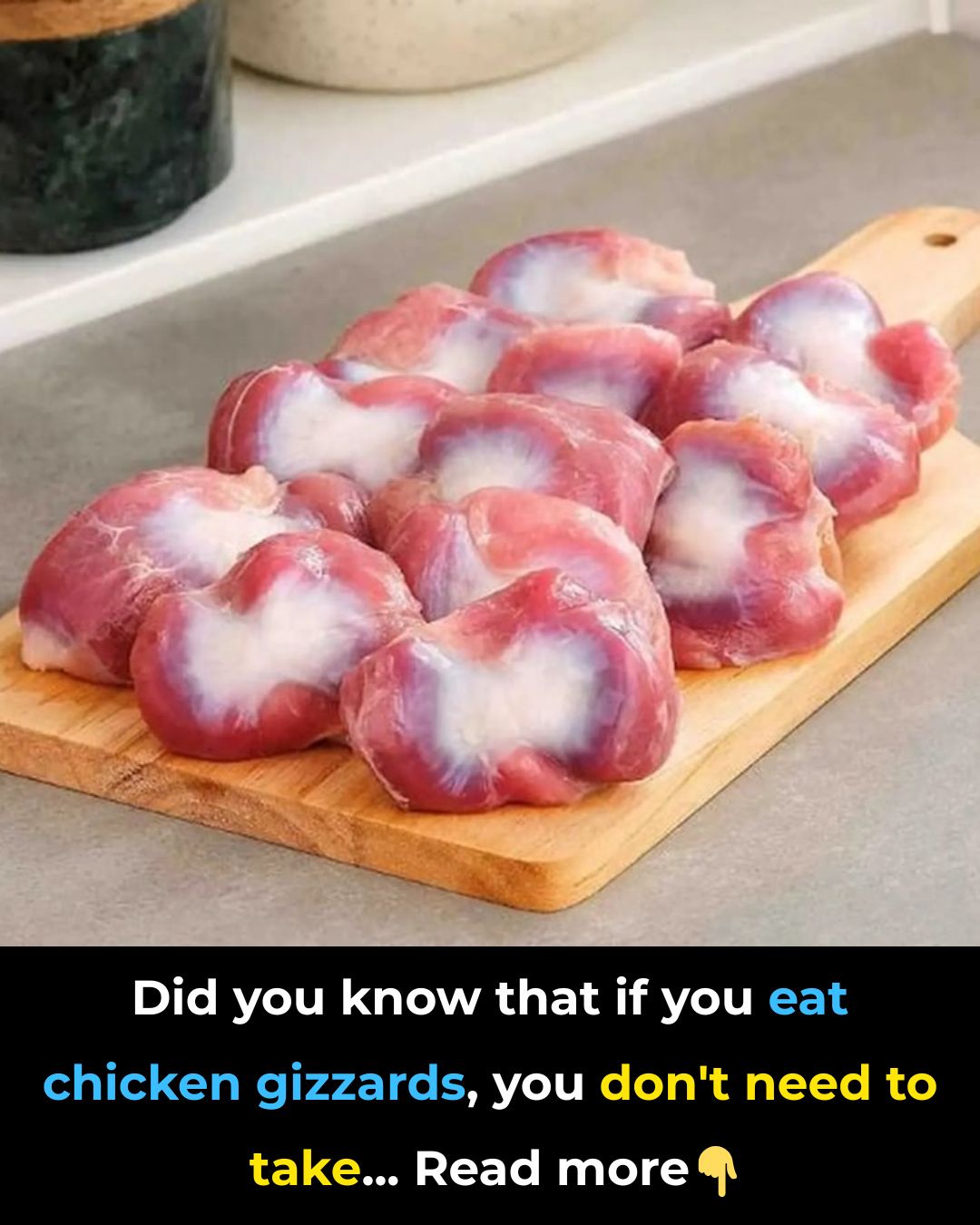
🍗 Did You Know? Chicken Gizzards Are a Nutritional Powerhouse Worth Trying
When it comes to healthy, affordable, and protein-rich foods, chicken often tops the list. But most of us only think of chicken breasts, thighs, or wings—rarely do we consider the humble gizzard. Yet chicken gizzards are a nutritional powerhouse, packed with vitamins, minerals, and protein that can enhance your diet.
What Are Chicken Gizzards?
A gizzard is part of a chicken’s digestive system. Specifically, it’s a muscular organ that helps grind food before it enters the intestines. Because gizzards are used heavily for grinding, the meat is lean, dense, and rich in nutrients.
Though they might seem unusual or tough to some, chicken gizzards are commonly eaten around the world—from African stews to Filipino adobo and Southern fried gizzards in the United States.
Nutritional Profile of Chicken Gizzards
Chicken gizzards are low in fat, high in protein, and full of essential nutrients. Here’s a breakdown per 100 grams (about 3.5 ounces) of cooked chicken gizzards:
Calories: 94 kcal
Protein: 18 g
Fat: 2.1 g
Iron: 2.7 mg (15% DV)
Zinc: 3 mg (20% DV)
Vitamin B12: 1.3 µg (54% DV)
Niacin (Vitamin B3): 4 mg (25% DV)
From this, it’s clear that gizzards are protein-dense and nutrient-rich while remaining low in calories, making them perfect for people aiming to build muscle, lose weight, or simply eat healthier.
Health Benefits of Eating Chicken Gizzards
1. Muscle Growth and Repair
With 18 grams of protein per 100 grams, gizzards are ideal for muscle building and repair. Protein is essential for your muscles, skin, and immune system, and the amino acids in gizzards are easily digestible.
Chicken gizzards are packed with B-vitamins, particularly vitamin B12 and niacin. These vitamins are crucial for converting food into energy, supporting brain function, and maintaining a healthy nervous system.
3. Supports Immune Health
Gizzards provide zinc and iron, both essential for immunity. Zinc is vital for white blood cell function, while iron helps prevent fatigue and supports oxygen transport in the blood.
4. Heart-Friendly Protein
Unlike fatty cuts of meat, gizzards are low in fat, which makes them a heart-friendly protein source. Including lean protein in your diet can help regulate cholesterol and support overall cardiovascular health.
5. Rich in Collagen and Connective Tissue
Because gizzards are highly muscular, they contain collagen and connective tissue, which may support joint health and improve skin elasticity when cooked properly.
How to Prepare Chicken Gizzards
Despite their tough texture, gizzards can be delicious when cooked correctly. Here are some popular methods:
1. Boiling and Stewing
Boiling gizzards slowly for 1–2 hours can make them tender.
Try adding them to soups, stews, or broths with vegetables and spices.
2. Frying
Deep-fried or pan-fried gizzards are crispy on the outside and tender inside.
Coat with flour, cornmeal, or breadcrumbs and season with your favorite spices.
3. Grilling
Marinate gizzards in garlic, soy sauce, or spices and grill them on skewers.
This method adds a smoky flavor and keeps them chewy but not tough.
4. Pressure Cooking
Using a pressure cooker reduces cooking time while softening the gizzards.
Perfect for busy cooks who want tender meat quickly.
Global Recipes Featuring Chicken Gizzards
Filipino Adobong Balunbalunan – Gizzards simmered in soy sauce, vinegar, garlic, and bay leaves.
Southern Fried Gizzards – Breaded and deep-fried for a crunchy snack.
West African Peppered Gizzards – Spicy and tender, often served with rice or yam.
Continue reading…
