1. Background: What Sparked the Protests
In early January 2026, federal law enforcement operations led by Immigration and Customs Enforcement (ICE) in Minneapolis, Minnesota erupted into one of the most contentious flashpoints in U.S. immigration politics in years. The immediate crisis centered on two fatal shootings by federal agents during immigration actions that drew national attention and mass protests.
1.1 Minneapolis Shootings and Rising Tensions
The first major incident occurred January 7, when ICE agents fatally shot 37-year-old Renée Nicole Good during a federal operation in Minneapolis. The Department of Homeland Security (DHS) under Secretary Kristi Noem maintained the officer acted in self-defense, claiming the vehicle was used as a weapon — a characterization disputed by local authorities and community members.
These deaths led to wide-ranging protests, including large marches, community rallies, labor actions, and calls from local leaders for federal agents to leave Minnesota.
2. Noem’s Defense of ICE and Federal Enforcement
2.1 Standing Behind Officers
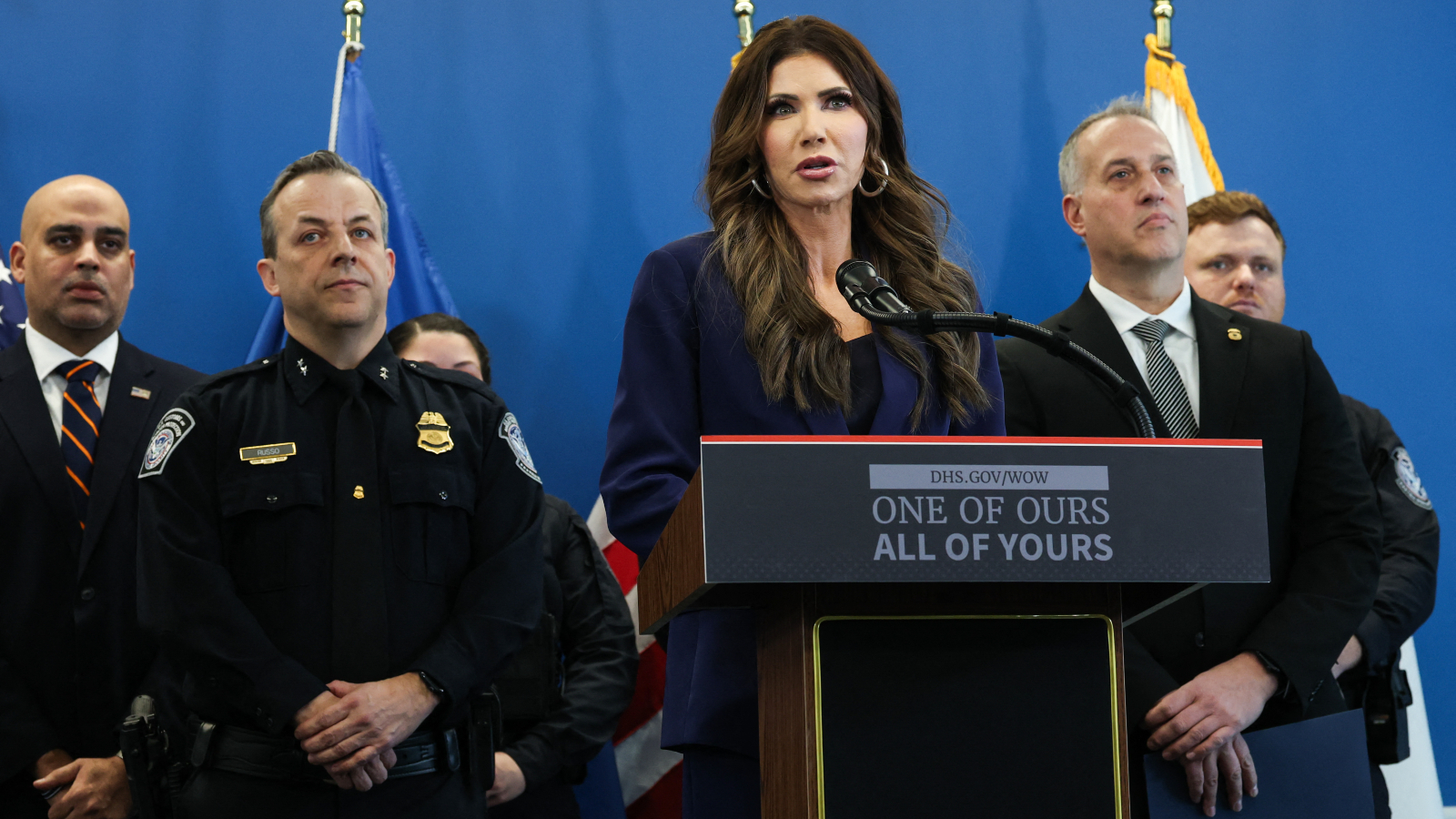
Kristi Noem, serving as Homeland Security Secretary in the Trump administration, has taken a firm and public stance in backing federal officers, including ICE agents. She has repeatedly made statements asserting that ICE officers — including the one involved in the Good shooting — followed training and acted appropriately under perceived threats.
In press appearances and briefings, Noem described these shootings as tragic but defensible, and she condemned protest movements that she portrayed as creating dangerous conditions for law enforcement. She has emphasized that federal agents put themselves at risk daily and that their roles are essential for public safety and upholding immigration law.
Her rhetoric frames the protests not merely as demonstrations but as threats to law enforcement stability, at times blurring the line between lawful protest and what she has labeled harmful obstruction.
Noem’s Core Messaging
Across her statements, the main points have included:
-
The ICE officer in Minneapolis “followed his training” in the fatal shooting.
-
Law enforcement officers “put their lives on the line” and deserve unwavering support.
-
Continued federal presence is necessary, and there are no plans to pull agents out of Minnesota despite local backlash.
3. Federal Policy Changes Amid the Backlash
3.1 Body-Worn Cameras for DHS Officers
This decision comes after heightened scrutiny over the deadly shootings and pressures from lawmakers and civil rights advocates. It signals an attempt to balance federal enforcement actions with demands for accountability without altering core operational
Continue reading…
