What Happened? The Grand Jury Move Explained
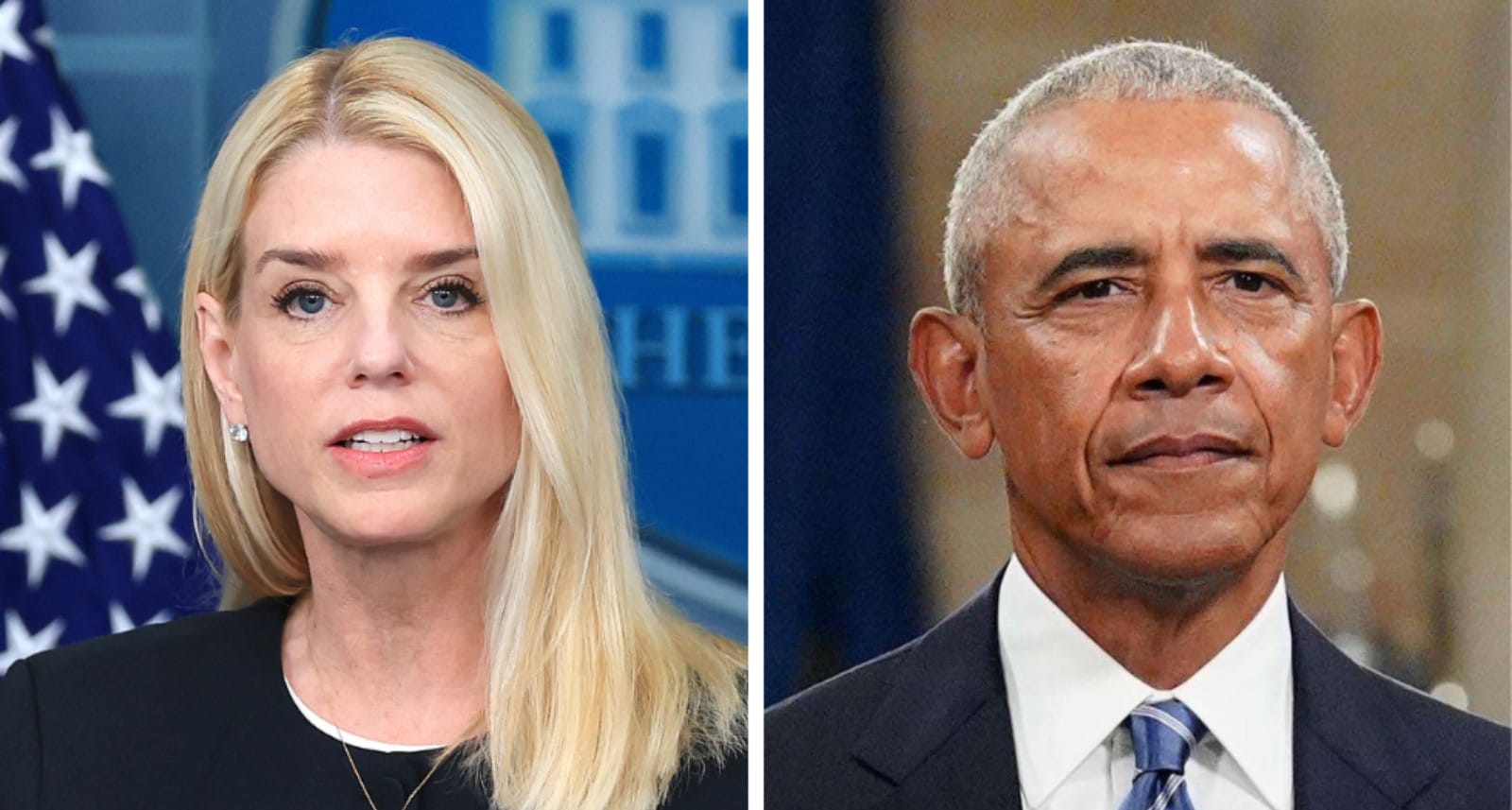
In August 2025, U.S. Attorney General Pam Bondi directed the Justice Department (DOJ) to launch a federal grand jury investigation into former Obama administration officials over their handling of intelligence regarding Russian interference in the 2016 U.S. presidential election.
According to Axios and Reuters, federal prosecutors were even preparing grand jury subpoenas related to 2016 Russia election intelligence.
The investigation was initiated on the basis of a criminal referral from the Director of National Intelligence, Tulsi Gabbard, who contended that officials “manufactured and politicized intelligence” that painted a false narrative about Russian interference that could have helped Donald Trump in 2016.
President Trump publicly praised Bondi’s action as advancing accountability for alleged wrongdoing.
🧠 2. Background: The Russia Inquiry & Previous Investigations
To understand the significance of this development, we need to look back to the original Trump-Russia investigations:
🧩 Mueller Investigation
In 2017, Special Counsel Robert Mueller was appointed to investigate Russian interference in the 2016 election, including potential coordination with the Trump campaign.
Mueller concluded that Russia conducted “sweeping and systematic” interference — including social media influence campaigns and hacking Democratic Party emails — but did not establish a criminal conspiracy between the Trump campaign and Russian officials.
A bipartisan Senate report (released 2019–2020) documented Russia’s interference efforts and the intelligence community’s response, reinforcing that interference was real and aimed to undermine democratic processes.
🪖 Inspector General Review
An FBI Inspector General review of the Crossfire Hurricane investigation found that the probe was properly predicated and did not find that political bias influenced its initiation.
🕵️ Durham Investigation
Former Trump-appointed special counsel John Durham examined the origins of the Russia probe. His investigations produced debate over intelligence document credibility, but did not culminate in charges against top officials.
📎 3. The Bondi Grand Jury: What It Means
A grand jury does not decide guilt — it decides whether there is probable cause to indict. Prosecutors present evidence to jurors in private; if 12 or more jurors agree, an indictment can be returned.
This is unusual for several reasons:
Historical — last decade of intelligence action: The investigation targets actions and a report produced nearly ten years prior. Many statutes of limitations could already have expired.
Reopening a settled matter: Trump-era and post-Mueller intelligence reviews all agreed Russia interfered in the election. Bondi’s grand jury revisits whether the intelligence itself was legitimately produced or manipulated.
Political stakes: If indictments were pursued (no indictments have been publicly announced to date), this could place former officials like John Brennan, James Clapper, and James Comey in legal jeopardy — though none have been charged.
🧩 4. The Allegations Behind It
The criminal referral underlying the grand jury is grounded in claims that:
Senior Obama officials improperly crafted intelligence to create a narrative portraying Trump as tied to Russia.
This intelligence, critics argue, was “manufactured” and “politicized,” concealing evidence that Russia’s interference did not alter vote outcomes.
Supporters of this view point to newly declassified documents that they say reveal intelligence community actions that suppressed certain information, and argue the community created an unjustified narrative.
Whether this evidence is credible enough to support criminal charges remains a central question.
🔍 5. Legal and Constitutional Issues
🧑⚖️ Statute of Limitations
Many federal crimes carry a statute of limitations — often five years — meaning actions from 2016 might be too old to prosecute. Prosecutors might use approaches like conspiracy charges or continuing offenses, but legal hurdles are significant.
📜 Role of Intelligence
Intelligence assessments are policy and national security instruments, seldom the subject of criminal charges unless clear evidence of fraud, deception, or obstruction exists. Bringing criminal liability against national security officials for how they interpreted or reported intelligence could upend longstanding norms.
🏛️ Grand Jury as Political Tool?
Critics argue the grand jury is being used as a political weapon rather than a genuine quest for justice — a phenomenon known as “weaponization of the justice system.”
Supporters counter that accountability should be applied wherever wrongdoing is apparent, no matter how powerful the subject.
⚖️ 6. Responses & Reactions
🟢 From the Trump Supporters and Bondi Camp
They argue that recent disclosures vindicate allegations of improper intelligence practices and justify a thorough legal review.
President Trump publicly supported the grand jury probe.
🔴 From Critics & Legal Experts
Many legal analysts have called the grand jury move a political stunt lacking substantive legal grounding. A former prosecutor called it “absurd” and an attack on norms.
Critics also emphasize that Mueller and bipartisan Senate reports already thoroughly documented Russian interference and intelligence assessments.
⚪ Centrist & Independent Views
Some legal observers see the grand jury as a vehicle to compel testimony and uncover documents, though they remain skeptical that it will result in indictments.
📊 7. Broader Political and Policy Implications
🧭 Rule of Law vs. Political Retaliation
Debates over whether this grand jury is genuine accountability or retaliation mirror broader tensions about the integrity of U.S. institutions. Using criminal investigations against political predecessors is historically rare and controversial.
📉 Trust in Intelligence and DOJ
The move may deepen skepticism about intelligence assessments — both among those who believe they were politicized and those who trust longstanding intelligence community conclusions.
🗳️ Election Interference Narrative
This development reopens public debate about the 2016 election’s integrity, though past investigations consistently affirmed that Russia interfered, even if not changing the outcome.
Continue reading…
