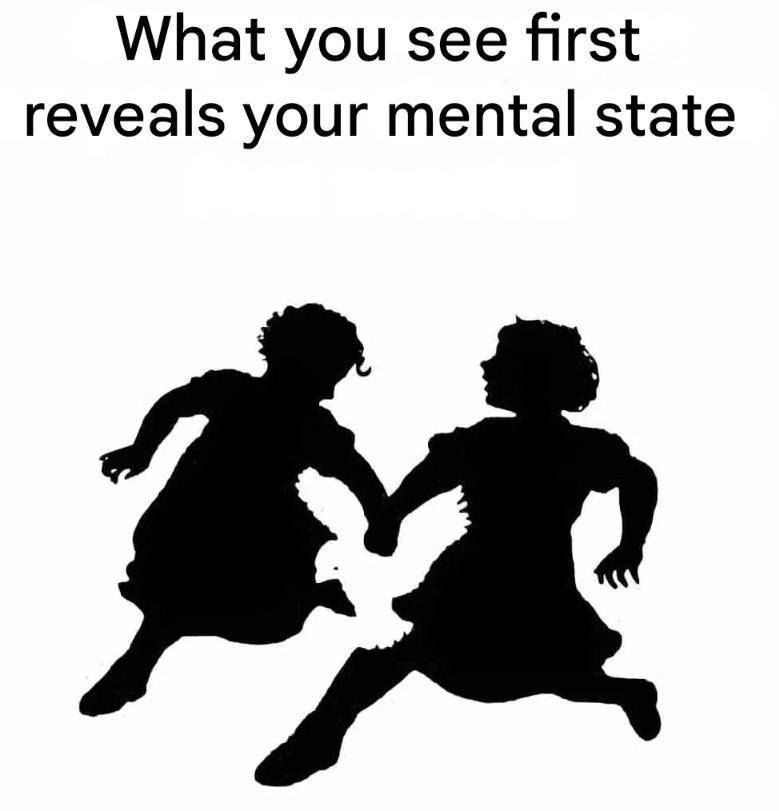
What Your Perception Reveals About Your Mental Well-Being
Perception is more than just how we see the world—it is how we experience it. Every sound, thought, memory, and emotion is filtered through perception before it becomes part of our reality. Two people can live through the same event and walk away with completely different interpretations, emotional responses, and long-term effects. Why? Because perception is shaped by our mental well-being.
This article explores how perception is formed, how it connects to mental well-being, and what different perceptual patterns can reveal about your inner world. Most importantly, it shows how becoming aware of your perception can help you improve your mental health and overall quality of life.
1. Understanding Perception: More Than the Five Senses
At a basic level, perception is the process through which the brain interprets sensory information. Light hits the eyes, sound reaches the ears, and signals travel to the brain, which then assigns meaning. But perception goes far beyond biology.
Your past experiences, beliefs, emotions, cultural background, and current mental state all shape how you interpret what you perceive. This means perception is not a passive process—it is active. Your mind is constantly filling in gaps, predicting outcomes, and assigning emotional weight to what you experience.
For example:
A neutral comment may feel supportive to one person and critical to another.
Silence can feel peaceful to someone calm and threatening to someone anxious.
A challenge can be perceived as an opportunity or as a confirmation of failure.
2. The Mind as a Filter: How Mental Health Shapes Perception
Mental well-being influences perception in subtle but powerful ways. When your mental health is stable, your perception tends to be flexible, balanced, and grounded in reality. When mental health struggles arise, perception often becomes rigid, distorted, or emotionally charged.
Anxiety and Perception
Anxiety heightens perception of threat. The brain becomes hyper-alert, scanning constantly for danger. As a result:
Neutral situations may feel risky
Small problems may feel catastrophic
Ambiguity may feel intolerable
Depression and Perception
Depression often dulls perception. Colors feel less vibrant, motivation fades, and even positive experiences may feel empty or undeserved. Common perceptual patterns include:
Seeing the future as hopeless
Interpreting setbacks as personal failures
Minimizing achievements
Depression doesn’t just change how you feel—it changes what you notice. Your mind selectively focuses on loss, disappointment, and inadequacy, reinforcing the depressive state.
Stress and Burnout
Chronic stress narrows perception. When overwhelmed, the brain prioritizes survival and efficiency over nuance. This can lead to:
Black-and-white thinking
Irritability
Reduced empathy
Difficulty seeing long-term perspectives
If you perceive everything as urgent, exhausting, or irritating, your perception may be signaling mental overload rather than actual external pressure.
3. Cognitive Biases: The Hidden Shapers of Perception
Cognitive biases are mental shortcuts that help us process information quickly—but they can distort perception. Everyone has them, but mental well-being affects how strongly they influence us.
Some common biases include:
Negativity Bias
The tendency to focus more on negative experiences than positive ones. When mental well-being is low, this bias becomes stronger, making life feel harsher than it actually is.
Confirmation Bias
The tendency to notice information that confirms existing beliefs. If you believe you’re unworthy or incapable, your perception will selectively gather “evidence” to support that belief.
Personalization
Interpreting events as being about you when they’re not. This often reflects low self-esteem or anxiety.
Recognizing these biases doesn’t mean ignoring reality—it means understanding that perception is not always objective. Mental well-being improves when perception becomes more balanced and less dominated by automatic distortions.
4. Emotional States as Lenses
Emotions are powerful perceptual lenses. They color everything you see, hear, and remember.
When you’re joyful, the world feels open and full of possibility.
When you’re angry, everything feels like an offense.
When you’re sad, the world feels heavy and slow.
None of these perceptions are “wrong,” but they are temporary states—not permanent truths. Problems arise when we mistake emotional perception for objective reality.
Mental well-being involves the ability to recognize:
“This is how I’m seeing things right now, not necessarily how they truly are.”
That awareness creates psychological flexibility—the ability to step back from perception rather than being controlled by it.
5. Self-Perception and Mental Well-Being
How you perceive yourself may be the strongest indicator of mental health.
Healthy Self-Perception
Balanced view of strengths and weaknesses
Ability to accept mistakes without excessive shame
Sense of worth not entirely dependent on external validation
Unhealthy Self-Perception
Harsh inner criticism
Feeling fundamentally flawed or “not enough”
Defining self-worth solely through productivity or approval
If your perception of yourself is consistently negative, it’s rarely because it’s accurate—it’s often because your mental well-being needs care and support.
6. Perception of Others: Trust, Threat, and Connection
Your mental state also shapes how you perceive other people.
When emotionally secure, you’re more likely to interpret others’ actions generously.
When insecure or hurt, you may perceive rejection, judgment, or hostility where none was intended.
This doesn’t mean your perceptions are imaginary—it means they are influenced by past experiences and emotional wounds. Mental well-being improves when perception becomes curious rather than defensive.
7. The Role of Past Experiences and Trauma
Past experiences—especially painful or traumatic ones—leave perceptual imprints. Trauma can train the brain to expect danger, even in safe environments.
Common trauma-influenced perceptual patterns include:
Hypervigilance
Difficulty trusting positive experiences
Emotional numbing or detachment
These perceptions are not character flaws; they are survival strategies. Healing involves gently updating perception to match present reality rather than past threat.
8. Reality vs. Interpretation: Learning to Tell the Difference
One of the most powerful mental health skills is learning to separate:
What happened
What you think it means
For example:
Fact: Someone didn’t reply to your message.
Interpretation: “They don’t care about me.”
Mental well-being improves when you question interpretations instead of accepting them automatically. This doesn’t invalidate your feelings—it gives them context.
9. Perception as a Feedback System
Your perception provides constant feedback about your mental state. Ask yourself:
Do I see the world as hostile or supportive?
Do I expect failure or growth?
Do I view challenges as threats or learning experiences?
These patterns don’t define you—but they do reveal where your mental well-being currently stands.
10. Improving Mental Well-Being by Working With Perception
You don’t need to change reality to improve mental health—you often need to change how you relate to it.
Practices that Help:
Mindfulness: Noticing perceptions without judgment
Cognitive reframing: Challenging distorted interpretations
Self-compassion: Softening harsh self-perception
Therapy: Exploring deeper perceptual patterns
Rest and regulation: Improving perception by calming the nervous system
As mental well-being improves, perception naturally becomes clearer, more flexible, and more compassionate.
11. When Perception Becomes a Warning Sign
Sometimes perception signals the need for professional help. Consider reaching out if you notice:
Persistent feelings of unreality or detachment
Continue reading…
