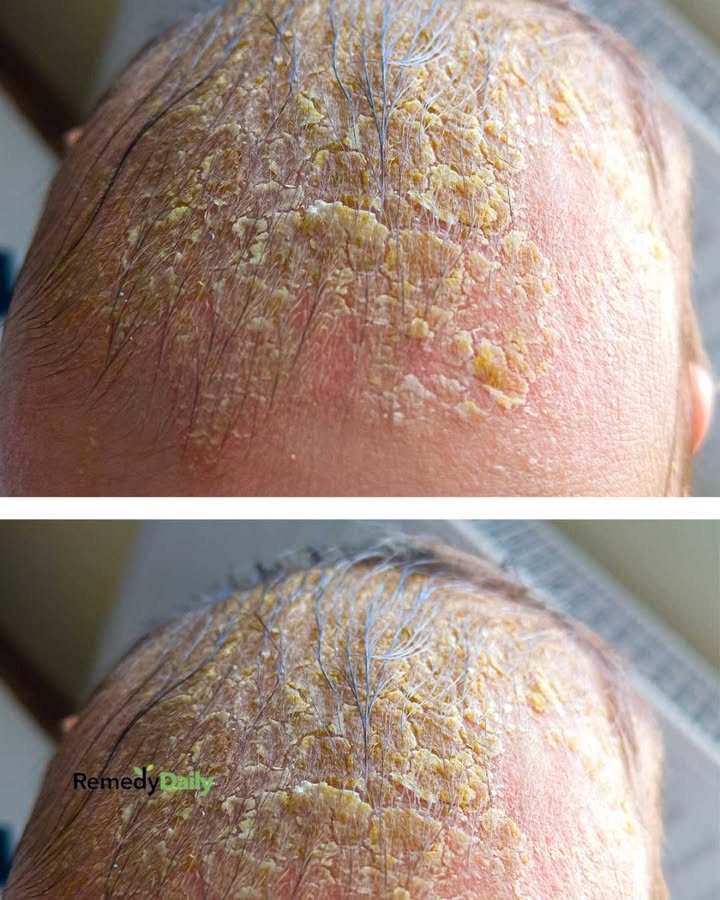
What Could It Be?
Finding yellow, oozing crusts on your scalp that don’t heal can be alarming. It may itch, hurt, smell unpleasant, or bleed when scratched. Hair may stick together or fall out in patches. And when clinic waitlists are long, the uncertainty can make everything worse.
First: What Does “Yellow Crust” Usually Mean?
Yellow crusting almost always means fluid is leaking from the skin—either:
Serum (clear/yellow fluid from inflammation)
Pus (a sign of infection)
Or both
When that fluid dries, it forms the honey-colored or yellow crust people often describe.
That narrows things down to a few main categories:
Bacterial infection
Fungal infection
Autoimmune or chronic skin conditions
1. Impetigo (Common, Very Crusty, Very Contagious)
Impetigo is a superficial bacterial skin infection, most often caused by Staphylococcus aureus or Streptococcus.
Typical signs
Thick honey-yellow crusts
Oozing or weeping skin
Can spread quickly with scratching
Often itchy, sometimes painful
On the scalp?
Yes—especially if there was:
Scratching from dandruff or eczema
A small cut, insect bite, or pimple
Tight hairstyles or hats causing friction
Why it won’t heal
Impetigo usually requires antibiotics. Without them, it can linger or spread.
2. Infected Seborrheic Dermatitis (Very Common)
Seborrheic dermatitis is the medical term for severe dandruff, but when it becomes inflamed and infected, it can look scary.
Typical signs
Greasy yellow scales or crusts
Red, inflamed skin underneath
Intense itching
Flaking around:
Scalp
Hairline
Ears
Eyebrows
Sides of the nose
Why it oozes
Constant inflammation + scratching can cause the skin to weep fluid, which dries into yellow crusts. Bacteria can then move in.
Why it doesn’t heal on its own
Seborrheic dermatitis is chronic and often needs:
Antifungal treatment
Anti-inflammatory medication
Sometimes antibiotics if infected
3. Folliculitis (Infected Hair Follicles)
Folliculitis happens when hair follicles become infected, usually by bacteria.
Typical signs
Small pustules or sores around hair follicles
Yellow crusting after they break open
Tender or sore scalp
Hair may fall out temporarily
Triggers
Sweat
Tight hats or helmets
Shaving or traction
Scratching an itchy scalp condition
When severe, folliculitis can merge into large oozing patches.
4. Tinea Capitis (Fungal Scalp Infection / “Scalp Ringworm”)
Despite the name, this is a fungal infection, not a worm.
Typical signs
Scaly patches
Broken hairs or hair loss
Sometimes yellow crusting and oozing
Swollen lymph nodes in neck (sometimes)
Important note
Tinea capitis does not respond to regular dandruff shampoos alone. It needs oral antifungal medication, which is why it often doesn’t heal without medical care.
5. Scalp Psoriasis With Infection
Psoriasis is an autoimmune condition that causes rapid skin turnover.
Typical signs
Thick plaques with silvery or yellow scale
Sharp borders
Burning or itching
Cracking and bleeding
If bacteria infect cracked plaques, they can ooze and crust.
6. Contact Dermatitis (Allergic or Irritant Reaction)
Sometimes the problem starts with a reaction to:
Hair dye
Shampoo or conditioner
Essential oils
Hair treatments
Adhesives or wigs
Typical signs
Red, inflamed scalp
Weeping fluid
Crusting
Burning or itching
If scratching continues, infection can set in.
Why Scalp Wounds Are Slow to Heal
The scalp is a tricky place:
Constant moisture
Hair traps bacteria
Frequent touching and scratching
Hard to keep clean and dry
Once infection and inflammation feed each other, healing can stall.
What You Can Safely Do While Waiting to Be Seen
These steps won’t cure everything, but they may reduce worsening.
1. Stop Picking or Scratching (Hard but Crucial)
Every scratch:
Reopens the wound
Spreads bacteria
Delays healing
If itching is intense, try:
Cold compresses
Oral antihistamines (if safe for you)
2. Gentle Cleansing Only
Use:
Lukewarm water
Mild, fragrance-free shampoo
Wash once daily or every other day
Avoid:
Scrubs
Harsh dandruff shampoos unless advised
Essential oils
3. Don’t Occlude the Area
Avoid:
Thick oils
Heavy ointments
Tight hats
Moisture trapped against infected skin can worsen oozing.
4. Keep Nails Short and Clean
This reduces bacterial spread if you scratch in your sleep.
5. Watch for Red Flags
Seek urgent care or ER if you notice:
Fever
Rapidly spreading redness
Severe pain
Swelling of face or eyes
Thick pus with foul odor
Red streaks on skin
Sudden hair loss in clumps
What Treatment Often Involves (So You Know What to Expect)
Depending on the cause, a clinician may prescribe:
Topical antibiotics (for impetigo/folliculitis)
Oral antibiotics (if widespread)
Antifungal shampoo or pills
Topical steroids (to calm inflammation)
Combination therapy (very common)
This is why many scalp conditions do not heal without prescription treatment.
Can This Be Serious?
Most cases are treatable and not dangerous, but untreated infections can:
Spread
Scar
Cause permanent hair loss in severe casesContinue reading…
