Understanding the Link Between Your Blood Type and Health
Introduction
Blood is often described as the river of life, carrying essential nutrients, oxygen, and immune factors throughout the body. However, not all blood is the same. Human blood is classified into different types, primarily based on the presence or absence of certain antigens on the surface of red blood cells. These blood types, including the well-known ABO system and the Rh factor, are more than just a matter of transfusion compatibility. Emerging research suggests that blood type may influence overall health, susceptibility to certain diseases, and even dietary needs. This article explores the scientific link between blood type and health, including genetic, immunological, and lifestyle considerations.
Blood types are determined by specific antigens on the surface of red blood cells. The most widely recognized system is the ABO blood group system, which classifies blood into four types: A, B, AB, and O. Each type carries a different combination of A and B antigens:
Type A: Has A antigens on red blood cells and anti-B antibodies in the plasma.
Type B: Has B antigens on red blood cells and anti-A antibodies in the plasma.
Type AB: Has both A and B antigens and no anti-A or anti-B antibodies.
Type O: Has neither A nor B antigens but both anti-A and anti-B antibodies.
In addition to the ABO system, the Rhesus (Rh) factor classifies blood as either positive (+) or negative (−) depending on the presence of the D antigen. Combining ABO and Rh status gives the eight primary blood types: A+, A−, B+, B−, AB+, AB−, O+, and O−.
Blood types are inherited genetically, and they play a critical role in blood transfusions, organ transplants, and even pregnancy. However, recent studies indicate that they may also affect health beyond compatibility, influencing disease susceptibility, clotting tendencies, and immune responses.
2. Blood Type and Disease Susceptibility
2.1 Cardiovascular Health
Individuals with type O blood often have a lower risk of coronary artery disease compared to non-O blood types.
Type A and B blood types have been associated with higher levels of certain clotting factors, which may increase the risk of heart attacks and strokes.
The proposed mechanism involves the ABO antigens’ influence on von Willebrand factor (vWF) and factor VIII, proteins crucial for blood clotting. Elevated levels of these proteins can predispose individuals to thrombosis, which is a major contributor to cardiovascular events.
2.2 Infectious Diseases
Blood type can also affect susceptibility to infectious diseases:
Type O blood individuals may be less susceptible to severe malaria caused by Plasmodium falciparum, as their red blood cells are less prone to parasite-induced clumping.
Conversely, type A blood has been linked to a higher risk of severe outcomes from infections like smallpox and certain strains of norovirus.
The mechanism often involves interactions between blood antigens and pathogens. Some viruses and bacteria can use specific blood group antigens as attachment points, affecting infection rates and severity.
2.3 Cancer Risk
Emerging evidence indicates that blood type may influence cancer susceptibility:
Type A blood is associated with a slightly higher risk of gastric cancer and certain pancreatic cancers.
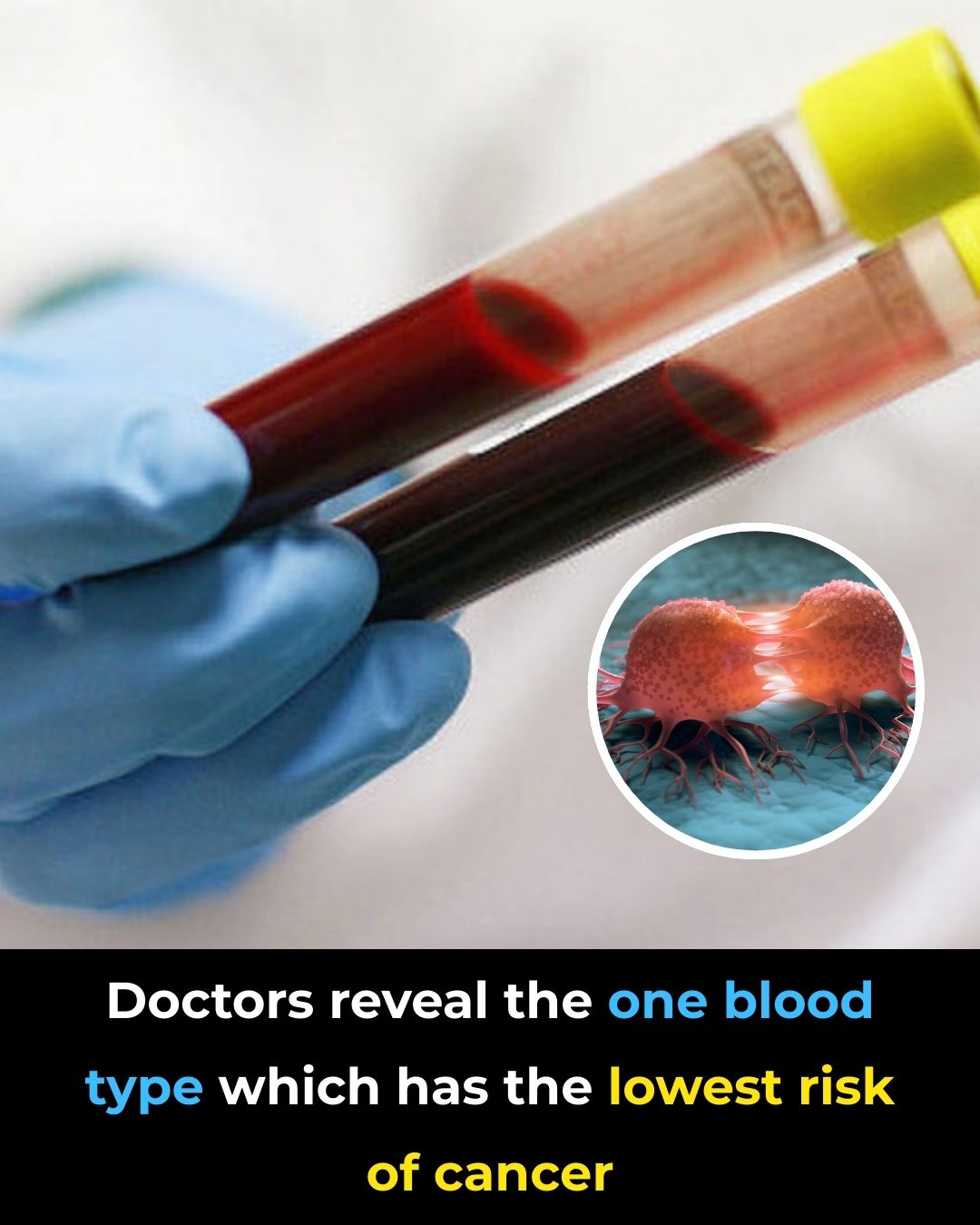
Type O blood seems to offer some protection against pancreatic cancer.
These associations may relate to differences in immune surveillance and inflammation levels between blood types. Blood type antigens can modulate immune cell interactions and tumor progression, though research is ongoing.
3. Blood Type and Digestive Health
Proponents of the blood type diet, popularized by Dr. Peter D’Adamo, suggest that blood type can influence digestive enzyme activity and gut microbiota composition:
Type O: Often described as “hunter” blood type, may benefit from a high-protein diet with lean meats and fewer grains.
Type A: Considered a “cultivator,” may thrive on plant-based diets with higher intake of vegetables and legumes.
Type B: Referred to as “nomad,” may tolerate dairy and moderate protein intake better.
Type AB: A combination type, may require a balanced diet with both plant and animal foods.
While the scientific evidence supporting strict blood-type diets is limited, research does show that blood type can influence gut microbiome diversity, potentially affecting digestion, metabolism, and inflammation.
4. Blood Type and Immune Function
Blood type antigens are not only present on red blood cells but also on the surfaces of many other tissues. They play a role in immune recognition, influencing susceptibility to autoimmune diseases and inflammation:
Type O blood: May have stronger innate immunity and lower risk of autoimmune conditions like type 1 diabetes.
Type A blood: Higher prevalence of certain autoimmune disorders and more robust antibody responses in some infections.
The exact mechanisms are complex, involving interactions between blood group antigens, antibodies, and immune cell signaling.
5. Blood Type and Pregnancy
Blood type is critical in pregnancy due to Rh incompatibility:
If an Rh-negative mother carries an Rh-positive fetus, she may develop antibodies against the fetal red blood cells, leading to hemolytic disease of the newborn (HDN) in subsequent pregnancies.
ABO incompatibility is generally less severe but can still cause mild jaundice in newborns if maternal antibodies attack fetal red blood cells.
Blood type-related complications in pregnancy highlight the importance of early screening and preventive measures, such as administering Rho(D) immune globulin.
6. Blood Type and Lifestyle Considerations
While genetics determine blood type, lifestyle factors can interact with blood type to influence health:
Exercise: Some research suggests that type O individuals may benefit from high-intensity workouts, while type A individuals may respond better to calming, low-intensity exercises like yoga.
Stress and Immunity: Blood type may influence cortisol response, affecting stress resilience and immune function.
Nutrition: Blood type may modulate lipid metabolism, influencing cholesterol levels and response to specific diets.
Although these links are intriguing, it’s important to emphasize that lifestyle choices—balanced diet, regular exercise, and stress management—have a much stronger impact on health than blood type alone.
Continue reading…
