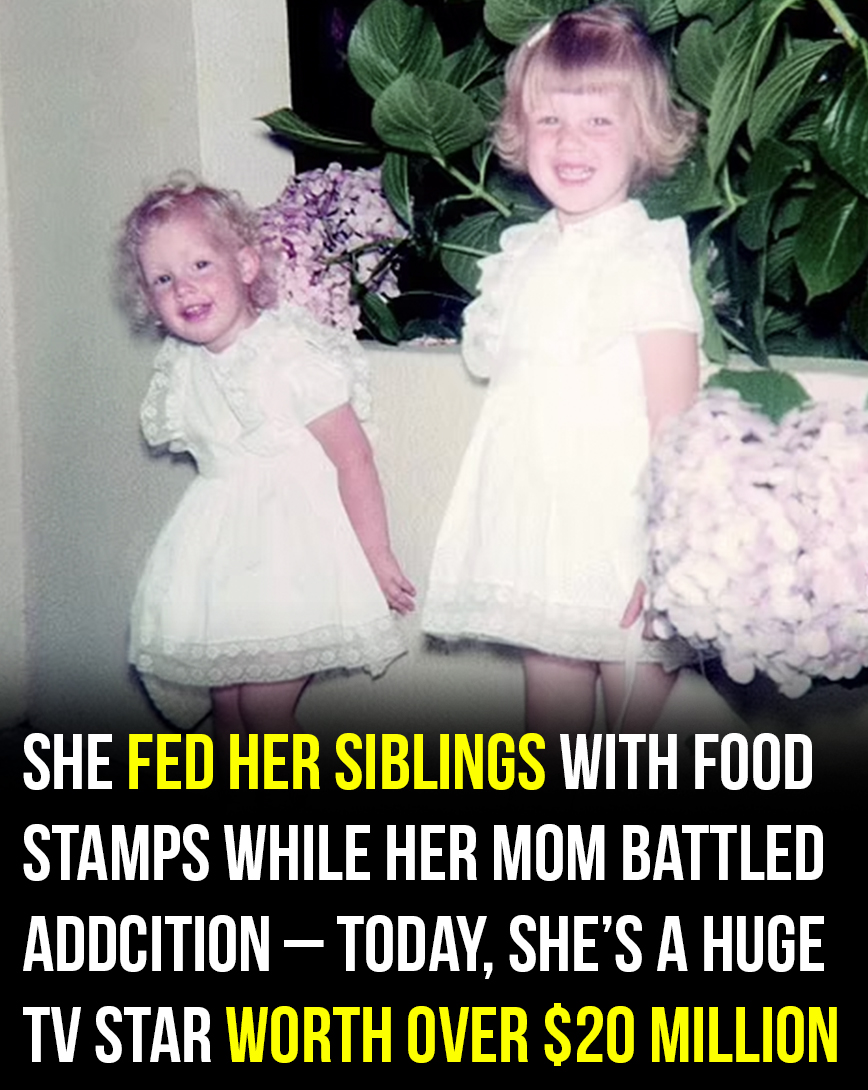
How Sandra Lee Turned a “Soul‑Crushing” Childhood into Culinary Success
Sandra Lee’s rise from hardship to culinary fame is a story of grit, resilience, and reinvention — the kind of journey that reshapes not only a life but an entire career. While millions recognize her as the enthusiastic host of Semi‑Homemade Cooking and a seasoned author and producer, few know the depth of struggle that shaped her early years. Her story is a testament to how adversity, when met with tenacity and creativity, can catalyze remarkable achievement.
Born in Santa Monica, California, in 1961, Sandra Lee’s earliest memories are far from the polished glamour often associated with television personalities. Though her parents began as high school sweethearts, the idyll quickly unraveled. Lee and her sisters were sent to live with their paternal grandmother, a cafeteria worker whose kitchen became a rare refuge — warm, filled with the smell of freshly baked goods, and staffed with love even if resources were scarce.
Life took another dramatic turn when her mother reentered their lives with a new husband and relocated the family to Washington. For the 11‑year‑old Lee, this transition marked the beginning of intense hardship. Her mother struggled with prescription drug addiction and, according to Lee’s later recounting in interviews and her memoir, was unable — or unwilling — to fulfil basic parental duties. Suddenly, Sandra was not just a child but a caretaker: cooking, cleaning, doing schoolwork, and tending to four younger siblings. With welfare and food stamps as the only means to feed the family, even purchasing a few eggs became fraught with anxiety. Lee remembers meticulously balancing plastic grocery bags on her bicycle handlebars to prevent the fragile contents from breaking on the way home.
The experience of redeeming food stamps at the grocery store — walking in line with those stamped coupons — was for Lee “mortifying.” She recalls standing in line next to classmates from more affluent homes, acutely aware of the social chasm between them. Such experiences left more than a dent in her wallet; they carved emotional scars she would revisit throughout her life.
2 | Responsibility Too Soon: Child Caretaker and Breadwinner
Forced into adult roles at a young age, Sandra learned to work — not by choice, but by necessity. To contribute money to the household, she took on jobs that many preteens would never imagine: raking leaves, picking berries, and even handcrafting and selling sewn potholders for a dollar a pair. These early hustles weren’t hobbies; they were survival strategies.
This period forged in her an incredible work ethic and a creative instinct for making more with less — traits that would later define her culinary philosophy on television. Her signature semi‑homemade approach — blending packaged products with fresh ingredients to produce beautiful meals — can be seen as a direct echo of her early years, when maximizing limited resources wasn’t just clever, it was essential.
Yet the emotional toll of caring for her siblings under such pressure was immense. Lee’s childhood was punctuated by moments of fear and trauma, including an incident where she called 911 after her mother ingested a bottle of pills — a moment compounded by physical abuse so severe that her injuries were visible long after. Her stepfather also crossed boundaries that left deeper wounds, as she later admitted.
3 | A Passion Ignited in Grandma’s Kitchen
This formative influence wasn’t just about food; it was about community, generosity, and the transformative power of sharing meals. These values later became cornerstones of Lee’s public persona: accessible, unpretentious, and deeply nurturing.
4 | Making It Big: Television Fame and Culinary Philosophy
It was in adulthood that Sandra Lee truly burst onto the public stage. Her big break came with Semi‑Homemade Cooking, which premiered on the Food Network in 2003 and aired for 15 seasons. The show’s premise — encouraging home cooks to combine packaged foods with fresh ingredients — resonated deeply with audiences who saw in her approach an achievable and joyful way of cooking.
Her charm and personality quickly made her a household name. She didn’t just teach recipes; she shared practical strategies for creating memorable meals without overwhelming costs or complexity. It was a philosophy rooted in her own experience — and it helped millions rethink what it meant to cook well. Her success isn’t just ratings and longevity; it’s the way she made food and cooking accessible to millions of people.
Lee’s influence extended beyond television. She authored more than two dozen books, launched a lifestyle magazine, and founded her own production company. Her accolades include a Daytime Emmy Award for Outstanding Lifestyle/Culinary Show Host — a rare honour in her category.
5 | Life Beyond the Kitchen: Relationships and Advocacy
Lee’s personal life also drew public attention. In 2001, she married philanthropist Bruce Karatz, converting to Judaism and entering a world far removed from her childhood experiences. But even in luxury and privilege, she remained grounded in the values that sustained her early on. When that marriage ended, she later entered into a high‑profile relationship with Andrew Cuomo, who would go on to serve as Governor of New York.
6 | The Lingering Impact of Childhood Hardship
Lee has never shied away from discussing the long‑lasting impact of her early years. Those experiences — of scarcity, responsibility, and survival — inform her work, her empathy, and her resilience. Even with fame and accomplishment, the memories of scrimping for food, balancing grocery bags, and caring for siblings in chaotic circumstances are etched deeply in her psyche.
Rather than diminishing with success, these early struggles have surfaced in her reflections about life, identity, and purpose. She has spoken candidly about the emotional weight of those memories — how they shaped her relationship with food, with family, and with her audience. What some might view as a “soul‑crushing” past was, for Lee, also the crucible that forged her creativity and determination.
7 | Legacy: Redefining Success on Her Terms
Today, Sandra Lee stands as more than just a TV chef. She is a storyteller, a survivor, and a creative force who reshaped the landscape of culinary television. Her influence is measurable not just in ratings, books sold, or awards won — but in the way everyday people approach cooking and celebrate food as a source of pleasure and connection rather than pressure and perfection.
In her late 50s, Lee continues to evolve her career — including hosting Blue Ribbon Baking Championship on Netflix and engaging in projects that celebrate empowerment and creativity at every stage of life. Her partnership with platforms like QVC’s Age of Possibility underscores her commitment to uplifting others, particularly women navigating midlife and beyond.
Continue reading…
