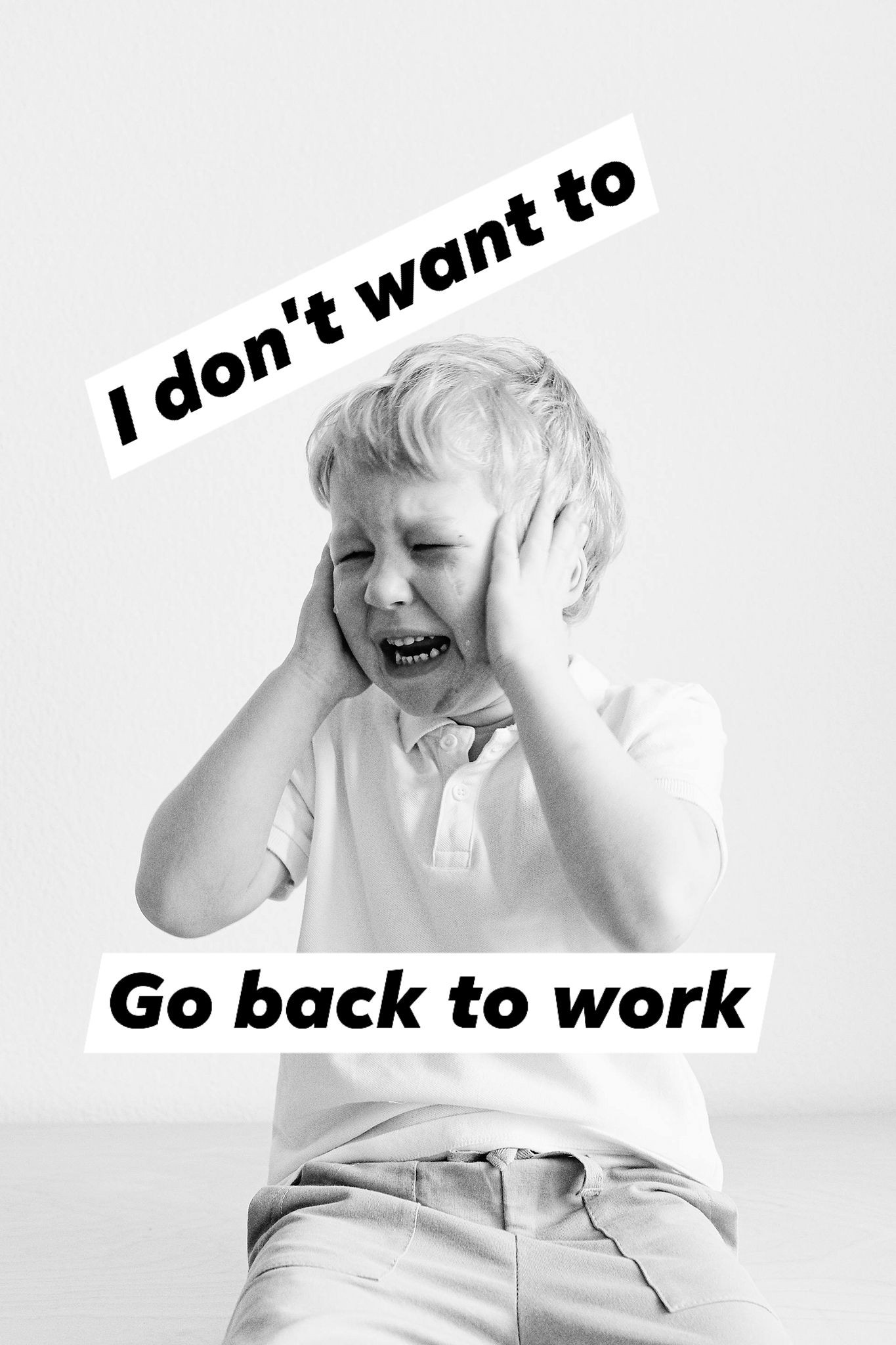
The Struggle is Real After a 3-Day Weekend
Ah, the 3-day weekend. That glorious little oasis in the calendar where time slows, responsibilities seem distant, and the possibilities for fun, rest, or adventure feel endless. Whether it’s a long holiday, a special event, or just a well-earned break, three days off work sounds like heaven. But then, as the last Sunday evening fades into Monday morning, reality comes crashing back in. Suddenly, the struggle is real.
1. The Illusion of Productivity on a Long Weekend
One of the biggest mental traps of a 3-day weekend is the illusion that you can accomplish everything. “I’ll clean the house, finish my work project, catch up on reading, spend quality time with friends and family… and also binge-watch that new series.”
Sounds doable, right? In theory. In practice, however, three days is never enough. By day two, you’re either exhausted from overcommitting or overwhelmed because nothing got done. This sets the stage for Monday anxiety: a to-do list twice as long as you left it, and a brain still in weekend mode.
2. Sleep Schedule Chaos
One of the silent saboteurs of post-weekend life is sleep disruption. On a long weekend, it’s tempting to stay up late, sleep in, or take long afternoon naps. This makes sense—you’re trying to maximize leisure time, after all. But when Monday morning comes, your circadian rhythm is in rebellion. Your body insists it’s still Sunday night, your eyes are heavy, and that cup of coffee somehow doesn’t help.
Sleep experts often recommend a “one-hour rule” – try not to deviate more than an hour from your usual wake-up and bedtime routines, even on long weekends. Easier said than done, but this could be the difference between a gentle Monday and a full-blown Monday meltdown.
3. The Social Hangover
It’s not just physical exhaustion; 3-day weekends often come packed with social obligations. You might have attended parties, family gatherings, or events that were fun in the moment but draining in hindsight. Social fatigue is real, and introverts beware: the longer the weekend, the more likely you are to hit your “social limit.”
4. The Mental Shift Problem
Transitioning from “weekend mode” to “work mode” isn’t just about getting out of bed—it’s about shifting your mindset. During a long weekend, your brain tends to let go of the rigid schedules, deadlines, and pressures of the workweek. You’re in relaxation mode, creativity mode, or adventure mode.
Returning to work feels like slamming into a wall. You’re asking your brain to pivot from leisure to productivity in a matter of hours. The mental shift is harder the longer the weekend feels—and a 3-day weekend feels like a mini-vacation.
5. Strategies for a Smoother Return
Continue reading…
