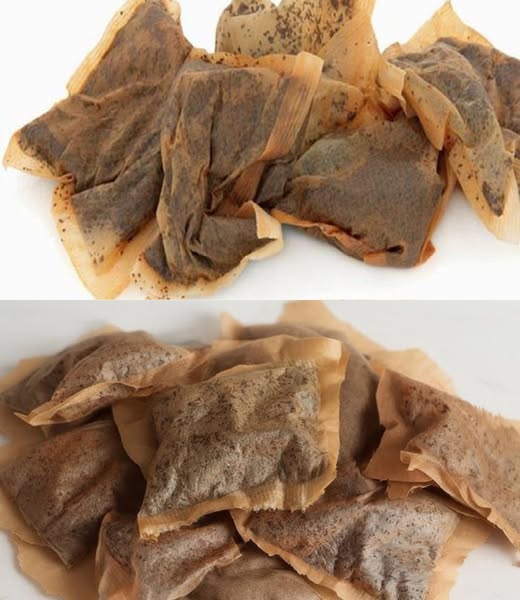
Teabags: 7 Household Remedies That Show Why You Should Never Throw Away a Used Teabag Again
Most of us make a cup of tea, enjoy it, and then toss the soggy teabag straight into the trash without a second thought. It feels natural—after all, the flavor is gone, right?
For generations, teabags have been quietly doing double (and triple) duty in homes around the world. From soothing tired eyes to deodorizing smelly spaces, used teabags are one of the most underrated household items hiding in plain sight. They’re affordable, eco-friendly, and surprisingly effective.
In an era where we’re all trying to reduce waste, save money, and lean into more natural solutions, the used teabag deserves a serious second look.
Below are seven practical, time-tested household remedies that prove why you should never throw away a used teabag again.
Why Used Teabags Are So Useful
Before diving into the remedies, it helps to understand why teabags work so well even after brewing.
Tea—especially black and green varieties—contains:
Tannins, which have astringent and antibacterial properties
Antioxidants, known for soothing and repairing skin
Mild acidity, helpful for cleaning and calming inflammation
Even after steeping, a used teabag still retains enough of these compounds to make it useful in everyday household situations.
Now let’s get into the good stuff.
1. Soothe Puffy Eyes and Dark Circles
One of the most popular and effective uses for used teabags is eye care.
Why It Works
Black and green tea both contain caffeine and tannins. These compounds help:
Constrict blood vessels, minimizing dark circles
Calm inflammation and irritation
How to Use
Brew two teabags as usual.
After using them, gently squeeze out excess liquid.
Place the teabags in the refrigerator for 15–30 minutes.
Continue reading…
