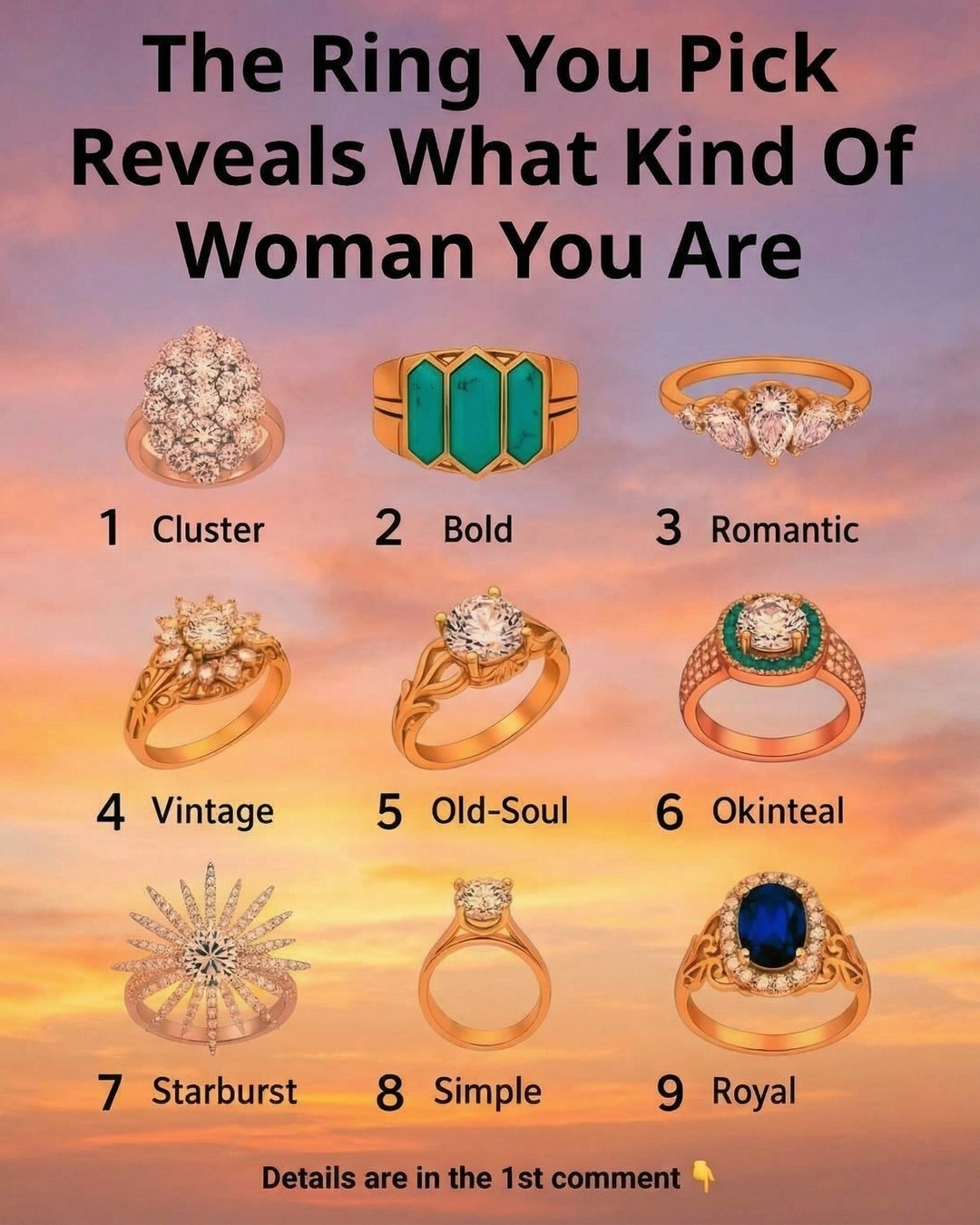
The Meaning Behind Different Ring Styles and Selections
Rings are more than just decorative accessories—they are symbols of commitment, identity, and personal style. From the classic engagement ring to bold statement pieces, each ring style carries a unique meaning that reflects the wearer’s personality, cultural background, and life milestones. Understanding the symbolism behind different ring styles can help you make thoughtful selections for yourself or as gifts for loved ones.
1. Rings as Symbols Throughout History
Rings have been used for thousands of years to signify relationships, power, and status. Ancient Egyptians were among the first to wear rings as symbols of eternity, crafting circular bands from reeds and metal. The circular shape of the ring, with no beginning or end, has long been associated with eternity, unity, and the cyclical nature of life.
In Roman times, rings indicated social class and marital status. Emperors, senators, and military leaders wore signet rings as marks of authority, while personal seals were engraved to authenticate documents.
In modern society, rings continue to serve as markers of commitment, achievement, and personal expression. The choice of style, material, and gemstone can all convey distinct meanings, which we will explore in detail.
2. Engagement Rings: A Promise of Forever
The engagement ring is one of the most recognized symbols of commitment in contemporary culture. Traditionally, an engagement ring signifies a promise of marriage and a lifelong partnership. However, engagement rings can convey more than just commitment—they can also express personality, heritage, and values.
2.1 Diamond Engagement Rings
Diamond rings are the most popular choice for engagements due to their association with strength, clarity, and eternity. The tradition of diamond engagement rings gained prominence in the 20th century thanks to marketing campaigns emphasizing diamonds as essential tokens of love.
Halo Setting: A central stone surrounded by smaller diamonds represents amplified beauty and radiance, symbolizing the depth of love.
Three-Stone Rings: Representing the past, present, and future, three-stone rings reflect a relationship’s journey over time.
2.2 Colored Gemstone Engagement Rings
While diamonds are traditional, colored gemstones like sapphires, rubies, and emeralds have unique meanings:
Sapphire: Wisdom, loyalty, and truth.
Ruby: Passion, courage, and vitality.
Emerald: Growth, harmony, and rebirth.
3. Wedding Bands: Unity and Commitment
Wedding bands are simpler in design than engagement rings but carry profound meaning. The circular shape represents an unending bond between partners.
3.1 Classic Gold Bands
Gold is the most traditional material for wedding rings, symbolizing wealth, prosperity, and timelessness. Yellow gold evokes warmth, while white gold reflects modernity and elegance.
3.2 Platinum and Silver Bands
Platinum is valued for its durability and rarity, representing strength and resilience in a relationship. Silver, though more accessible, signifies clarity and sincerity.
3.3 Custom and Engraved Bands
Engravings allow couples to personalize their wedding bands with names, dates, or meaningful quotes, transforming a simple band into a lifelong memory.
4. Promise Rings: Early Commitment
Promise rings have grown in popularity as symbols of pre-engagement commitment or personal vows. They are often exchanged to signify devotion, friendship, or self-commitment.
Purity Rings: Worn to symbolize personal values or moral commitments.
Friendship Rings: Given between friends to celebrate loyalty and connection.
Pre-Engagement Rings: Serve as a stepping stone toward engagement, representing a promise of future union.
The simplicity of promise rings often reflects sincerity and thoughtfulness rather than extravagance.
5. Statement Rings: Self-Expression and Style
Statement rings are bold accessories designed to express individuality. Unlike engagement or wedding rings, their meaning is often personal and aesthetic rather than symbolic of commitment.
5.1 Cocktail Rings
Large, eye-catching rings worn for social occasions symbolize confidence and sophistication. They can feature intricate designs and rare gemstones.
5.2 Signet Rings
Historically used to seal documents, signet rings today often carry family crests, initials, or personal emblems. They are symbols of identity, heritage, and authority.
5.3 Stackable Rings
Stackable rings allow wearers to mix and match metals, shapes, and gemstones, reflecting creativity and a playful sense of fashion. Each ring in the stack may represent a milestone, value, or memory.
6. Materials and Their Meanings
The material of a ring can convey deeper significance:
Gold: Wealth, warmth, prosperity.
Silver: Clarity, adaptability, sincerity.
Platinum: Strength, permanence, rarity.
Titanium: Modernity, resilience, masculinity.
Wood or Alternative Materials: Nature, sustainability, individuality.
Selecting a material can be as meaningful as choosing the design itself.
7. Gemstones and Their Symbolism
Gemstones are more than decorative—they carry cultural, spiritual, and emotional meanings:
Diamond: Strength, clarity, eternal love.
Ruby: Passion, courage, energy.
Sapphire: Loyalty, wisdom, truth.
Emerald: Growth, harmony, rebirth.
Amethyst: Peace, balance, protection.
Opal: Creativity, inspiration, uniqueness.
Continue reading…
