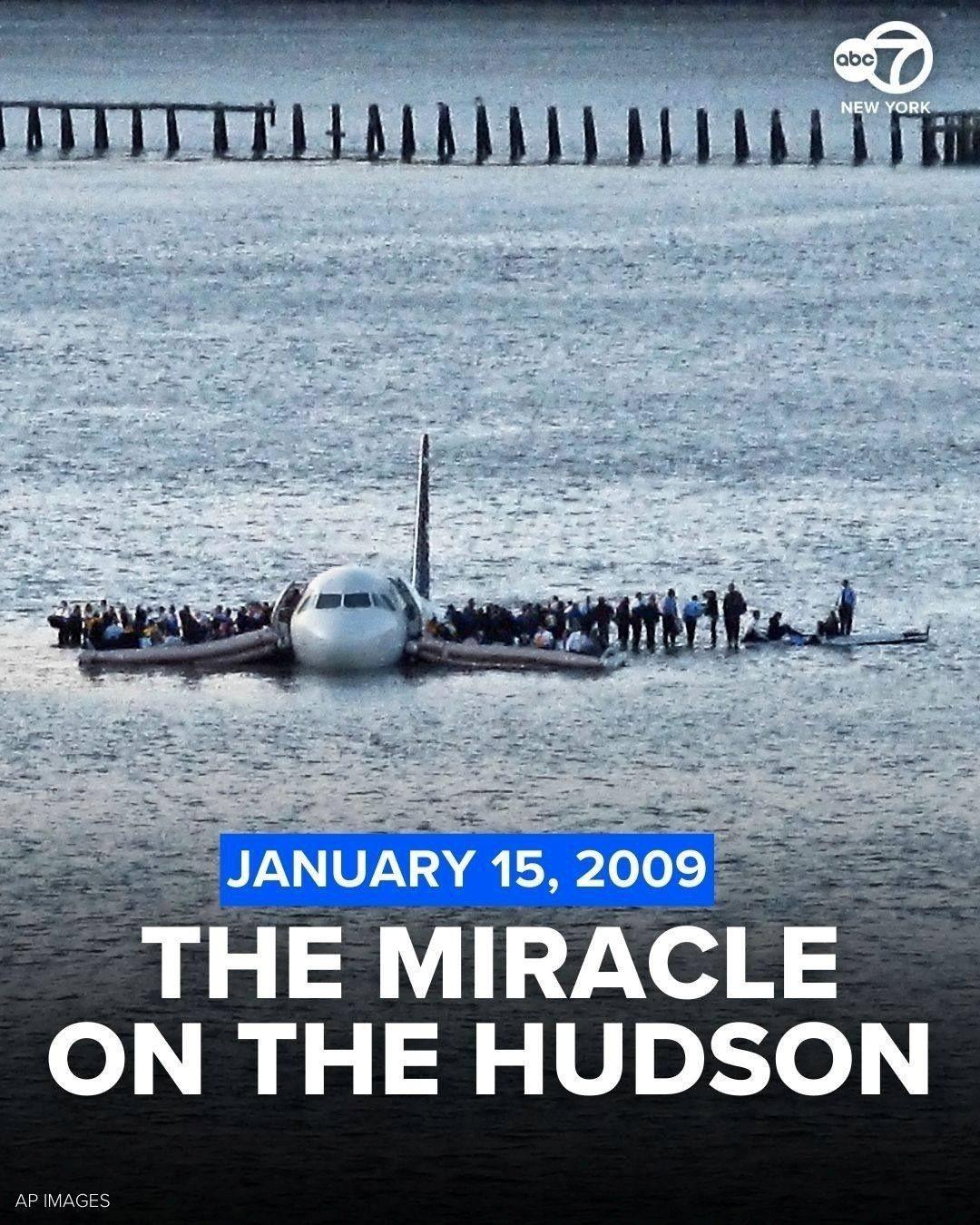
Captain Chesley “Sully” Sullenberger and the Miracle on the Hudson: A Heroic Landing That Changed Aviation History
On January 15, 2009, the aviation world—and indeed the entire globe—watched in awe as Captain Chesley “Sully” Sullenberger, a seasoned airline pilot, performed what would later be termed “The Miracle on the Hudson.” This extraordinary event, in which an Airbus A320 safely landed on New York’s Hudson River after a catastrophic dual-engine failure, demonstrated not only technical expertise but the pinnacle of human calm under extreme pressure. The incident has since become a case study in aviation safety, human decision-making, and the embodiment of professionalism in crisis.
The Fateful Flight: US Airways Flight 1549
US Airways Flight 1549 departed from LaGuardia Airport in New York City at approximately 3:26 PM local time. Onboard were 155 passengers and five crew members, embarking on what was supposed to be a routine flight to Charlotte, North Carolina. Within minutes of takeoff, the flight encountered an unforeseen obstacle—a flock of Canada geese struck the aircraft, causing immediate failure of both engines.
Captain Chesley Sullenberger: Background and Experience
Chesley Burnett Sullenberger III, known affectionately as “Sully,” was no ordinary pilot. Born on January 23, 1951, in Denison, Texas, Sullenberger had a distinguished career in aviation that included:
-
Serving as a U.S. Air Force fighter pilot.
-
Logging thousands of hours in commercial aviation with US Airways.
-
Earning a reputation for meticulous attention to detail and rigorous safety standards.
Sullenberger’s extensive training and experience in emergency situations allowed him to make rapid decisions under pressure. While many pilots might have panicked when both engines failed, his methodical approach—assessing options, calculating glide distance, and executing precise maneuvers—was pivotal in ensuring a safe outcome.
The Technical Challenge: Dual Engine Failure
Engine failure is one of the most critical emergencies a pilot can face. In Flight 1549’s case, both engines were completely disabled almost simultaneously due to a bird strike. The physics of gliding a commercial airliner without engine thrust requires precise calculations of airspeed, altitude, and descent angle.
Sullenberger executed a textbook glide: he maintained optimal airspeed to maximize the aircraft’s distance while searching for a viable landing site. The Hudson River, though narrow and surrounded by bridges, was chosen because it offered a long, relatively unobstructed stretch of water suitable for an emergency ditching.
Continue reading…
