: Causes, Natural Treatment Options, and How to Effectively Prevent It
Lyme disease is one of the most misunderstood and often underdiagnosed infectious illnesses in the world. While it is most commonly associated with tick bites and outdoor activities, its effects can extend far beyond the initial infection, sometimes causing long-term complications when not identified and treated early.
What Is Lyme Disease?
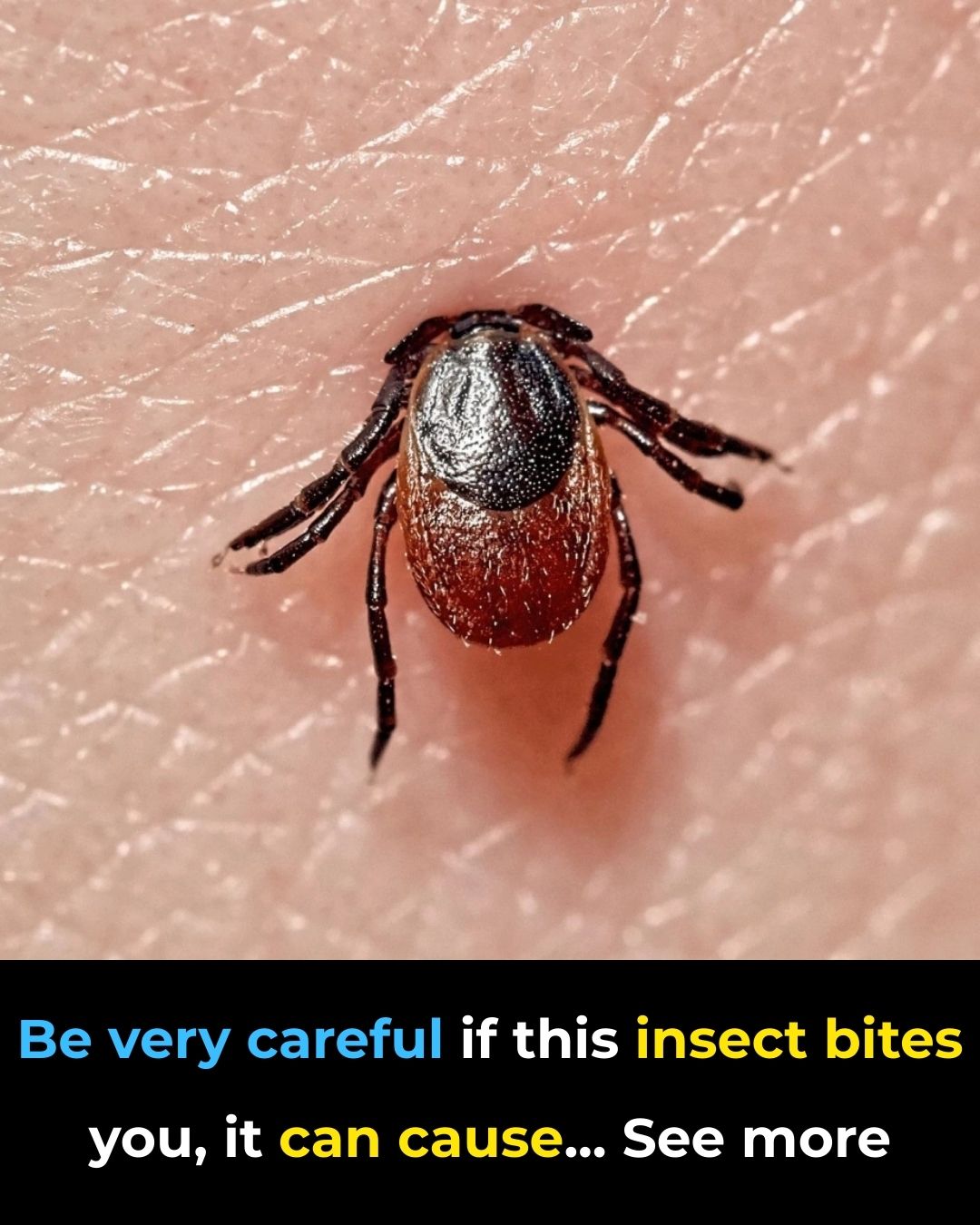
Lyme disease is a bacterial infection caused primarily by Borrelia burgdorferi and, less commonly, Borrelia mayonii. It is transmitted to humans through the bite of infected blacklegged ticks (also known as deer ticks).
First identified in the 1970s in Lyme, Connecticut, the disease has since spread across North America, Europe, and parts of Asia. While modern medicine recognizes Lyme disease as treatable—especially in its early stages—delayed diagnosis can result in complex and chronic symptoms.
Causes of Lyme Disease
1. The Role of Ticks
Lyme disease is not spread person-to-person. It is transmitted through the bite of infected ticks, primarily:
Ixodes scapularis (Eastern U.S.)
Ixodes pacificus (Western U.S.)
Ixodes ricinus (Europe)
2. How Infection Occurs
For transmission to occur:
A tick usually must be attached for 24–48 hours
The bacteria migrate from the tick’s gut into the bloodstream
This is why early tick detection and removal are critical.
3. Risk Factors
You may be at higher risk if you:
Spend time hiking, camping, or gardening
Have pets that go outdoors
Do not use tick prevention methods
Symptoms of Lyme Disease
Lyme disease symptoms vary by stage and individual immune response.
Early Stage (3–30 days after bite)
Bull’s-eye rash (erythema migrans)
Fever and chills
Fatigue
Headache
Muscle and joint aches
Swollen lymph nodes
⚠️ Note: Not everyone develops the characteristic rash.
Disseminated Stage (Weeks to Months Later)
Multiple rashes
Facial palsy (Bell’s palsy)
Migrating joint pain
Heart palpitations (Lyme carditis)
Dizziness or shortness of breath
Late or Chronic Symptoms (Months to Years)
Arthritis, especially in the knees
Neurological symptoms (memory loss, brain fog)
Chronic fatigue
Sleep disturbances
Mood changes
This stage is sometimes referred to as Post-Treatment Lyme Disease Syndrome (PTLDS).
How Lyme Disease Is Diagnosed
Diagnosis is based on:
History of tick exposure
Clinical symptoms
Blood tests (ELISA followed by Western blot)
However, testing can be inaccurate in early stages, which makes symptom awareness crucial.
Conventional Medical Treatment
The standard treatment for Lyme disease involves antibiotics, typically:
Doxycycline
Amoxicillin
Cefuroxime
Early treatment usually leads to full recovery. Advanced cases may require longer courses or intravenous antibiotics under medical supervision.
Important: Natural approaches should be viewed as supportive, not replacements for prescribed antibiotics, especially in early infection.
Natural and Supportive Treatment Approaches
While antibiotics address the infection, many people explore natural therapies to support immune function, reduce inflammation, and improve overall well-being—particularly during recovery.
1. Immune System Support
A strong immune system plays a key role in healing.
Key nutrients:
Vitamin C – antioxidant and immune booster
Vitamin D – supports immune regulation
Zinc – assists in immune response
Selenium – reduces oxidative stress
Foods to prioritize:
Citrus fruits
Leafy greens
Garlic and onions
Berries
Nuts and seeds
2. Anti-Inflammatory Diet
Inflammation is a major contributor to Lyme symptoms.
Recommended dietary principles:
Emphasize whole, unprocessed foods
Reduce sugar and refined carbohydrates
Avoid trans fats and excessive alcohol
Anti-inflammatory foods include:
Fatty fish (salmon, sardines)
Olive oil
Turmeric and ginger
Green tea
Colorful vegetables
3. Herbal Support (Evidence-Informed Use)
Some herbs have antimicrobial or immune-modulating properties. Always consult a healthcare professional before use.
Commonly discussed herbs include:
Japanese knotweed – anti-inflammatory, supports circulation
Cat’s claw – immune modulation
Andrographis – antimicrobial properties
Garlic – broad-spectrum antimicrobial effects
These herbs are often used in integrative protocols but should never replace medical treatment.
4. Gut Health Restoration
Antibiotic therapy can disrupt gut flora, leading to digestive issues and immune imbalance.
Support gut health with:
Probiotic-rich foods (yogurt, kefir, sauerkraut)
Prebiotic fiber (oats, bananas, onions)
High-quality probiotic supplements (if advised)
5. Detoxification Support
The body naturally detoxifies through the liver, kidneys, and lymphatic system. Gentle support may help reduce symptom burden.
Natural support strategies:
Adequate hydration
Fiber-rich diet
Light exercise (as tolerated)
Sauna or Epsom salt baths
Dry brushing to support lymphatic flow
6. Stress Reduction and Rest
Chronic stress weakens immune response and worsens inflammation.
Helpful practices include:
Mindfulness meditation
Gentle yoga or stretching
Breathing exercises
Adequate sleep (7–9 hours)
Preventing Lyme Disease Effectively
Prevention is the most powerful strategy against Lyme disease.
1. Personal Protection Outdoors
Wear long sleeves and pants in wooded areas
Tuck pants into socks
Choose light-colored clothing to spot ticks
Walk in the center of trails
2. Tick Repellents
Effective options include:
DEET-based repellents
Picaridin
Oil of lemon eucalyptus (plant-based option)
Apply according to instructions, especially on exposed skin.
3. Tick Checks and Removal
Perform full-body tick checks after outdoor activity
Shower within two hours of exposure
Check pets and gear
Proper removal:
Use fine-tipped tweezers
Pull straight out, steady and slow
Clean the area with soap and alcohol
4. Yard and Home Protection
Keep grass short
Remove leaf litter
Create gravel or wood-chip barriers
Discourage deer with fencing or landscaping choices
5. Pet Protection
Pets can bring ticks indoors.
Use veterinarian-recommended tick prevention
Continue reading…
