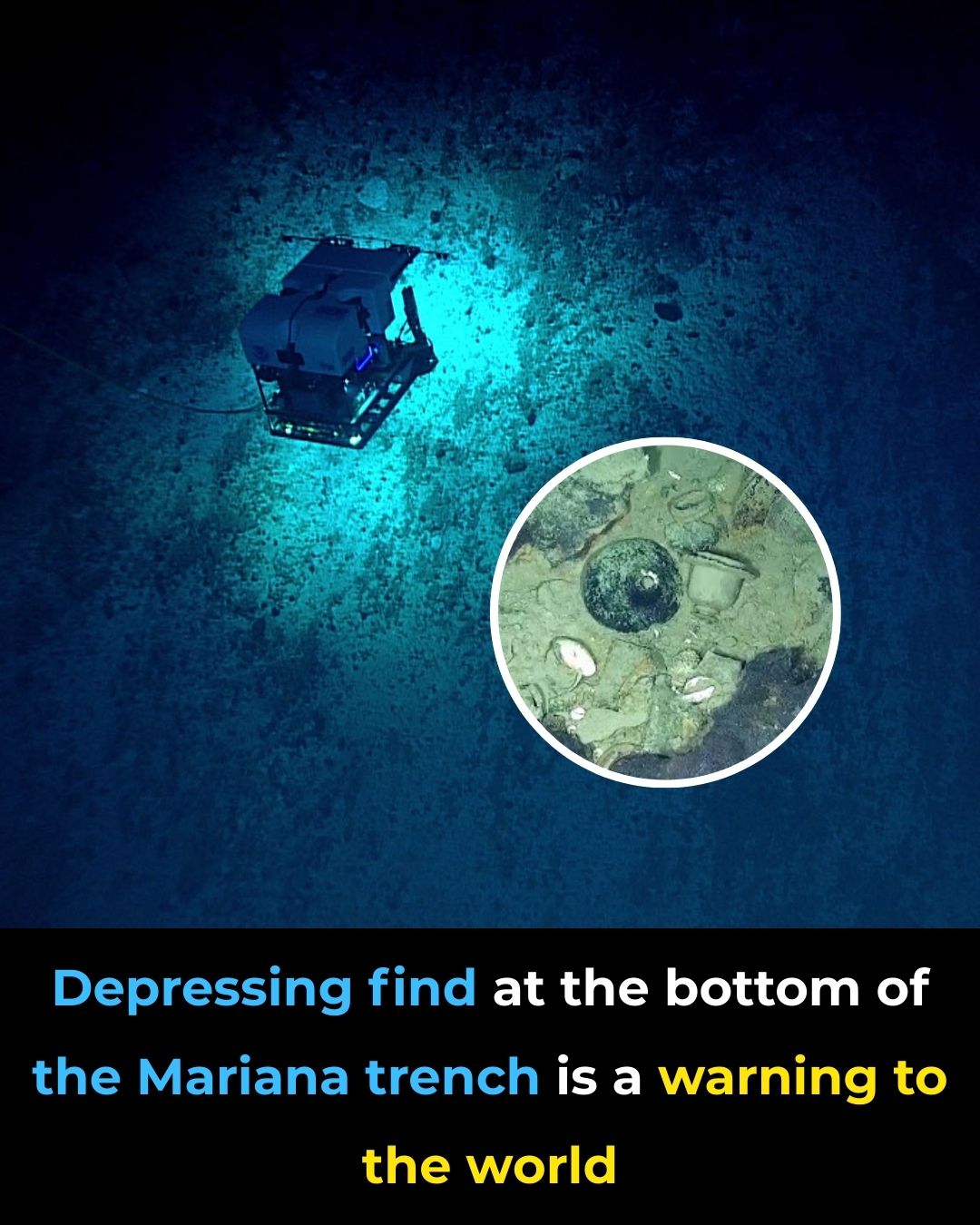
How the Mariana Trench Reveals the True Scale of Human Impact on Earth
An environmental analysis on the shocking discoveries at the bottom of the world’s oceans — and why they matter for the future of life on Earth
For much of modern history, humanity viewed the deep ocean—especially the Mariana Trench, the deepest part of the world’s oceans—as virtually untouched by people. Scientists, explorers, and the public imagined a realm so remote and inaccessible that it would be one of the last refuges of unspoiled nature. That idea has now been shattered.
The Mariana Trench descends over 11,000 meters (about 36,000 feet) below sea level, deeper than Mount Everest is tall. Its lowest point, known as Challenger Deep, was first reached in 1960 and later revisited with modern submersibles. It has long been thought of as a geological wonder rather than a place of ecological significance.
Yet decades of research have revealed that even this remote abyss is profoundly affected by human activities. What scientists have found at the bottom of the Trench is not just curious — it’s deeply depressing and deeply alarming.
The Evidence: Plastic and Pollution Have Reached the Deepest Places on Earth
Plastic Bags and Trash at the Bottom
In major ocean explorations, researchers have documented plastic debris at the deepest points of the ocean—items such as single‑use plastic bags, bottles, and packaging. These were found not because someone purposely placed them there, but because they sank, transported by currents and biological processes.
One of the most striking images to emerge from these expeditions was of a plastic bag at the bottom of Challenger Deep, where sunlight never penetrates. The debris was identified during an analysis of deep‑sea imagery collected over thousands of dives. This find was widely reported as symbolic: even the last supposedly pristine frontier on the planet is not immune to human pollution.
Microplastics Throughout the Trench Ecosystem
Even more concerning than large pieces of trash is the pervasive presence of microplastics — tiny fragments of plastic less than 5 millimeters in size. Scientists have found microplastics in significant quantities throughout the water and sediment at extreme depths.
These findings underline a startling conclusion: plastic pollution doesn’t just float on the surface—it sinks, spreads, and accumulates in environments that humans have never visited.
Meal on the Deep Sea Floor: Plastics Inside Deep‑Sea Creatures
Perhaps the most disturbing part of the story is not just that plastic debris is present in deep oceans, but that animals there are eating it. Recent research shows microscopic fibers and plastic particles inside the stomachs of deep‑sea creatures living near the bottom of the trench.
In a world‑first study, scientists collected amphipods—tiny shrimp‑like scavengers—from the Mariana Trench and other deep‑sea trenches. They found that every single amphipod sampled from the Mariana Trench had ingested synthetic fibers or plastics, including PVC, Nylon, and other industrial materials.
These organisms rely on ‘marine snow’ — detritus of organic matter raining down from surface waters — for their food. Unfortunately, plastics, broken‑down food waste, and other contaminants literally become part of that food supply. The fact that microscopic plastics are now part of the diet of deep‑sea animals reveals just how inescapable this pollution has become.
Persistent Organic Pollutants and Other Chemical Contamination
The plastics themselves are only one part of the problem. Many plastics absorb and carry toxic chemicals such as PCBs (polychlorinated biphenyls), DDT derivatives, and other persistent organic pollutants (POPs). These chemicals don’t break down easily and can travel long distances through water masses.
Why These Findings Matter: The Ocean Is a Global System
The Deep Ocean Is Part of the Earth’s Life Support System
To understand why these findings are such a dire warning, it’s important to recognize that the ocean is not a collection of isolated parts—it’s a global system that supports life on the planet.
The ocean:
produces a large portion of Earth’s oxygen,
absorbs vast amounts of carbon dioxide from the atmosphere,
regulates climate and weather patterns,
supports global food webs from plankton to whales.
Even remote deep‑sea life contributes to nutrient cycling and carbon storage processes that sustain broader ocean health. When these systems become contaminated, there are ripple effects everywhere.
Pollution in the Deep Sea = Pollution in the Entire Planetary System
Finding plastic and toxic chemicals in the Mariana Trench isn’t just a sad curiosity; it means that no environment on Earth is untouched by human influence. What this implies is stark:
There is no “safe haven” left for nature — even the deepest, darkest environments are impacted.
Human pollution has become globalized in scope and scale.
Plastic and chemical pollutants enter the food chain, eventually affecting species we rely on (including humans).
Deep‑sea organisms are ingesting foreign material that may affect their health, reproduction, and ecological roles.
These discoveries are not anomalies—they are symptoms of a planetary crisis of pollution, consumption, and waste mismanagement.
The Broader Impacts: From Extinction Risks to Global Policy Failure
Deep‑Sea Ecosystems Are More Vulnerable Than We Thought
Deep‑sea environments evolve over millions of years with incredibly slow biological processes. Many organisms in the hadal zone are highly specialized and adapted to extreme pressure and cold. The introduction of artificial materials like plastic and toxic chemicals may disrupt those delicate ecosystems in ways scientists are only beginning to understand.
Because these systems are poorly studied and difficult to access, scientists worry that impacts could be occurring long before they are fully documented.
Food Chain Contamination: Deep to Surface, Sea to Human Plate
The fact that plastics and toxins exist at depth and in deep‑sea organisms suggests these pollutants can travel throughout ocean food webs. Microplastics have been found in:
surface‑dwelling fish,
deep‑sea scavengers,
commercially important seafood species,
even seafood products consumed by humans.
This raises serious food safety and health concerns because plastics and absorbed chemicals can enter our bodies through eating contaminated seafood.
Evidence of a Systemic Environmental Failure
The presence of pollution at these extremes of the planet marks a systemic failure in human environmental stewardship. It underscores:
the inadequacy of current waste management systems,
Continue reading…
