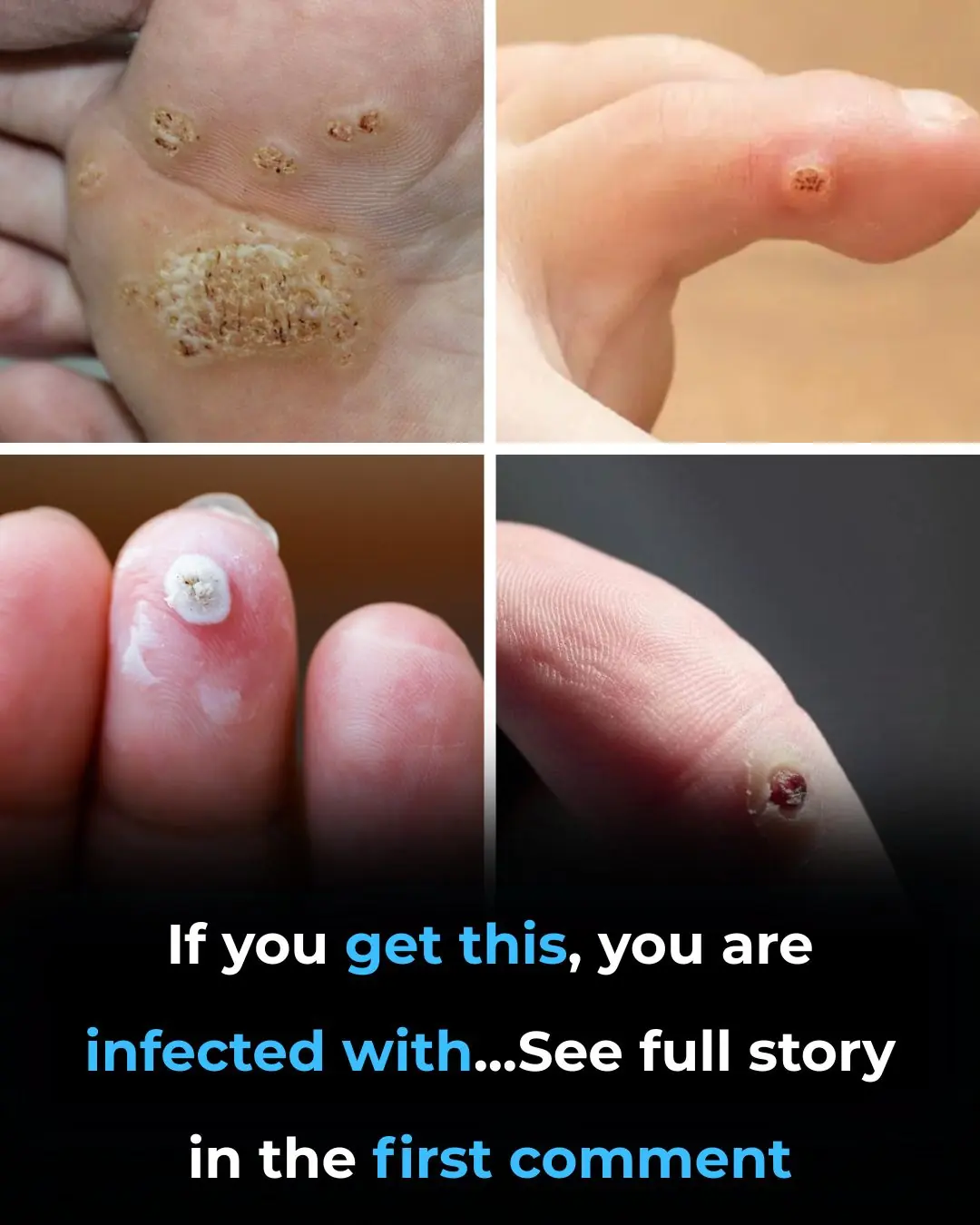
Signs, Symptoms, Home Remedies, and Treatment
Warts are common, contagious skin growths that affect people of all ages. While they’re usually harmless, warts can be uncomfortable, cosmetically frustrating, and sometimes painful—especially when they appear on sensitive areas like the feet, face, or hands. Understanding the different types of warts, how to recognize them, and how they can be treated is essential for proper care and prevention.
What Are Warts?
Warts are benign (non-cancerous) skin growths caused by infection with the human papillomavirus (HPV). There are more than 100 strains of HPV, and different strains cause different types of warts.
HPV enters the body through tiny cuts or breaks in the skin and causes the outer layer of skin to grow rapidly, forming a wart. Warts are contagious and can spread through:
Direct skin-to-skin contact
Touching contaminated surfaces (towels, floors, razors)
Scratching or picking at existing warts
Although warts often go away on their own, many people seek treatment for comfort, appearance, or to prevent spreading.
Common Risk Factors for Warts
Have a weakened immune system
Are a child or teenager
Walk barefoot in public areas (pools, locker rooms)
Have frequent skin injuries
Bite your nails or pick at hangnails
1. Common Warts (Verruca Vulgaris)
Overview
Common warts are the most frequently seen type and typically appear on the hands and fingers.
Rough, raised bumps with an uneven surface
Gray, brown, or flesh-colored
Often contain tiny black dots (clotted blood vessels)
Usually painless, but may crack or bleed
Common Locations
Fingers
Knuckles
Hands
Around nails
Home Remedies
While not scientifically guaranteed, some people report improvement with:
Salicylic acid (OTC) – Softens the wart and removes layers gradually
Duct tape therapy – Covering the wart for several days, then filing it
Apple cider vinegar – Applied cautiously with a cotton ball
Garlic extract – Known for antiviral properties
⚠️ Avoid using home remedies on broken skin or sensitive areas.
Medical Treatment
Cryotherapy (freezing with liquid nitrogen)
Prescription-strength salicylic acid
Electrosurgery or laser treatment
Immunotherapy for stubborn cases
2. Plantar Warts
Overview
Plantar warts grow on the soles of the feet and can be particularly painful due to pressure from walking.
Signs and Symptoms
Hard, grainy growths on the bottom of the foot
Pain or tenderness when walking or standing
Thick callus over the wart
Small black dots inside the wart
Common Locations
Heels
Balls of the feet
Why They Hurt
Plantar warts grow inward, pressed by body weight, which causes discomfort.
Home Remedies
Soaking feet in warm water, then filing gently
Salicylic acid patches or gels
Tea tree oil (diluted)
Epsom salt foot soaks
Medical Treatment
Cryotherapy
Cantharidin (blistering agent)
Laser therapy
Minor surgical removal
3. Flat Warts (Verruca Plana)
Overview
Flat warts are smaller and smoother than other types and often appear in clusters.
Signs and Symptoms
Small, flat-topped bumps
Yellowish, pink, or flesh-colored
Smooth surface
Spread easily through shaving
Common Locations
Face
Forehead
Neck
Arms and legs
Home Remedies
Topical retinoids (prescription or mild OTC forms)
Aloe vera gel for soothing
Green tea extract (contains antioxidants)
⚠️ Be cautious using home remedies on the face.
Medical Treatment
Chemical peels (glycolic or salicylic acid)
Topical retinoids
Cryotherapy (used carefully)
Laser therapy
4. Filiform Warts
Overview
Filiform warts are long, narrow, finger-like projections that grow quickly.
Signs and Symptoms
Thin, thread-like appearance
Flesh-colored or slightly darker
Typically painless but noticeable
Common Locations
Eyelids
Lips
Nose
Neck
Home Remedies
Home remedies are not recommended due to sensitive locations.
Medical Treatment
Cryotherapy
Surgical removal
Electrocautery
Laser treatment
👩⚕️ These warts should always be evaluated by a healthcare professional.
5. Periungual Warts
Overview
Periungual warts grow around or under the nails and can be difficult to treat.
Signs and Symptoms
Thick, rough growths around nails
Nail distortion or damage
Pain or tenderness
Cracking skin
Common Causes
Nail biting
Cuticle picking
Frequent hand exposure to moisture
Home Remedies
Salicylic acid (used carefully)
Keeping nails trimmed and dry
Avoiding biting or picking
Medical Treatment
Cryotherapy (may require multiple sessions)
Laser therapy
Topical immunotherapy
6. Genital Warts (Condyloma Acuminata)
Overview
Genital warts are a sexually transmitted infection (STI) caused by specific HPV strains.
Signs and Symptoms
Small, flesh-colored or gray bumps
Clustered or cauliflower-like appearance
Itching or discomfort
Bleeding during intercourse
Common Locations
Vulva
Penis
Anus
Cervix
Home Remedies
❌ No home remedies are recommended for genital warts.
Medical Treatment
Prescription topical medications
Cryotherapy
Surgical removal
Laser treatment
⚠️ Genital warts require professional medical care.
When to See a Doctor
Seek medical advice if:
The wart is painful or bleeding
It changes color or shape
It spreads rapidly
Home treatments fail after several weeks
Continue reading…
