12 Weird Diabetes Skin Problems You Need to Know
Diabetes is often associated with blood sugar levels, diet, and insulin management, but many people don’t realize it can also have a significant impact on the skin. In fact, the skin is often called a “window” to underlying health issues, and for people with diabetes, skin complications can sometimes be the first sign of uncontrolled blood sugar. While some skin problems are common, like dryness or slow-healing wounds, there are also weird and lesser-known skin conditions that people with diabetes may experience. Recognizing these early can prevent serious complications and improve overall quality of life.
1. Diabetic Dermopathy (“Shin Spots”)
What it is:
Diabetic dermopathy is one of the most common skin conditions in people with diabetes, often appearing as light brown or reddish, scaly patches on the front of the lower legs. These spots are usually harmless and painless, but they can be a sign of long-term diabetes.
Causes:
High blood sugar damages small blood vessels, reducing blood flow to the skin and leading to these characteristic spots.
Symptoms:
Oval or circular patches on shins
Scaly texture
Usually painless and not itchy
Treatment:
Keeping blood sugar under control helps prevent new spots
Prevention:
Monitor blood sugar levels regularly
Moisturize the skin to prevent dryness and cracking
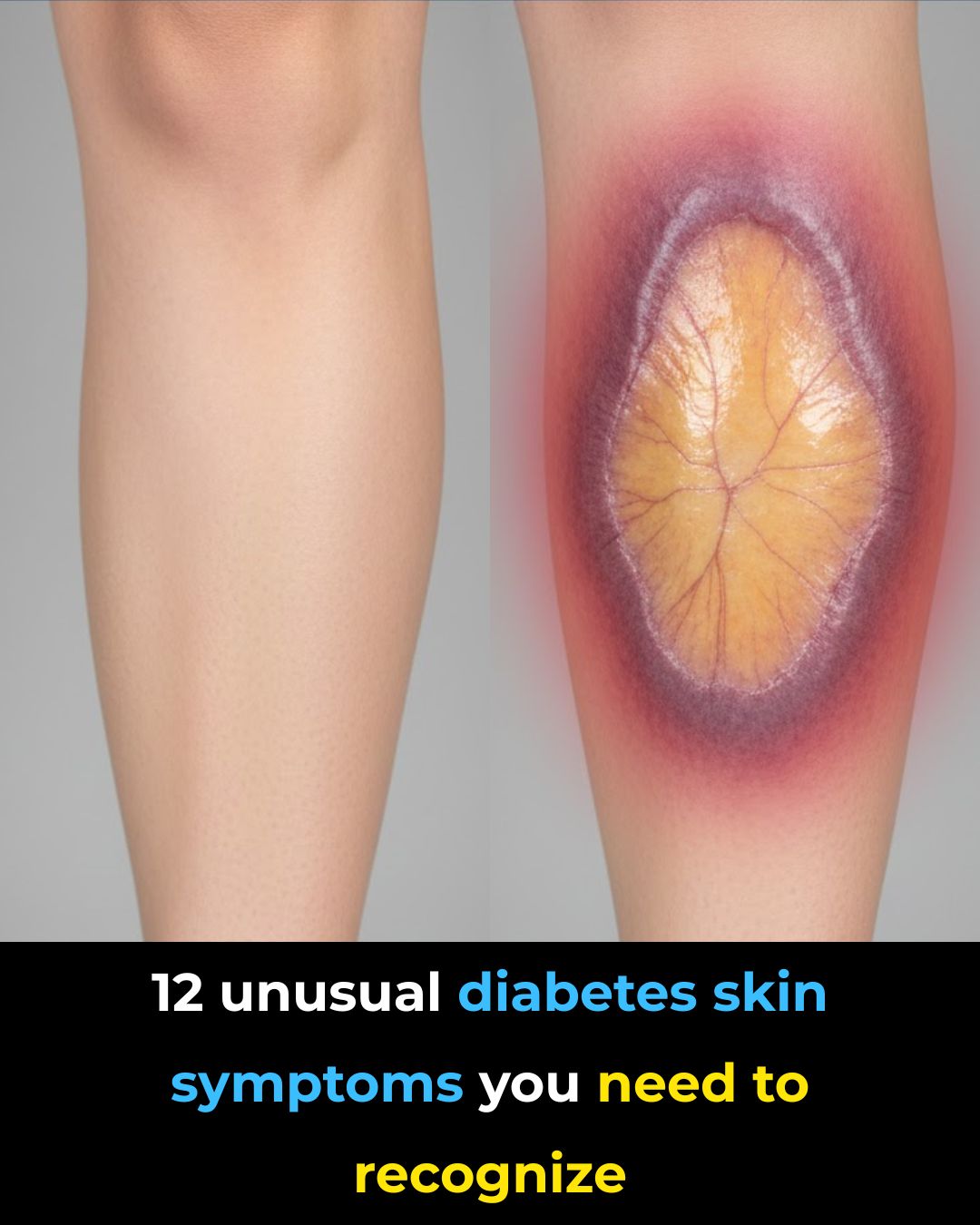
2. Necrobiosis Lipoidica Diabeticorum (NLD)
What it is:
NLD is a rare skin condition that can occur in people with diabetes. It typically appears as yellow, waxy patches on the skin, often on the lower legs.
Causes:
Possibly related to autoimmune factors
Symptoms:
Yellow or reddish-brown patches
Thin, shiny skin over affected areas
Slow healing sores or ulcers
Treatment:
Topical corticosteroids to reduce inflammation
Wound care for any ulcerated areas
Blood sugar management
Prevention:
Maintain stable blood sugar levels
Avoid trauma to the affected areas
3. Acanthosis Nigricans
What it is:
Acanthosis nigricans appears as dark, velvety patches of skin, often in body folds like the neck, armpits, or groin.
Causes:
Insulin resistance (common in type 2 diabetes)
Obesity and hormonal imbalances
Symptoms:
Darkened, thickened skin
Often itchy or mildly irritated
Treatment:
Address underlying insulin resistance through diet, exercise, and medications
Topical creams to reduce skin discoloration
Prevention:
Maintain a healthy weight
Monitor blood sugar and insulin levels
4. Diabetic Blisters (Bullosis Diabeticorum)
What it is:
Diabetic blisters are rare and occur spontaneously on hands, feet, legs, or forearms, without injury.
Causes:
Poor circulation and neuropathy
Unclear exact mechanism, but linked to high blood sugar
Symptoms:
Painless, fluid-filled blisters
Usually heal in 2–6 weeks without scarring
Treatment:
Keep blisters clean and protected
Avoid popping them to prevent infection
Manage blood sugar
Prevention:
Keep blood sugar levels under control
Avoid trauma to vulnerable skin areas
5. Digital Sclerosis
What it is:
Digital sclerosis is hard, tight skin on the fingers, hands, or toes.
Causes:
Chronic high blood sugar leads to glycation of collagen
Thickening of skin and limited joint mobility
Symptoms:
Tight, waxy skin on fingers
Stiff joints or difficulty moving fingers
Sometimes painless
Treatment:
Physical therapy to maintain joint mobility
Moisturizers and topical treatments
Blood sugar control
Prevention:
Regular hand exercises
Strict diabetes management
6. Eruptive Xanthomatosis
What it is:
Eruptive xanthomatosis is a rare skin condition characterized by yellow, pea-sized bumps surrounded by red halos.
Causes:
High triglyceride levels in the blood due to uncontrolled diabetes
Often seen in type 1 diabetes
Symptoms:
Itchy, red-yellow bumps on elbows, knees, buttocks
May appear suddenly
Treatment:
Reduce triglyceride levels through diet, medication, and exercise
Manage blood sugar
Topical creams for itching
Prevention:
Control diabetes and lipid levels
Healthy diet low in fats and sugars
7. Necrotizing Fasciitis (Flesh-Eating Disease)
What it is:
While rare, people with diabetes are more susceptible to serious bacterial infections that attack skin and soft tissue.
Causes:
Poor circulation and immune response in diabetics
Open wounds or injuries provide entry for bacteria
Symptoms:
Rapidly spreading redness and swelling
Severe pain disproportionate to injury
Fever, blisters, and skin discoloration
Treatment:
Emergency medical care
IV antibiotics and sometimes surgery
Blood sugar stabilization
Prevention:
Careful wound care
Avoid walking barefoot or exposing wounds to dirt
8. Fungal Infections
What it is:
People with diabetes are prone to yeast infections and fungal skin infections due to high blood sugar and compromised immunity.
Causes:
Elevated glucose provides food for yeast
Warm, moist environments in skin folds
Symptoms:
Red, itchy patches with white discharge or flaking
Common in armpits, groin, under breasts, or between toes
Treatment:
Antifungal creams or oral medications
Keep skin dry and clean
Blood sugar management
Prevention:
Regularly dry skin folds
Wear breathable clothing
Control blood sugar levels
9. Diabetic Foot Ulcers
What it is:
Diabetic foot ulcers are open sores or wounds on the feet that heal slowly. They are a serious complication of diabetes.
Causes:
Peripheral neuropathy reduces pain perception
Poor circulation slows healing
Minor trauma can lead to chronic wounds
Symptoms:
Open sores, sometimes with discharge
Pain or numbness
Surrounding redness or swelling
Treatment:
Professional wound care and dressings
Antibiotics if infected
Blood sugar control and pressure offloading
Prevention:
Daily foot inspections
Proper footwear
Prompt treatment of blisters and minor injuries
10. Granuloma Annulare
What it is:
Granuloma annulare is a rare condition that causes ring-shaped bumps on the skin.
Causes:
Exact cause unknown
More common in people with diabetes
Symptoms:
Smooth, firm bumps forming rings
Usually painless, sometimes mildly itchy
Common on hands, feet, elbows
Treatment:
Often resolves on its own
Topical steroids or cryotherapy if needed
Blood sugar management
Prevention:
Maintain good blood sugar control
Avoid skin trauma
11. Skin Tags
What it is:
Skin tags are small, soft, flesh-colored growths that often appear in skin folds.
Causes:
Insulin resistance
Friction in skin folds
More common in type 2 diabetes
Symptoms:
Soft, small protrusions
Usually painless
Can be cosmetically bothersome
Treatment:
Removal by a dermatologist (cryotherapy, excision)
Continue reading…
